
City Walls of Terranuova Bracciolini

Photos


At a glance
- Region
- Tuscany
- Province
- Arezzo (AR)
- Town
- Terranuova Bracciolini
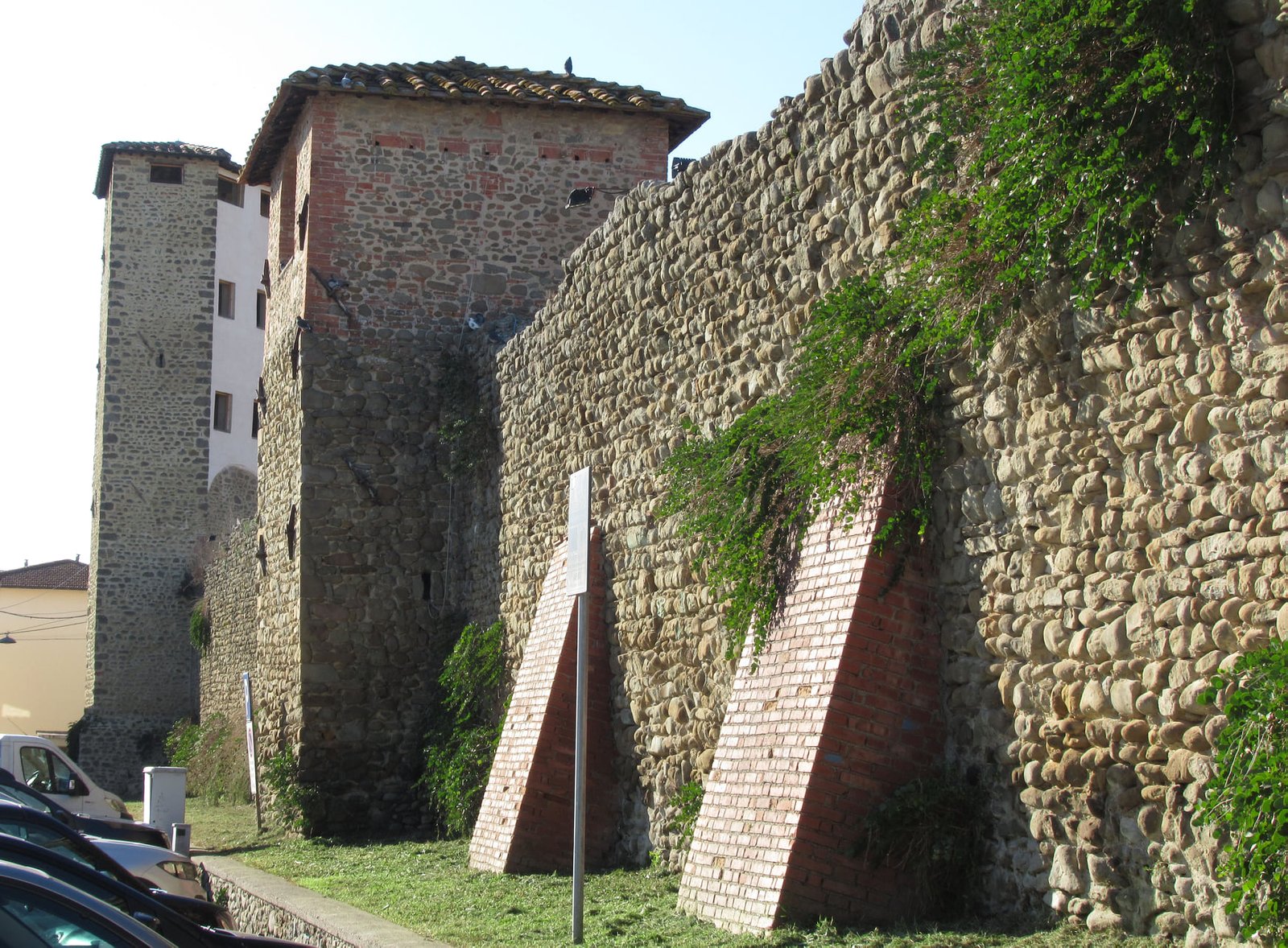
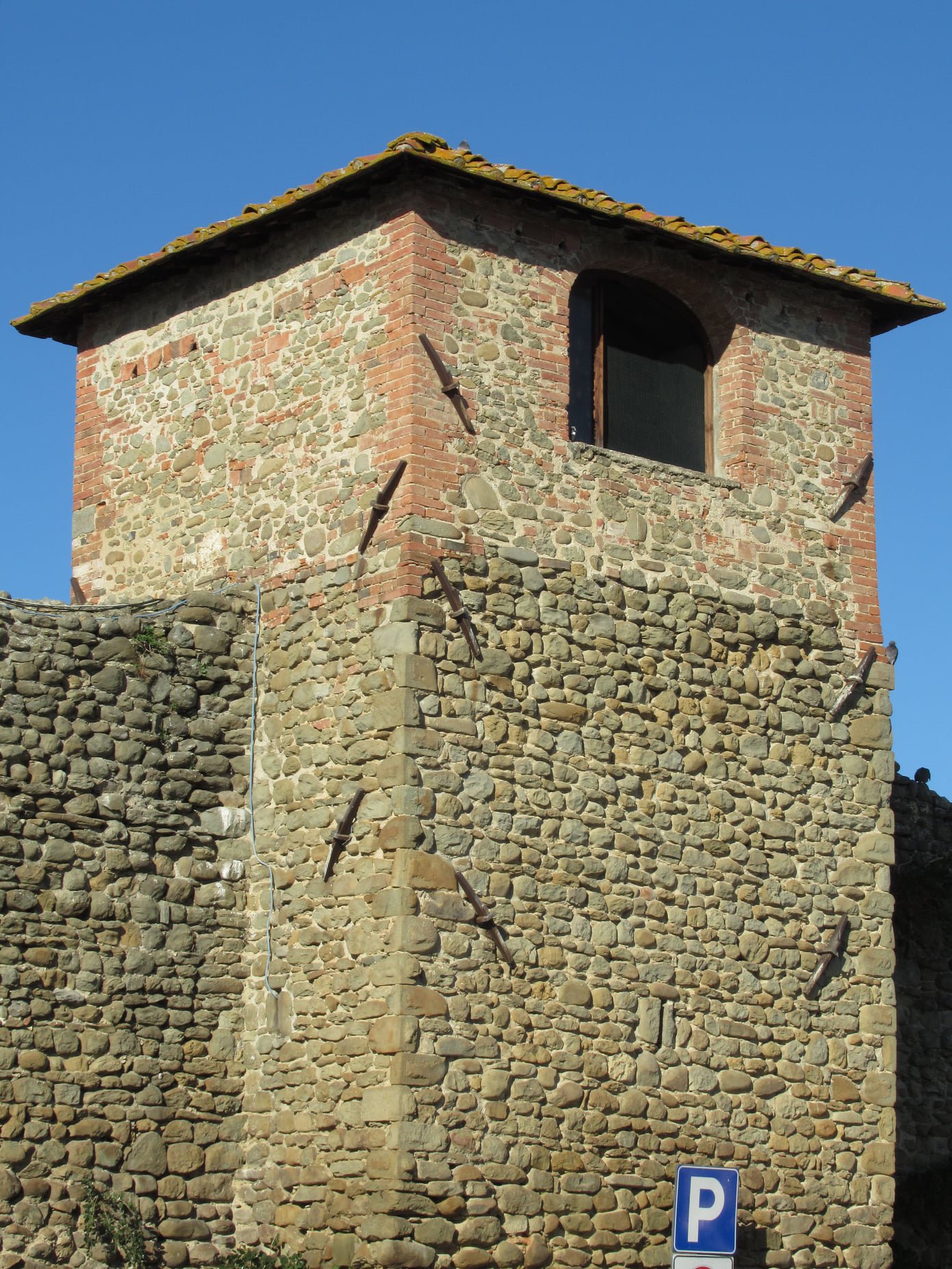
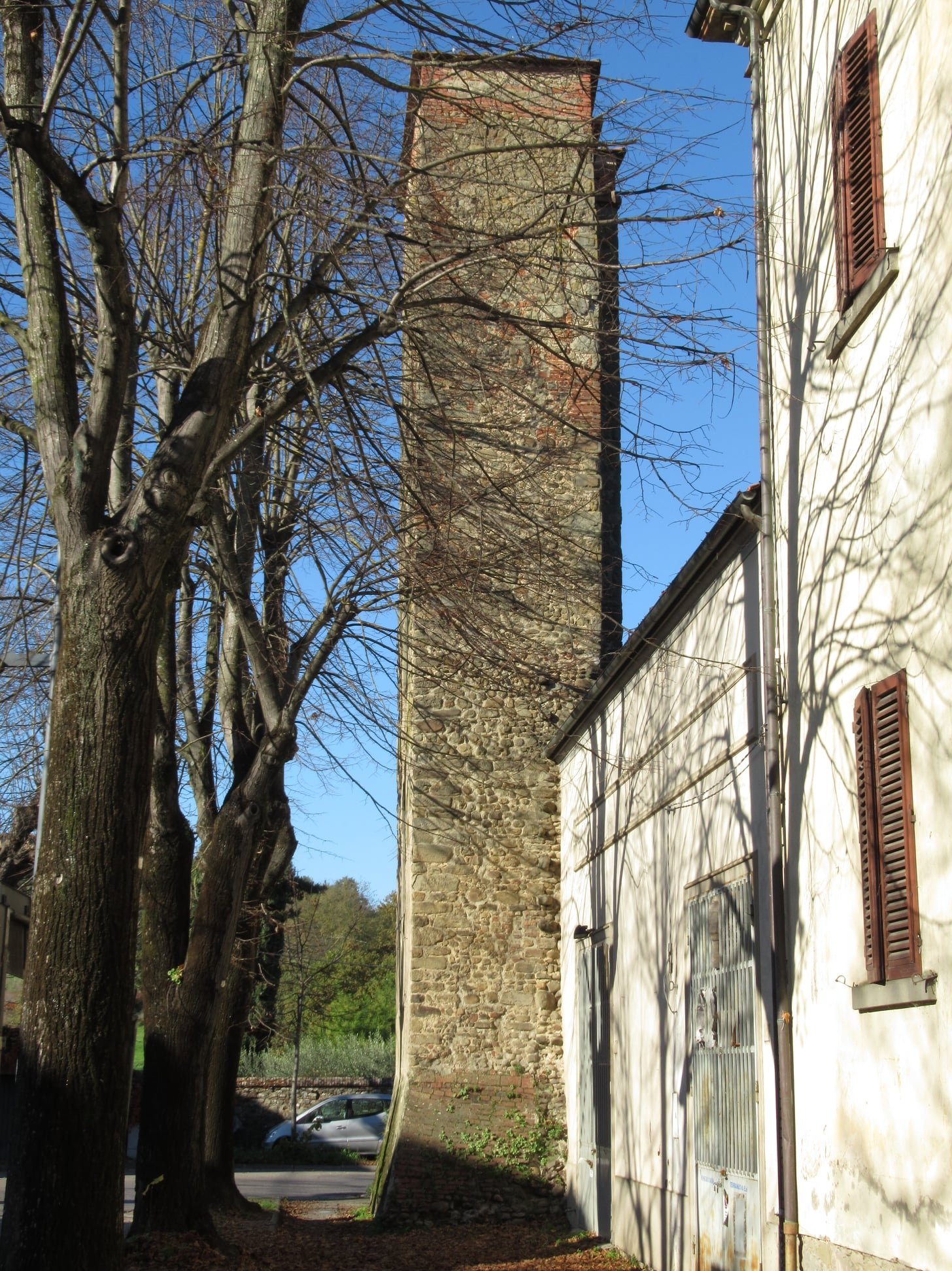
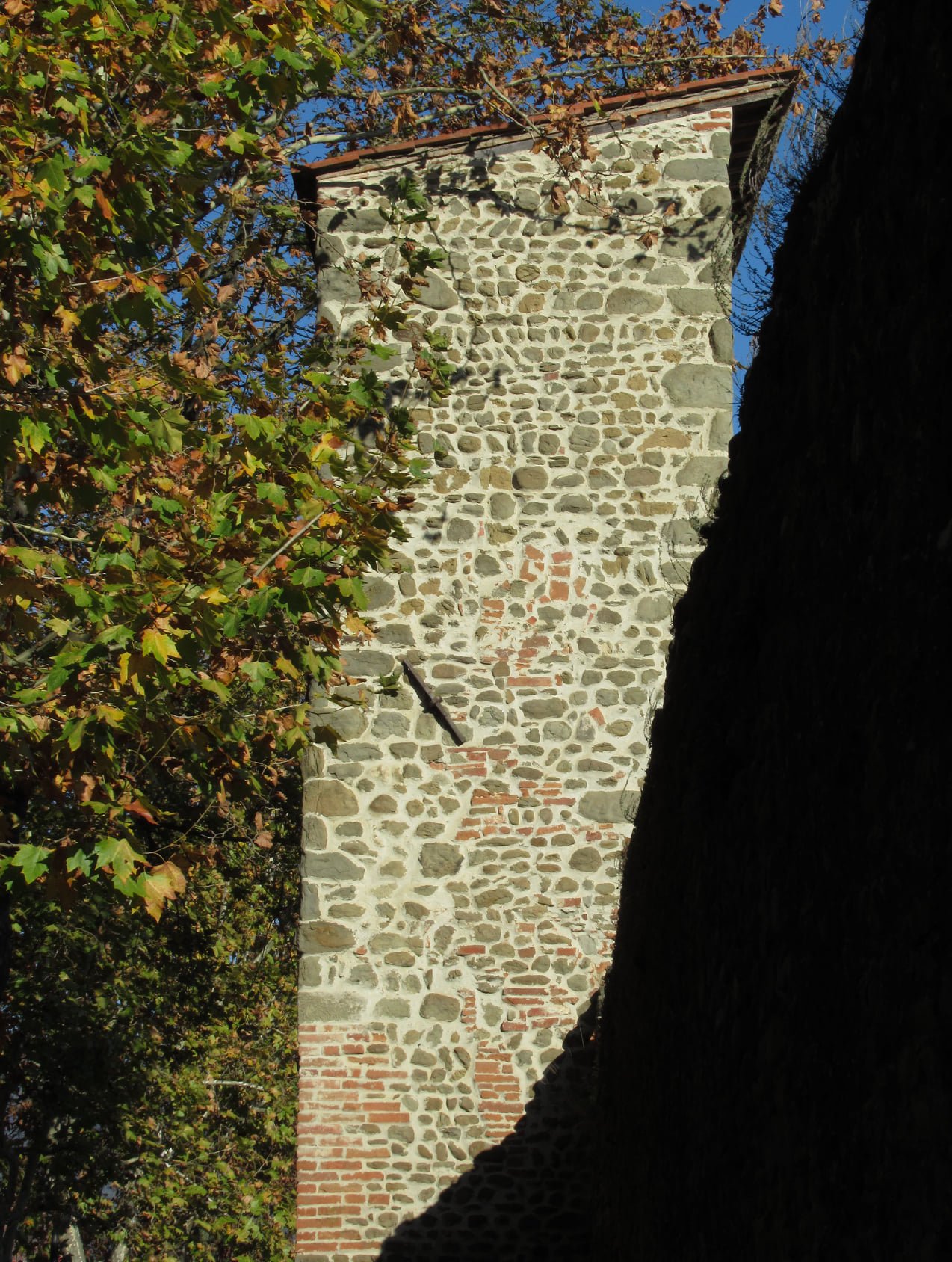
The town walls of Terranuova Bracciolini, in the province of Arezzo (Tuscany), are what remains of the defensive system of one of the fortified towns founded by Florence in the Valdarno. The town, founded in 1337 under the name Castel Santa Maria, still preserves stretches of its medieval walls and some perimeter towers.
History of the town walls of Terranuova Bracciolini
A Florentine «terra murata»
Terranuova was founded in 1337 by the Florentine Republic and is one of the so-called «terre murate» (walled towns) built to defend the Valdarno. As part of the fourteenth-century plan for new settlements in the countryside, the castle took the name Castel Santa Maria. The suffix «Bracciolini» was added only in 1862, in honour of the humanist Poggio Bracciolini, who was born here.
The gates destroyed in 1944
According to the tourist guide cited among the sources, the gates giving access to the town were destroyed by the retreating Germans in 1944. The walls, on the other hand, have come down to us in partial form.
What the town walls look like
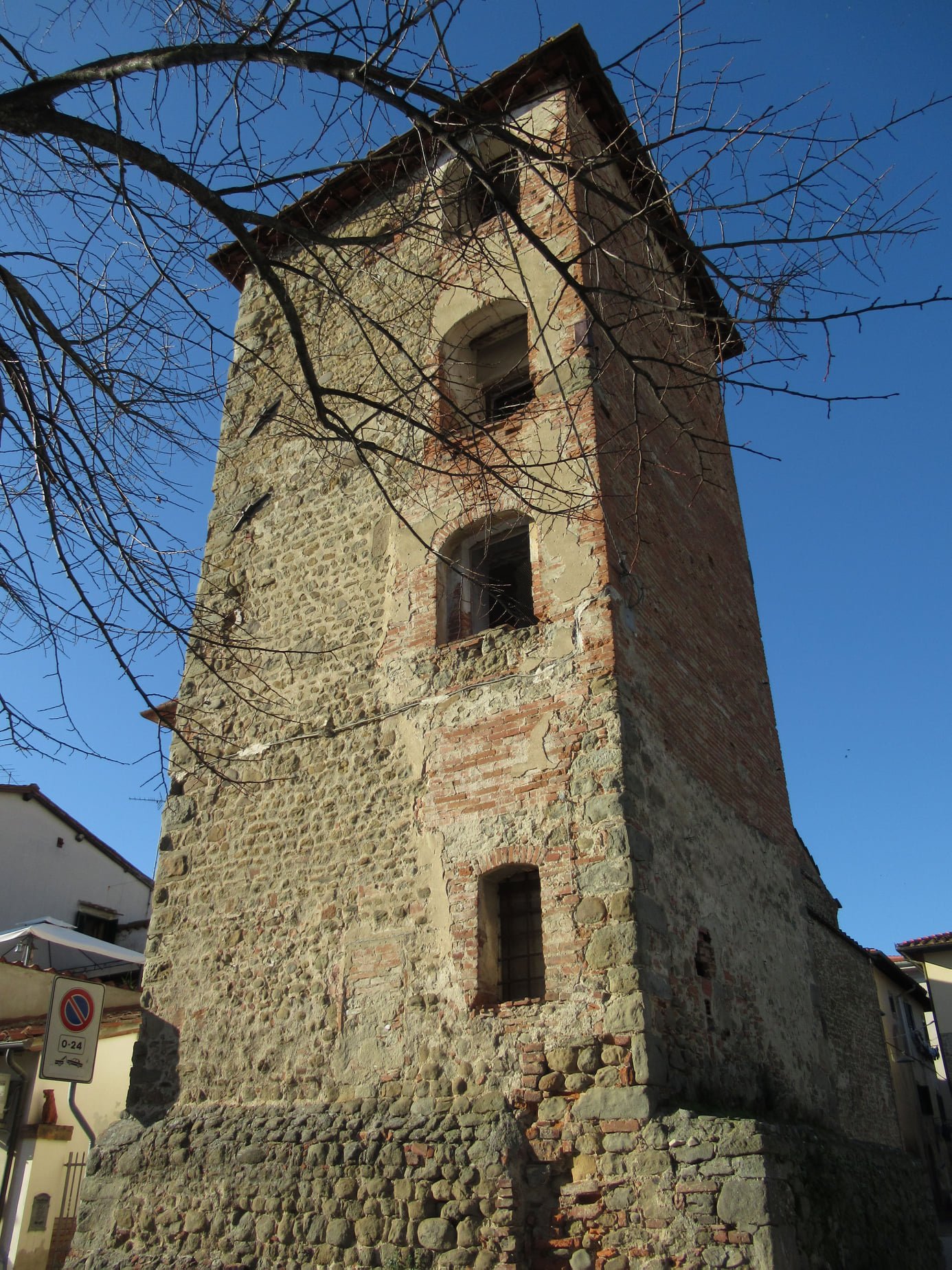
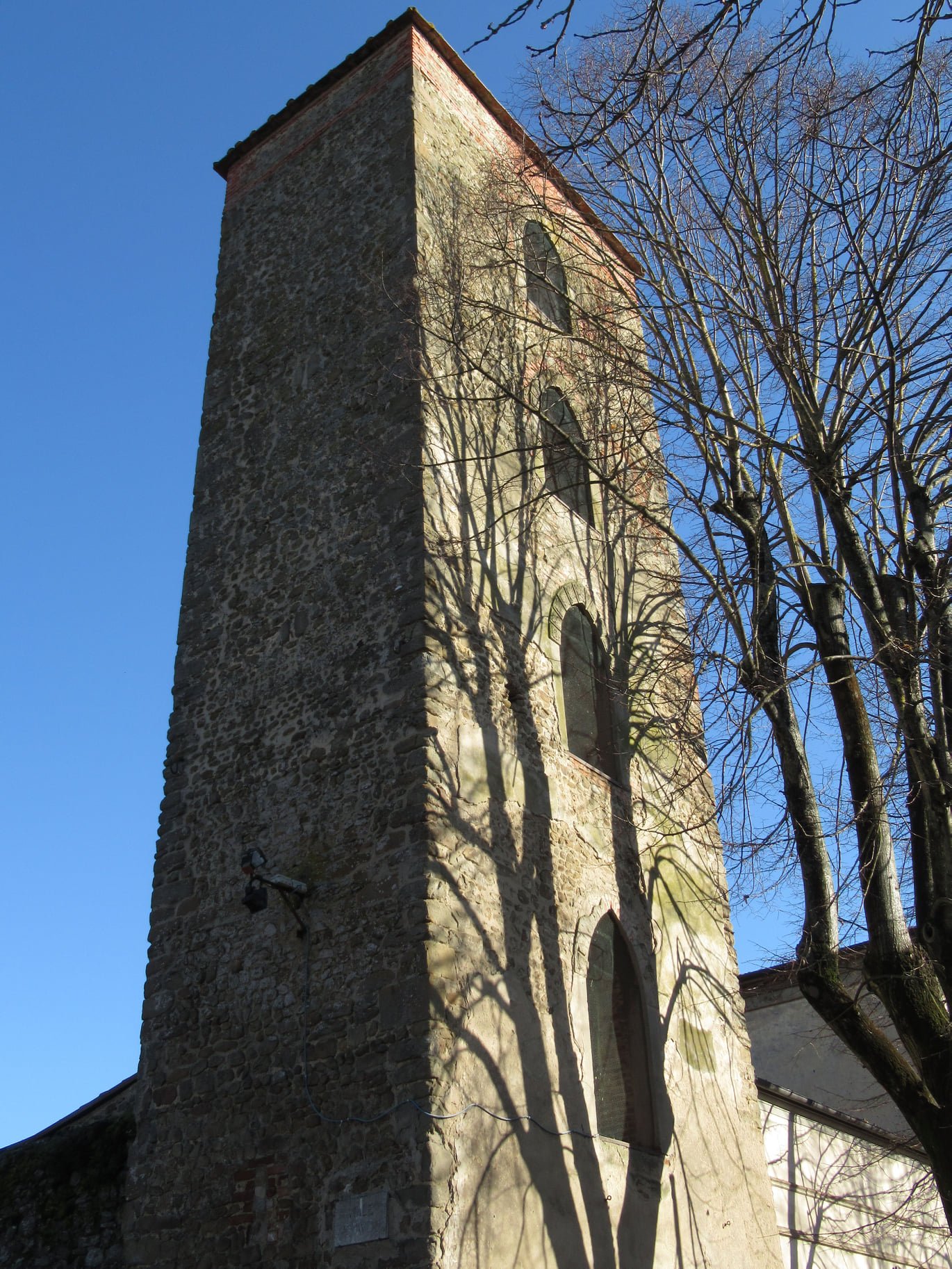
The historic centre is enclosed by the ancient walls, of which straight crenellated curtain walls, walkways and small towers remain. Of the four corner towers, three survive. The internal street plan follows a regular scheme, with orthogonal streets converging on the central square, surrounded by the walls. The noble residences occupied the central area, the more modest houses the outer ring.
What to see in Terranuova Bracciolini
Besides the walls, Palazzo Concini, now an exhibition venue of the municipality, is worth a visit in the historic centre. Every second Sunday of the month (except August) the squares host the Antiques Fair; in September the Festa del Perdono takes place. In the surrounding area, the church of San Biagio ai Mori, with frescoes from the fourteenth and fifteenth centuries, and the view of the Balze above Persignano are noteworthy. Montevarchi is about 3 km away.
Where it is and how to get there
The town walls are in the historic centre of Terranuova Bracciolini, in the Arezzo Valdarno. By car, leave the A1 motorway at the Valdarno exit, then take the SP 11 towards Gaiole in Chianti and the SP 59 to the town. From Arezzo there is the Florentia Bus line 2; alternatively, take the train to Montevarchi-Terranuova station and then the SITA bus line 92. The nearest airport is Florence, about 60 km away.
Practical information
Tickets and where to buy them
The walls are part of the urban fabric and the sources consulted do not mention an entrance ticket: to be confirmed with the Municipality of Terranuova Bracciolini.
Opening days and hours
No official hours are given in the sources: to be confirmed with the municipality or the tourist office.
Where to eat
In the town you can find typical products such as wine, oil, cheeses, cured meats and legumes, in particular coco and zolfino beans. For recommended restaurants, ask the municipality or the tourist office: to be confirmed.
Parking and services
Information on parking is not available in the sources: to be confirmed with the municipality.
Accessibility and other information
Accessibility data not available: to be confirmed with the Municipality of Terranuova Bracciolini.
Frequently asked questions
When was Terranuova Bracciolini founded?
In 1337, on the initiative of the Florentine Republic, under the name Castel Santa Maria.
How many corner towers of the town walls remain?
According to the ilturista.info guide, three of the original four survive.
How do you get to Terranuova Bracciolini by car?
From the A1, exit at Valdarno, then take the SP 11 towards Gaiole in Chianti and the SP 59 to the town.
Opening hours, prices and services often change: before your visit, call the official number or check the castle’s website. Last checked: November 2026.
Sources: Wikipedia, Terranuova Bracciolini; Visit Tuscany; Il Turista, guide to Terranuova Bracciolini; Toscana.info.
How to get there
Foto: author not stated, published with permission
Source: Castelli, Rocche e Fortificazioni in Italia (Facebook)