

Ursino Castle
Photos








At a glance
- Region
- Sicily
- Province
- Catania (CT)
- Town
- Catania
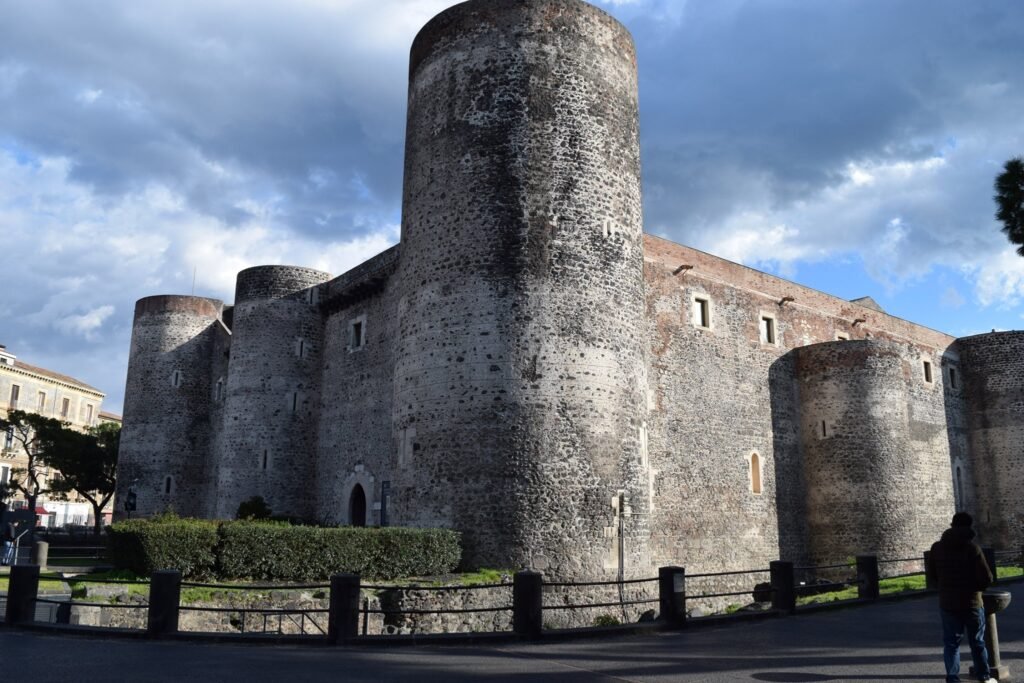
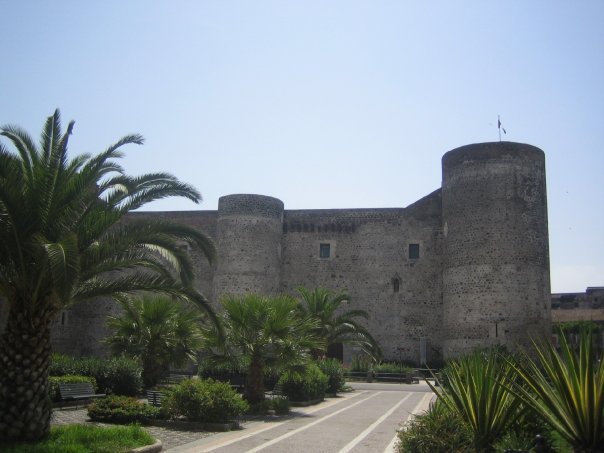
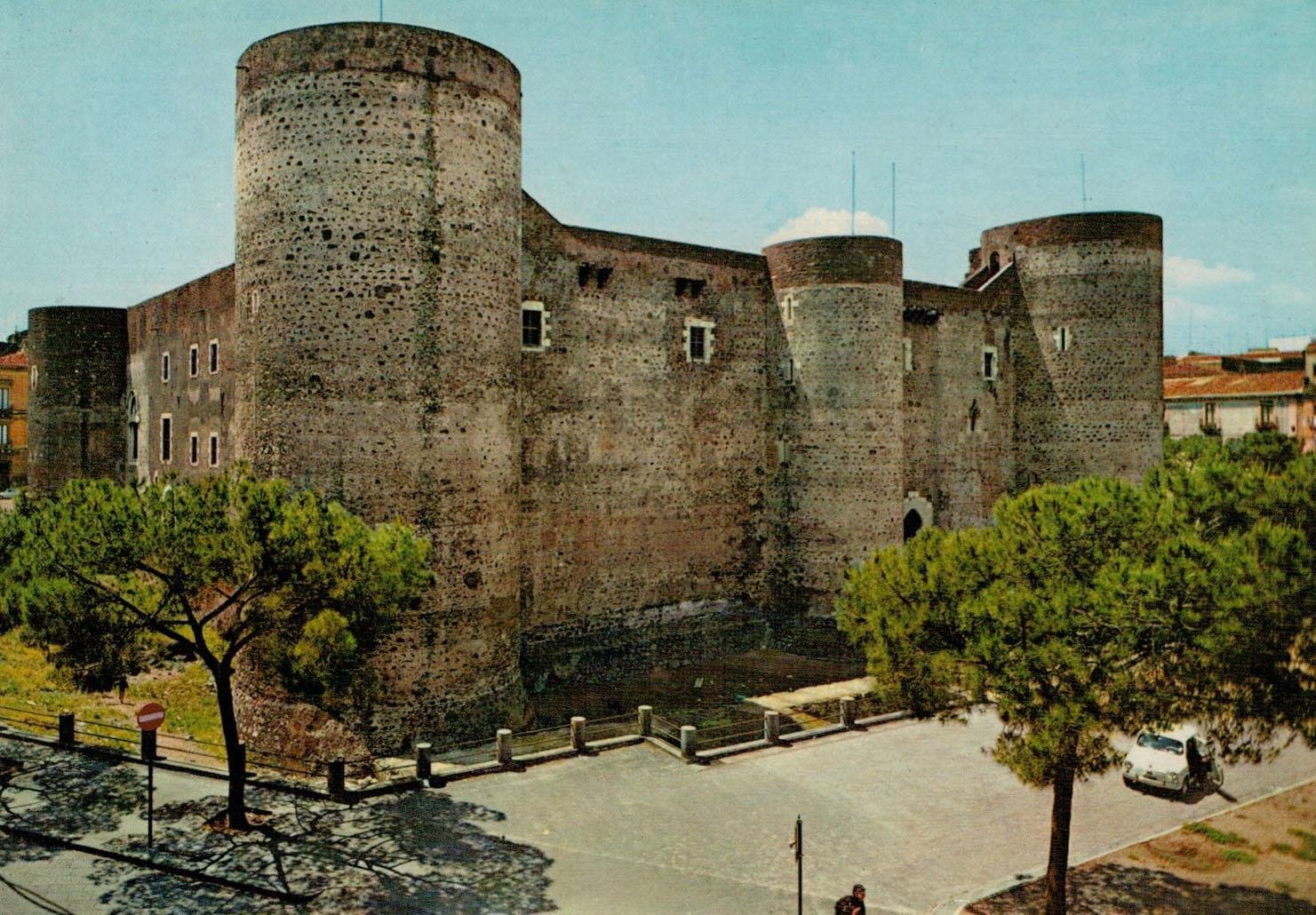
The Ursino Castle of Catania, in the historic centre of the city beneath Etna (province of Catania, Sicily), is a fortress of the Swabian era that today houses the Civic Museum. Built at the wish of Frederick II, it is famous because in 1669 lava from Etna surrounded it, changing the coastline.
History of Ursino Castle in Catania
From the Swabian foundation to the Aragonese court
It was built after 1239 to a design by the military architect Riccardo da Lentini, as part of the island’s system of coastal fortresses together with those of Siracusa and Augusta. In 1295 the Sicilian Parliament met there, which declared James II deposed and elected Frederick III king; in 1347 the Peace of Catania was signed there, and in 1434 Alfonso the Magnanimous signed there the founding of the University.
Lava, earthquake and museum
Having lost its military role from the sixteenth century, it became the residence of castellans and in part a prison (until 1838). On 16 April 1669 the lava flow from Etna filled the moat and moved the coast by hundreds of metres; in 1693 the earthquake damaged it. After a restoration in the 1930s it passed to the Municipality (1932) and was inaugurated as a civic museum on 20 October 1934.
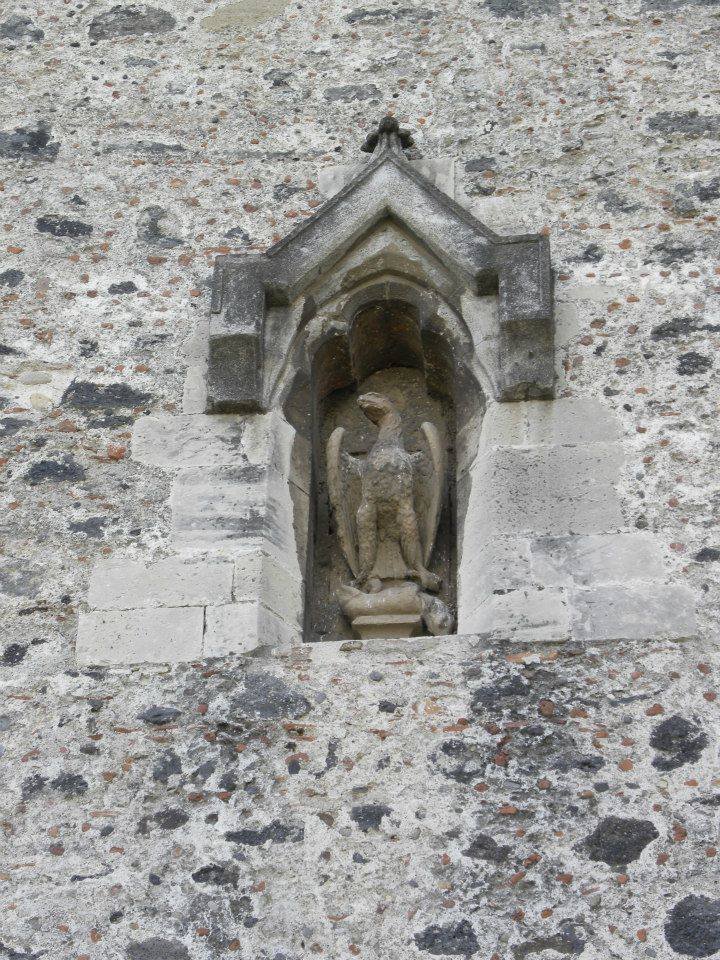
The name, which is linked to the fortress only by tradition, is debated: one hypothesis derives it from “Castrum Sinus” (castle of the gulf), others connect it to a family named Ursino. The Swabian eagle clutching a hare, on the north portal, is also read as a symbol linked to the surrender of the city: this is a tradition, not a documented fact.
What to see at Ursino Castle
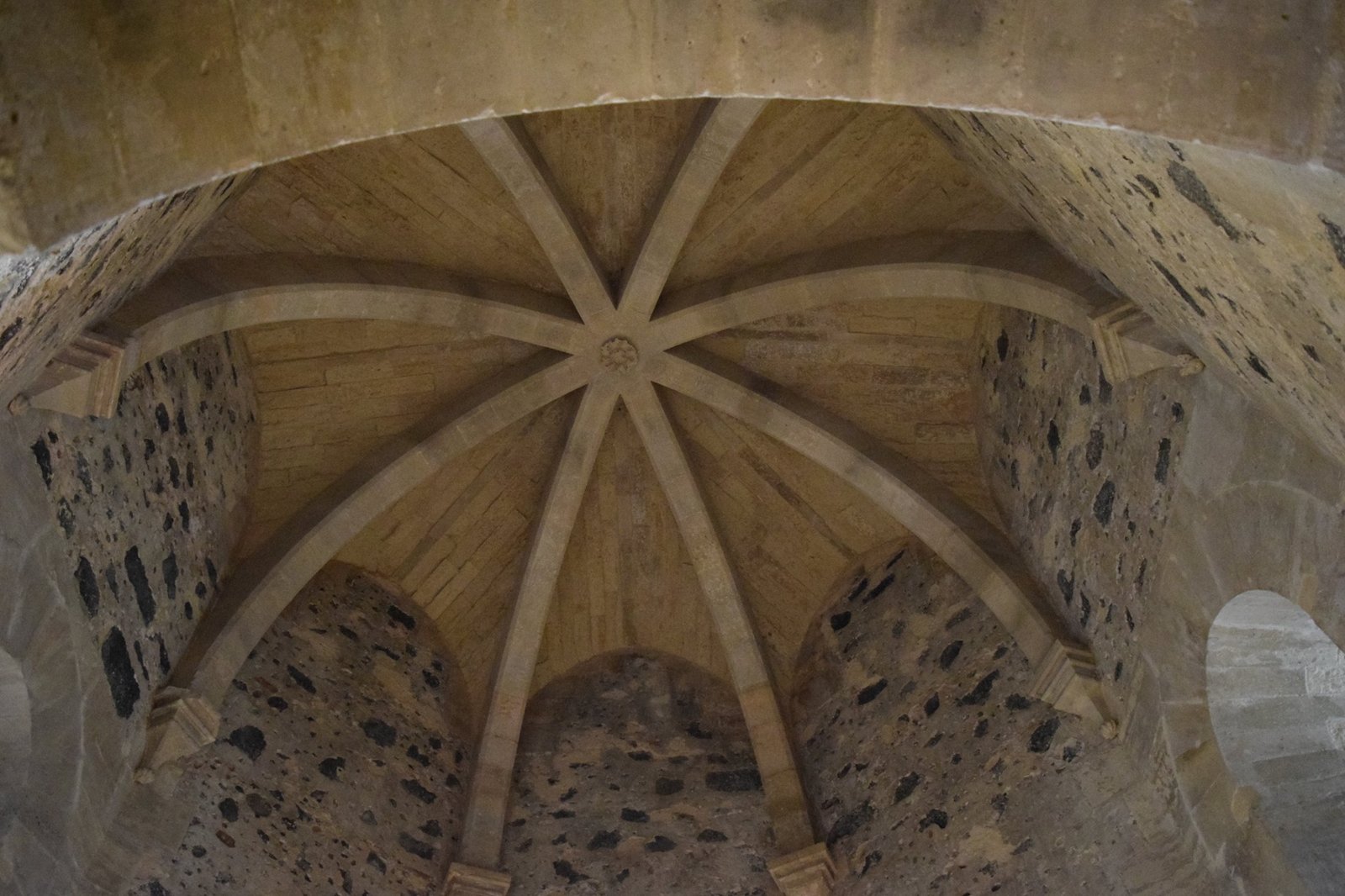
The plan is square, about 50 metres per side, with four circular bastions at the corners and two surviving intermediate towers; the lava-stone walls are about 2.5 metres thick. In the courtyard you climb an external Gothic staircase; inside are four large rooms with cross vaults. On the ground floor and in the courtyard you can see the prisoners’ graffiti, the oldest of which dates from 1526.
The Civic Museum holds the Biscari and Benedettini collections: Greek and Roman sculptures, mosaics, bronzes from Magna Graecia, ceramics and ancient vases.
Where it is and how to get there
The castle stands in the heart of Catania, in piazza Federico di Svevia, in the area of Porta della Decima. Directions and parking: to be confirmed with the Municipality or the managing body. A short distance away are the monastery of San Nicolò l’Arena, the Cathedral of Sant’Agata and the bastions of San Giorgio and Santa Croce, reachable on foot.
Practical information
Tickets and where to buy them
The sources consulted do not agree on prices (a local newspaper in 2023 reported 10 euros, with a reduced rate for young people aged 11-18 and a single ticket for several civic museums): to be confirmed with the Municipality or the managing body.
Opening days and hours
A museum portal indicates opening from Monday to Saturday, but the current official hours are to be confirmed with the Municipality of Catania.
Where to eat
To be confirmed: the historic centre offers many options, but we have no official source to cite.
Parking and services
To be confirmed.
Accessibility and other information
Telephone reported by museionline (unofficial): +39 095 345830. According to museionline there is an audio guide on izi.travel. For accessibility and email: to be confirmed with the Municipality or the managing body.
Frequently asked questions
Why is Ursino Castle famous?
Because it is a fortress of Frederick II that in 1669 was reached by the lava of Etna: the moat filled up and the coast moved, leaving the castle inside the city.
What can you visit inside?
The Civic Museum, with the Biscari and Benedettini collections, and the castle’s rooms with the prisoners’ graffiti.
Who had it built?
Frederick II of Swabia, after 1239, to a design by Riccardo da Lentini.
In short, Ursino Castle in Catania combines Swabian history, the memory of Etna and a civic museum in the very centre: a natural stop for anyone visiting the city.
Opening hours, prices and services change often: before visiting, call the official number or check the castle’s website. Last checked: November 2026.
Sources: Wikipedia · museionline · LiveUniversity Catania
How to get there
Directions with Google Maps Apple Maps
Hiking trails map (Waymarked Trails) Walking route
Trails: data © OpenStreetMap contributors (ODbL). Always check signs and trail conditions before setting off.
Foto: author not stated, published with permission

