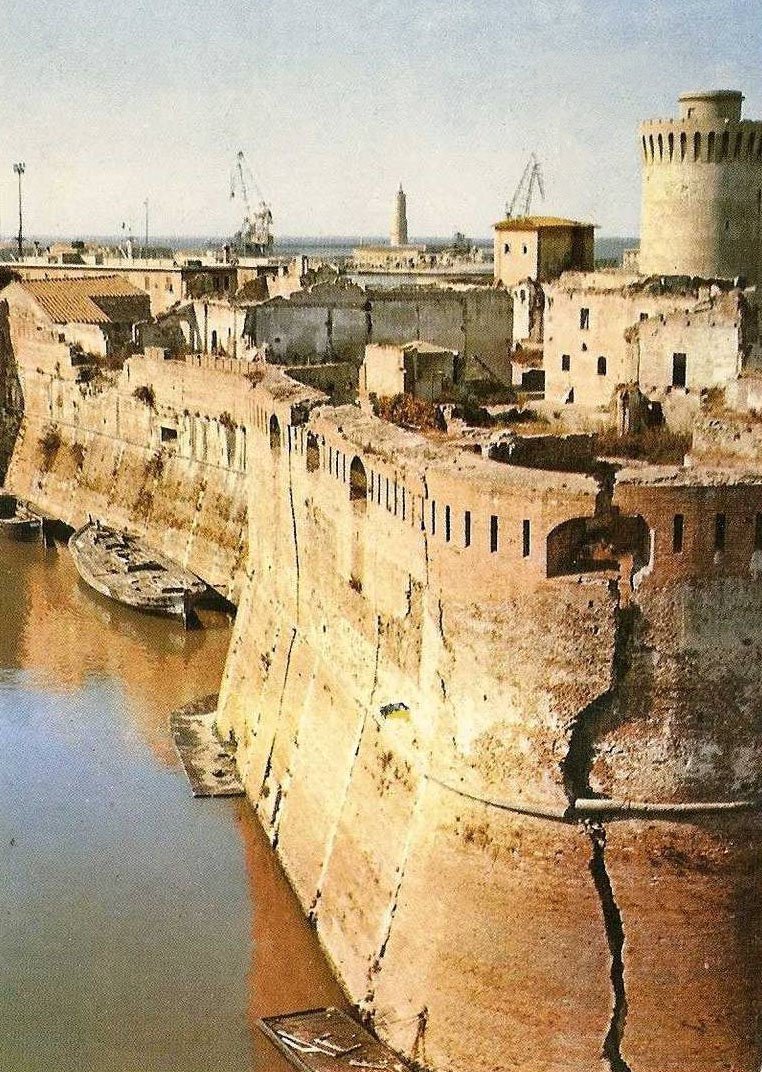
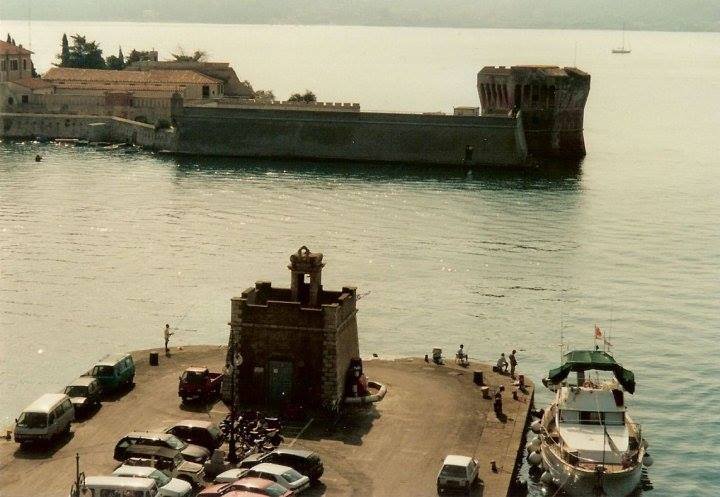
Piombino Castle, Rivellino and Torrione
Photos







At a glance
- Region
- Tuscany
- Province
- Livorno (LI)
- Town
- Piombino
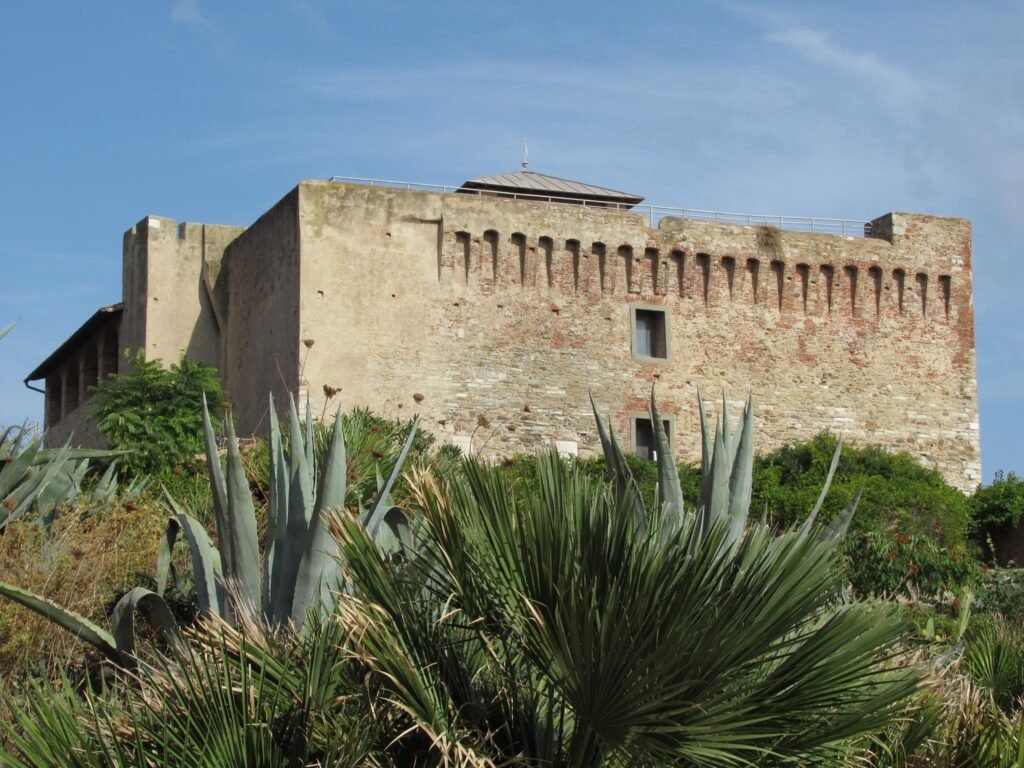
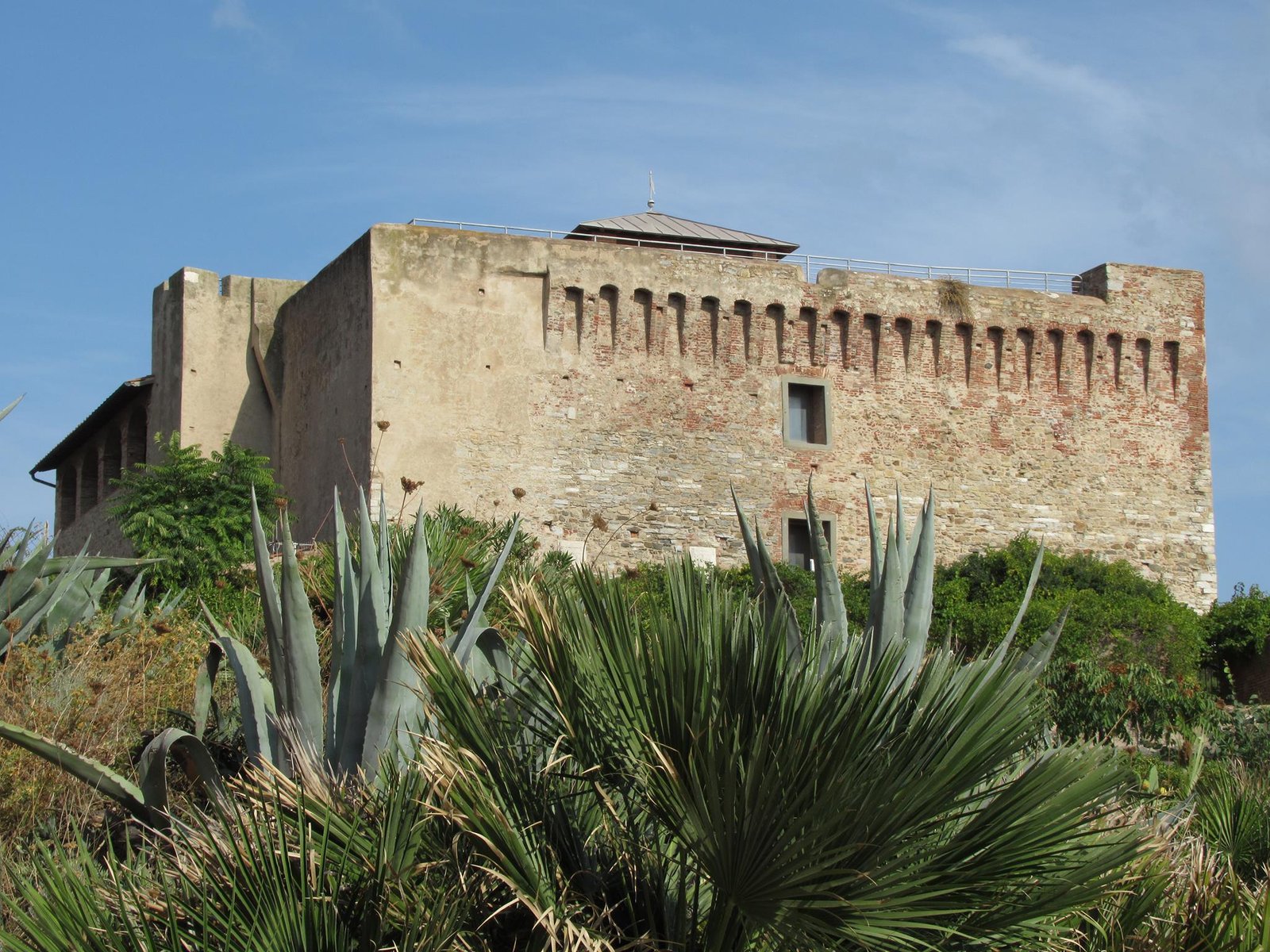
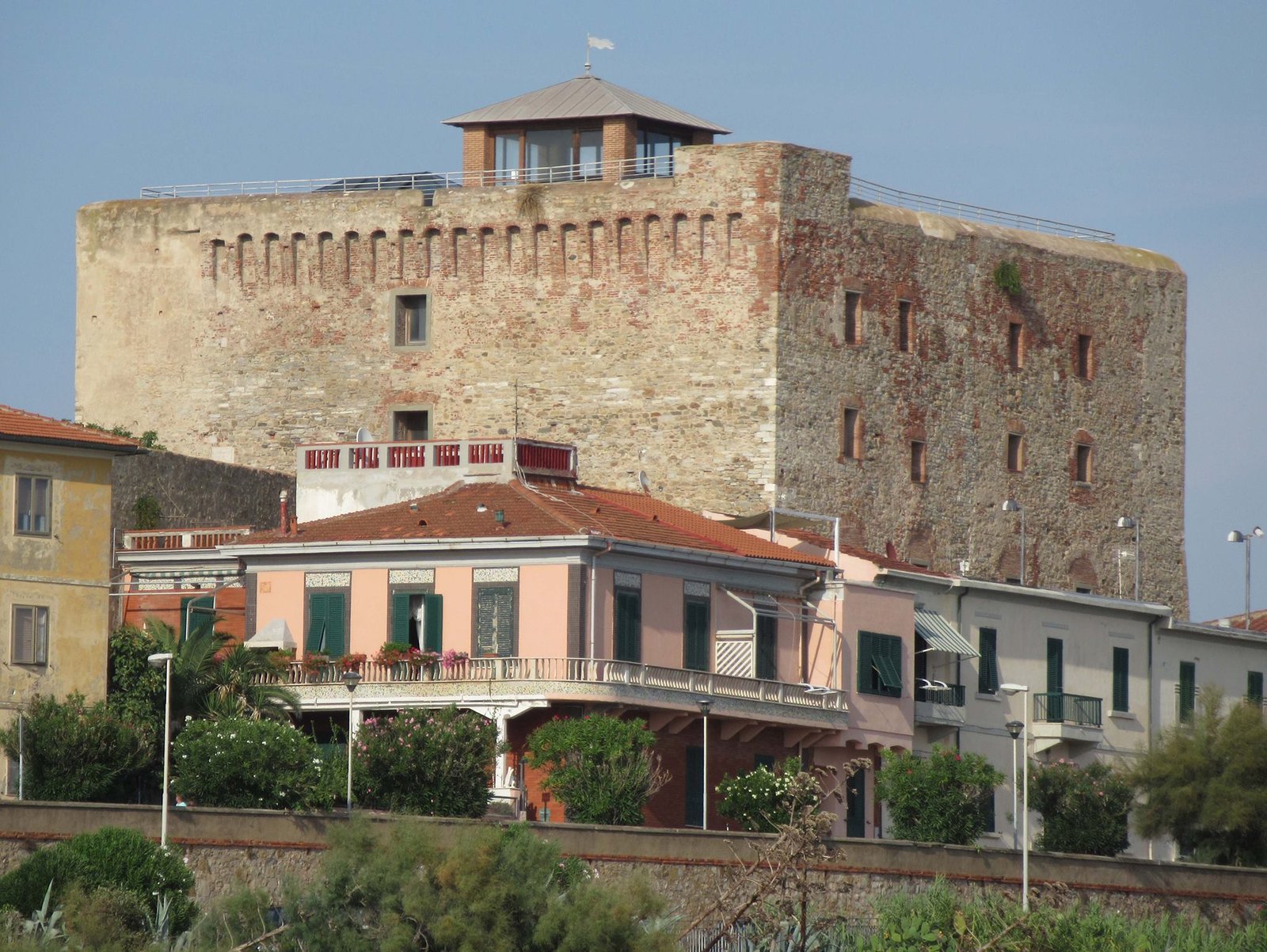
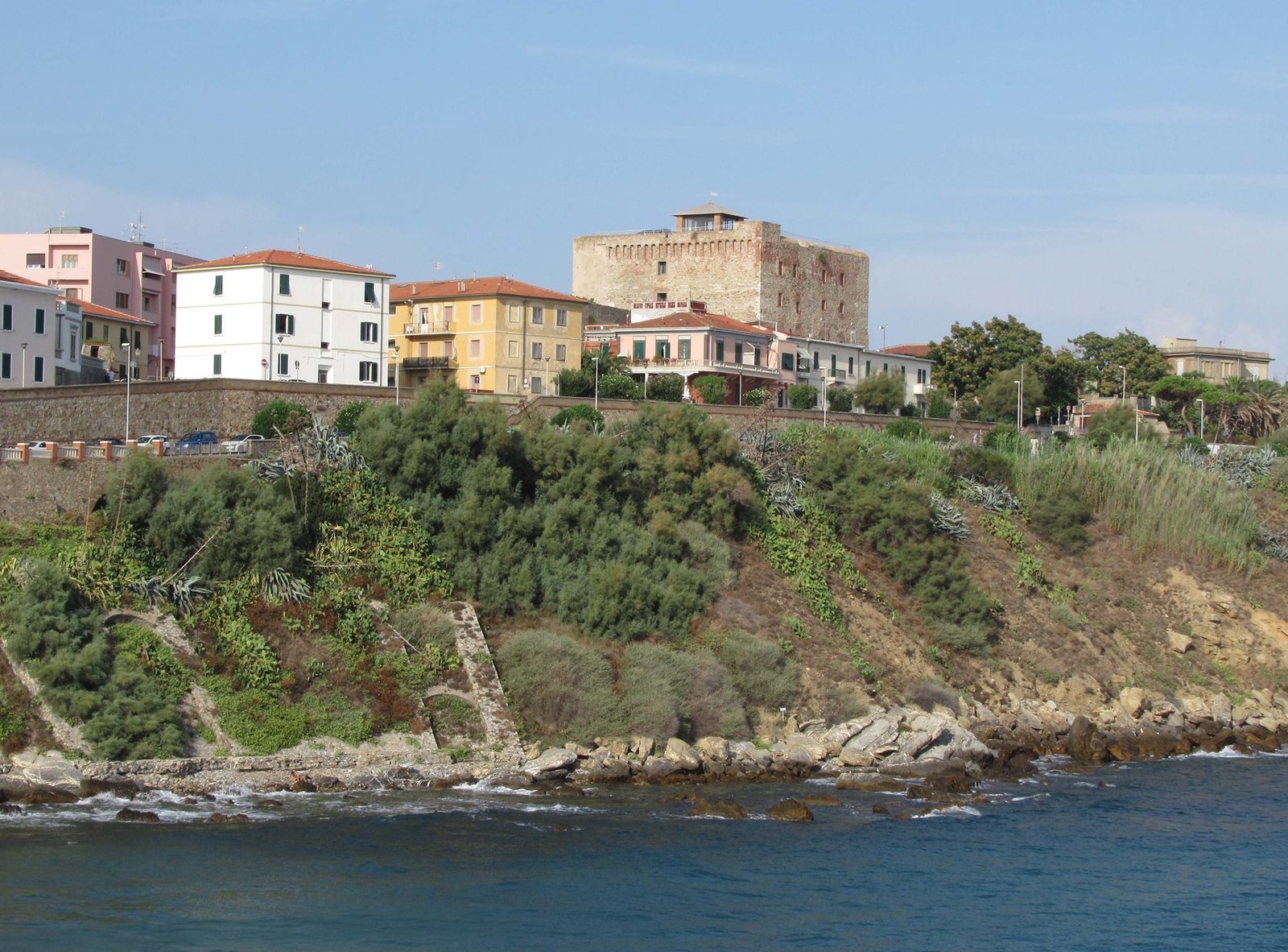
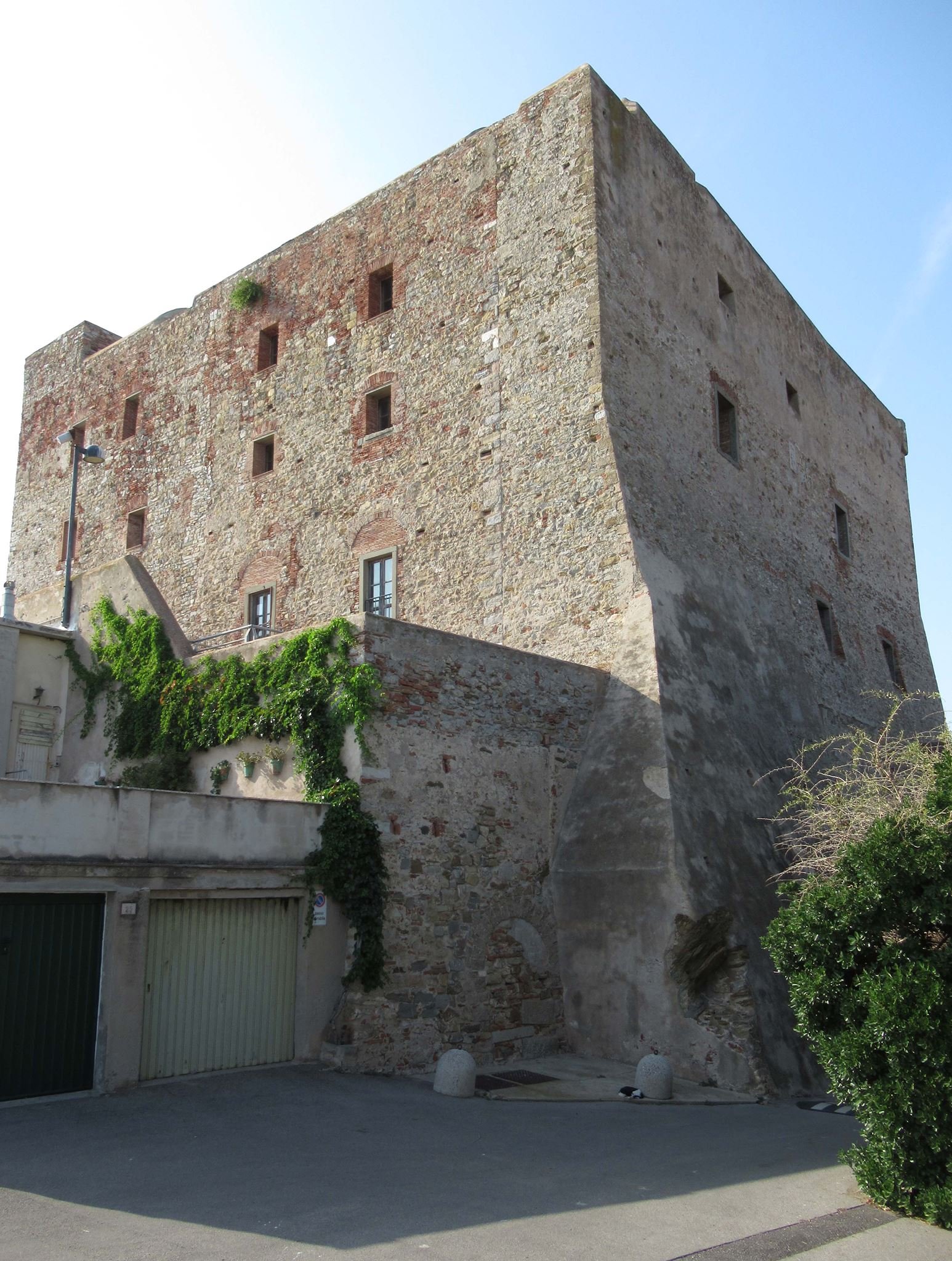
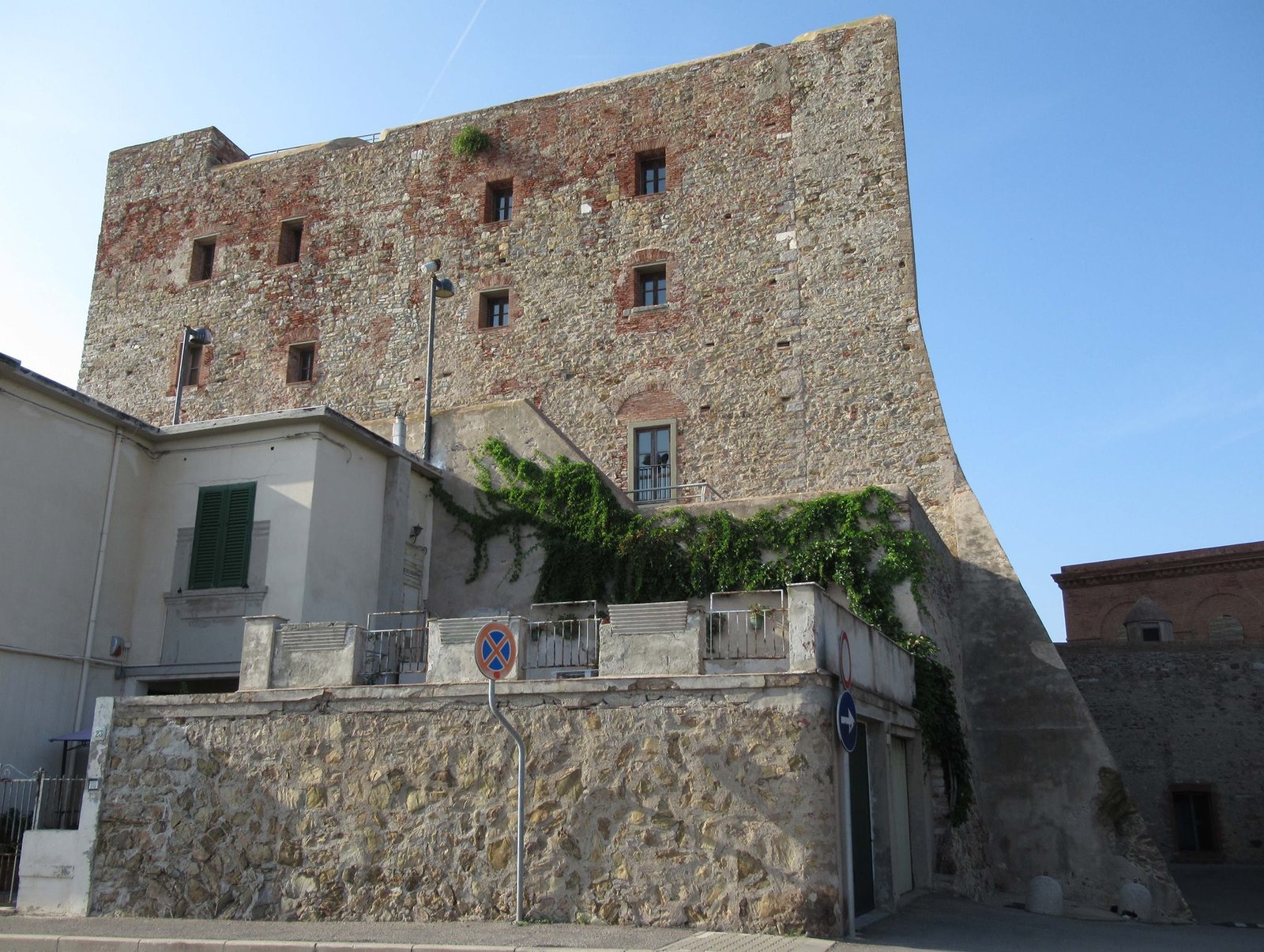
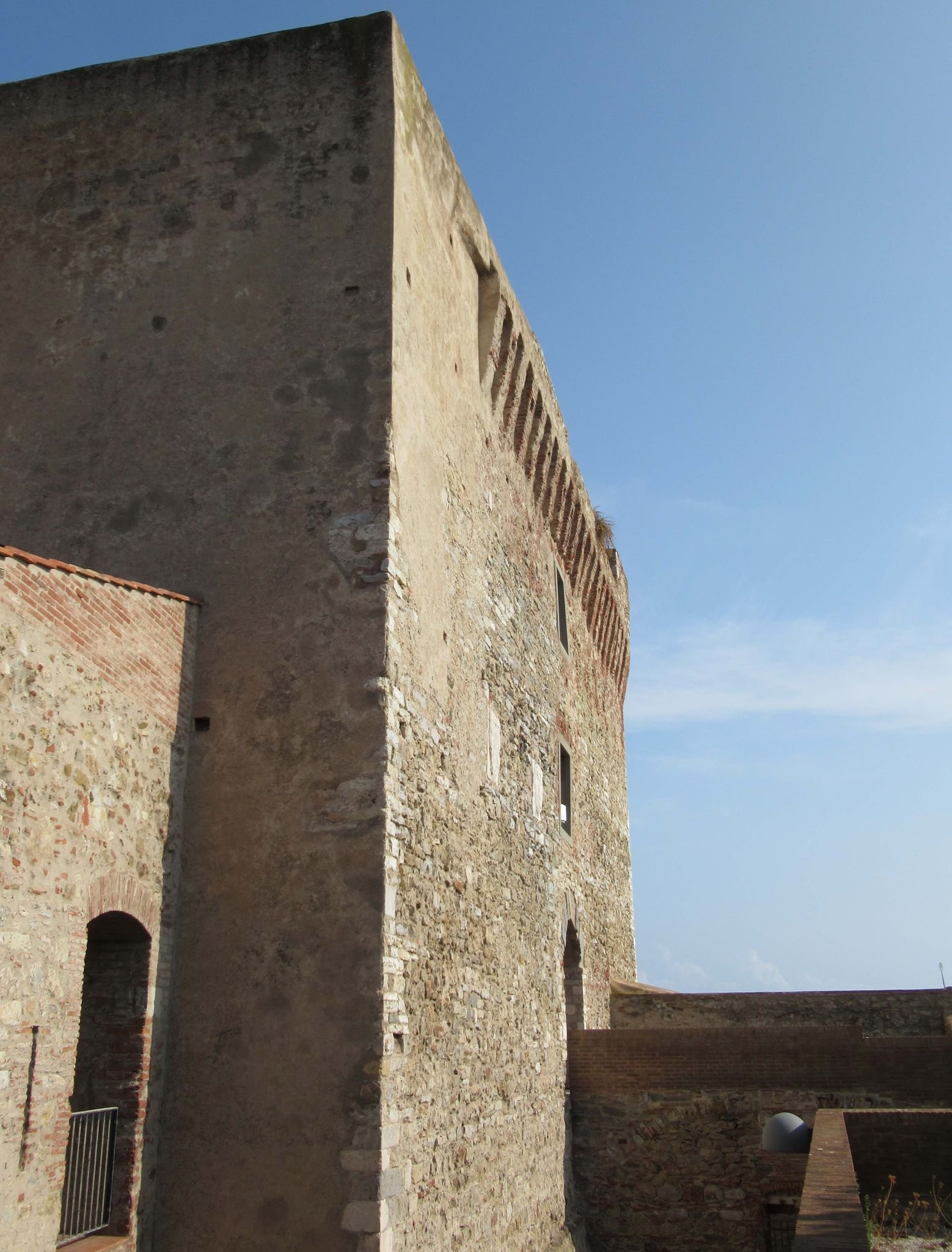
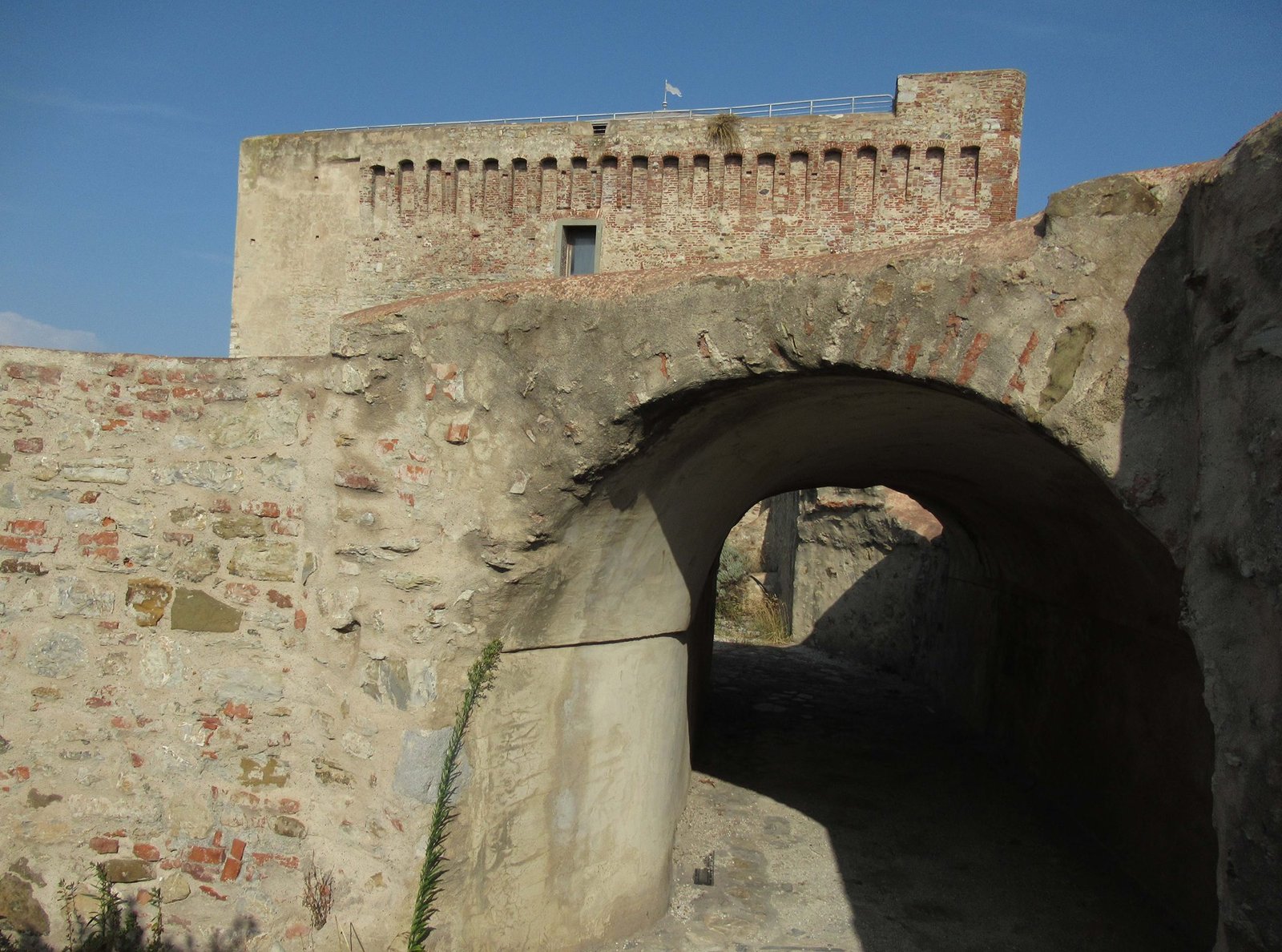
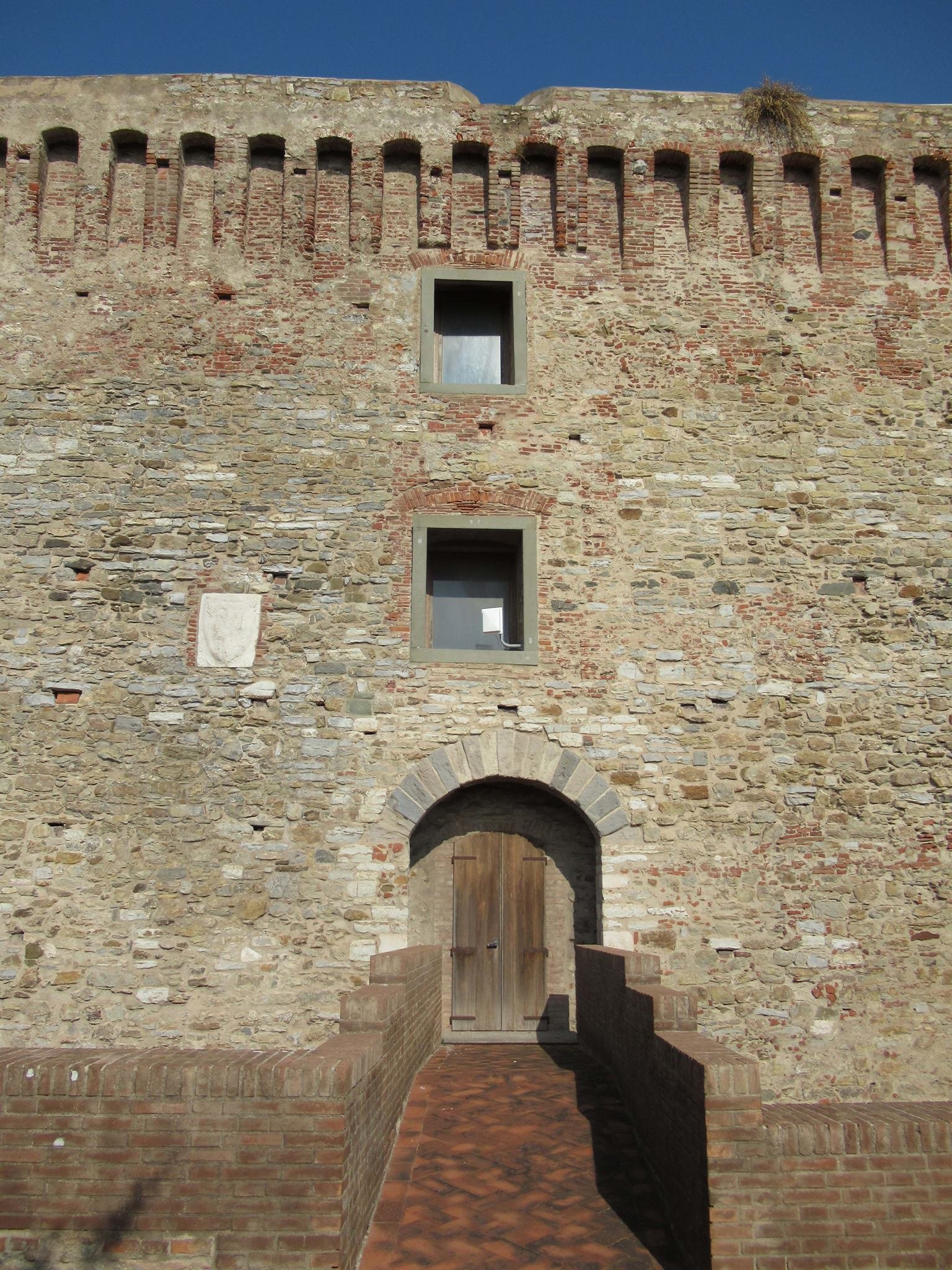
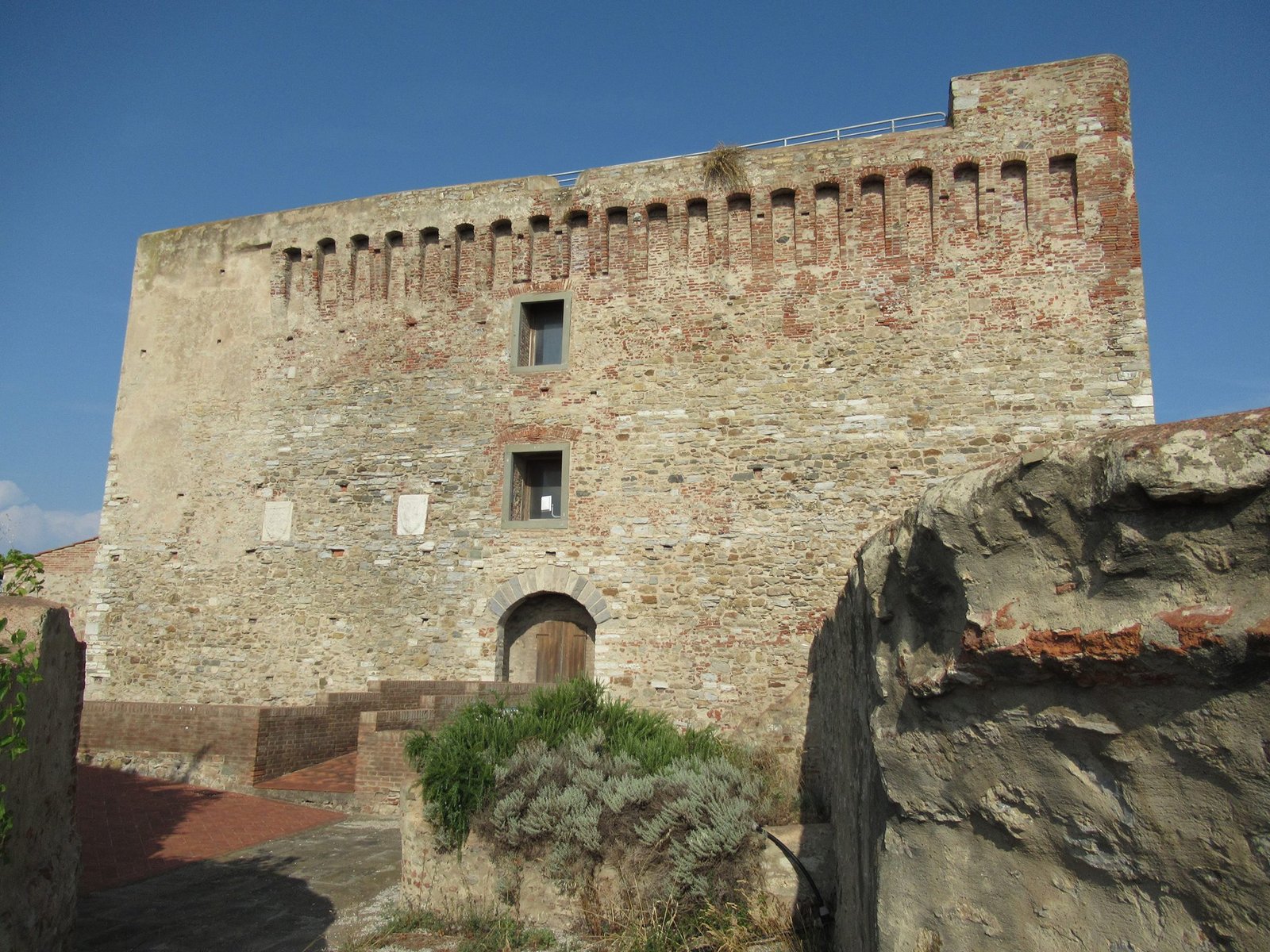
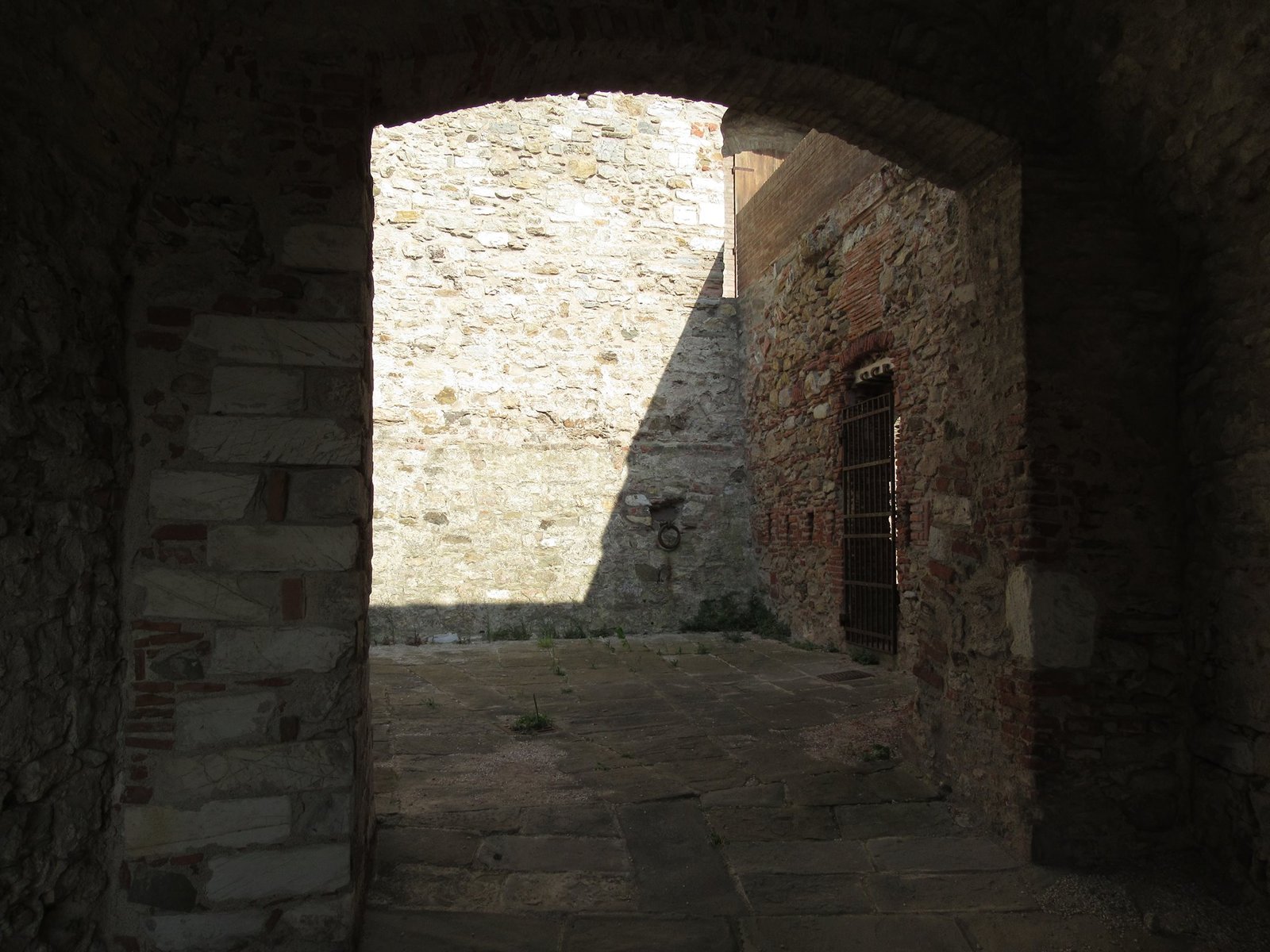
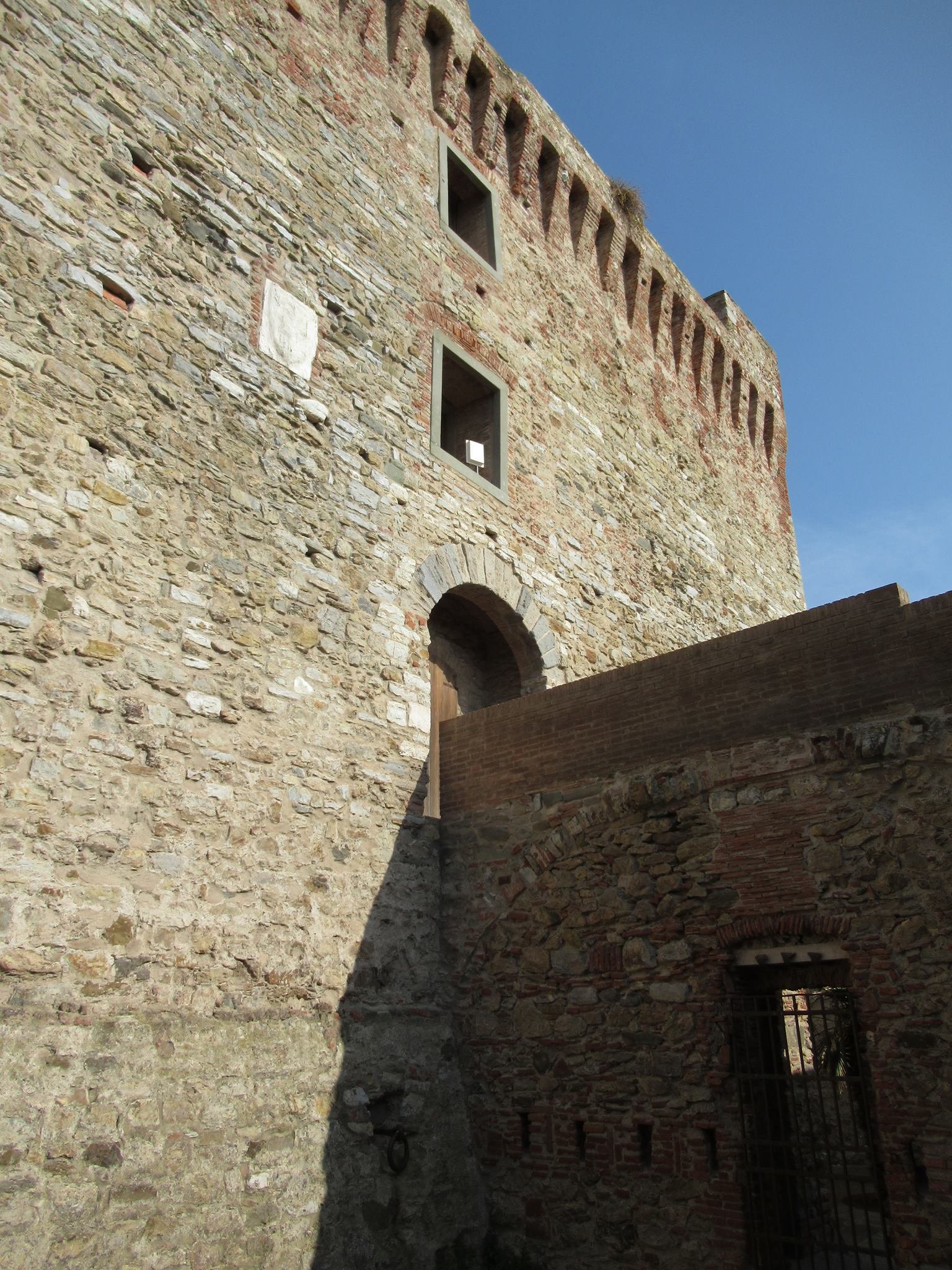
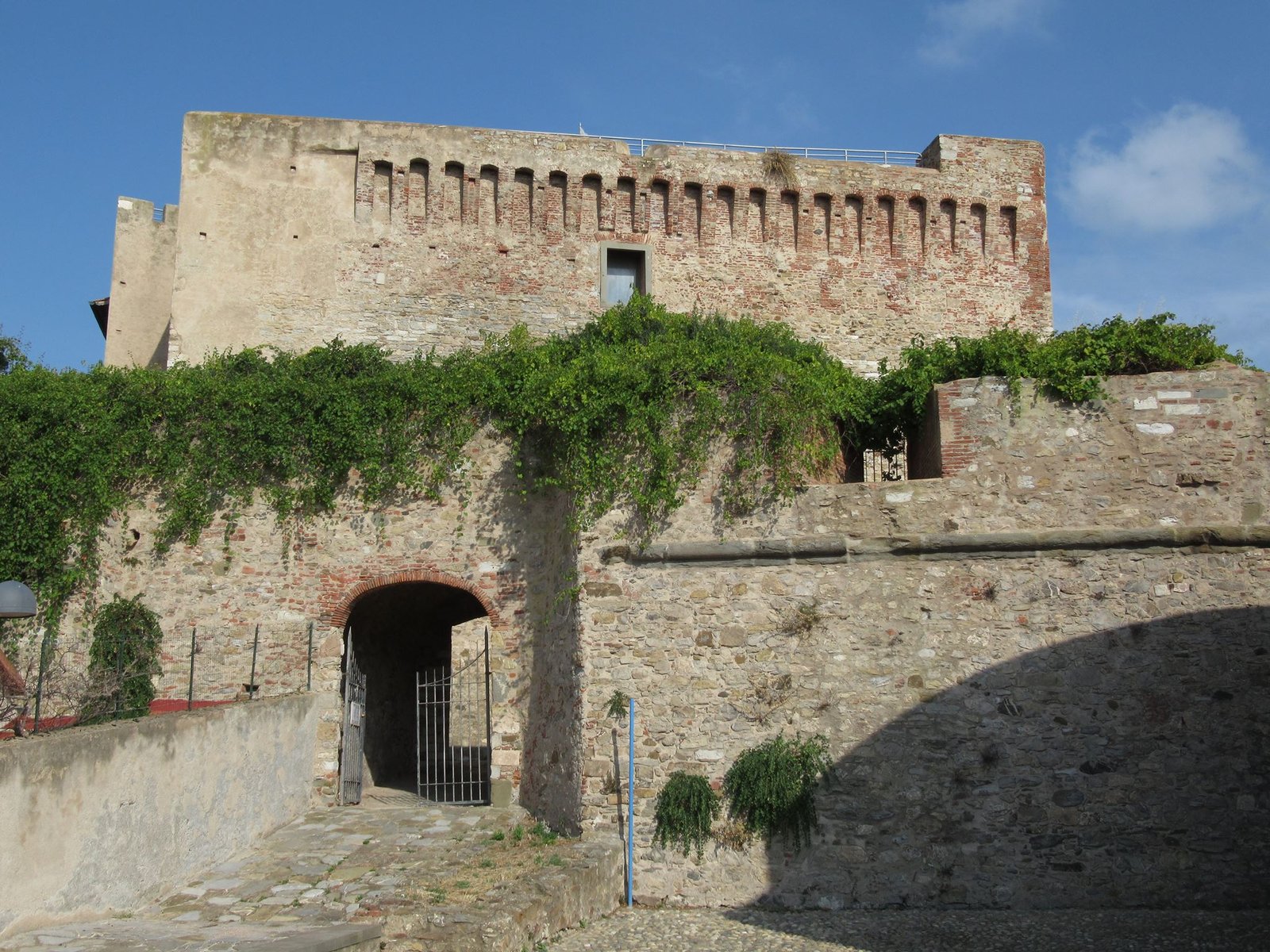
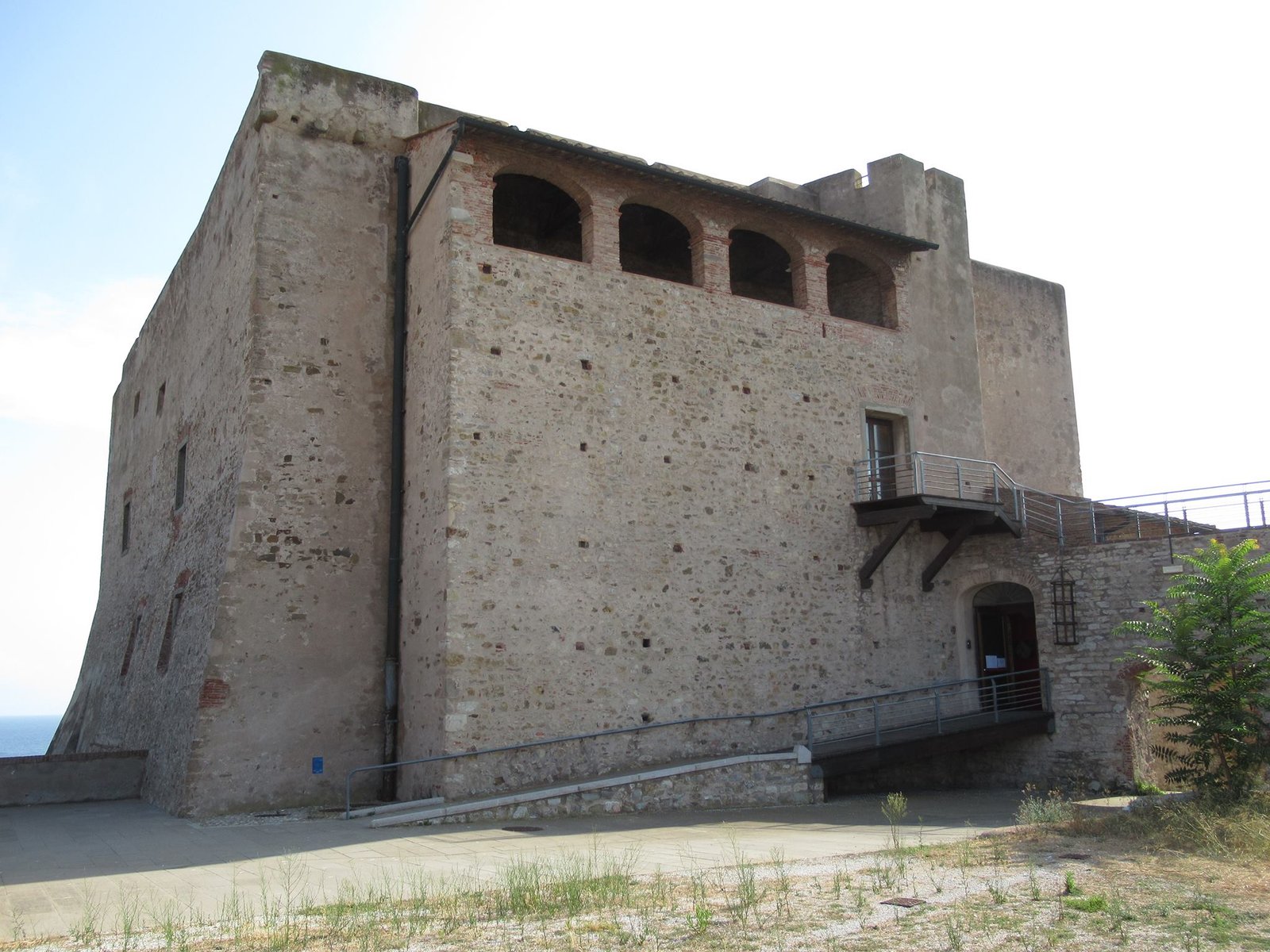
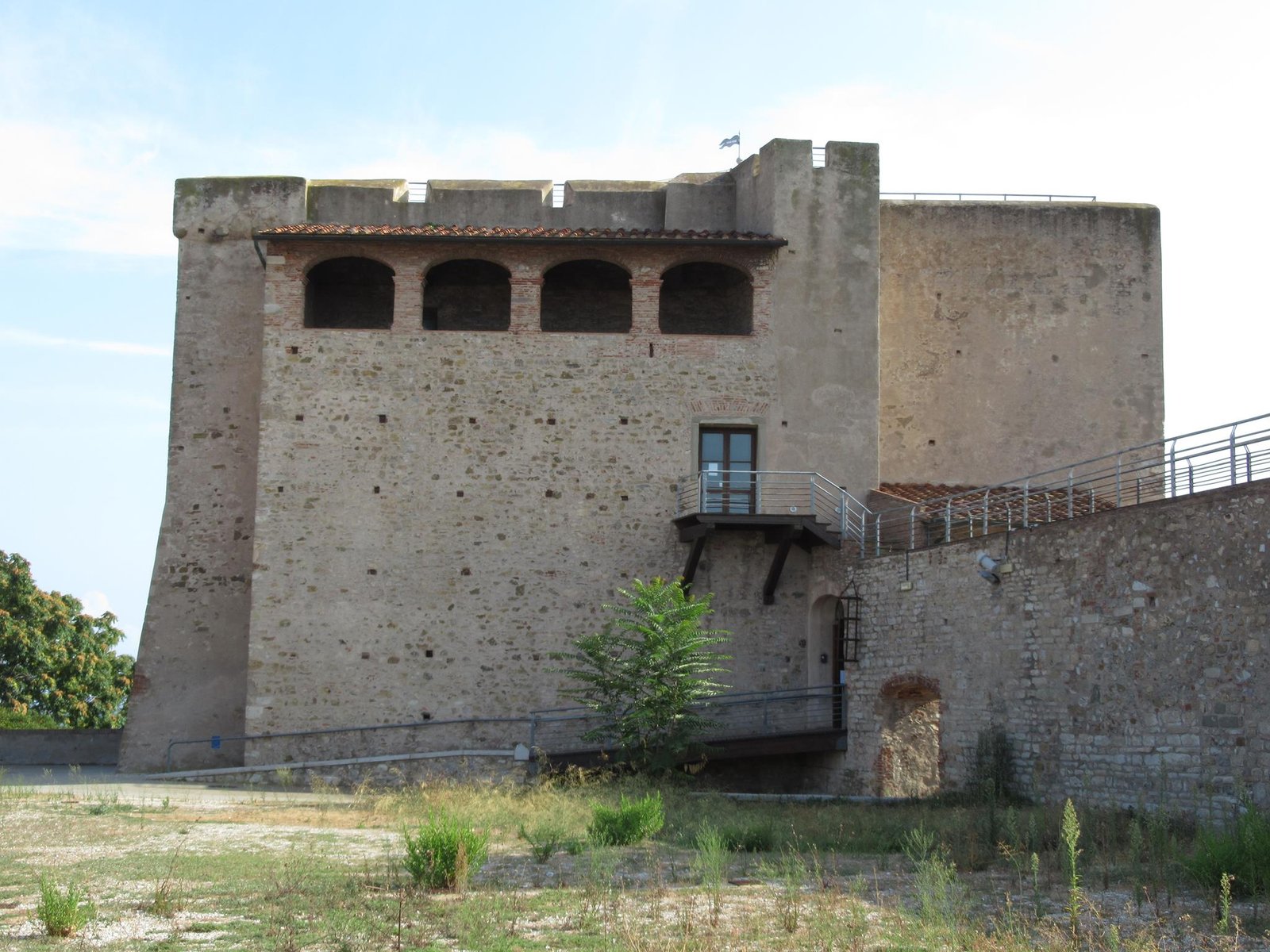
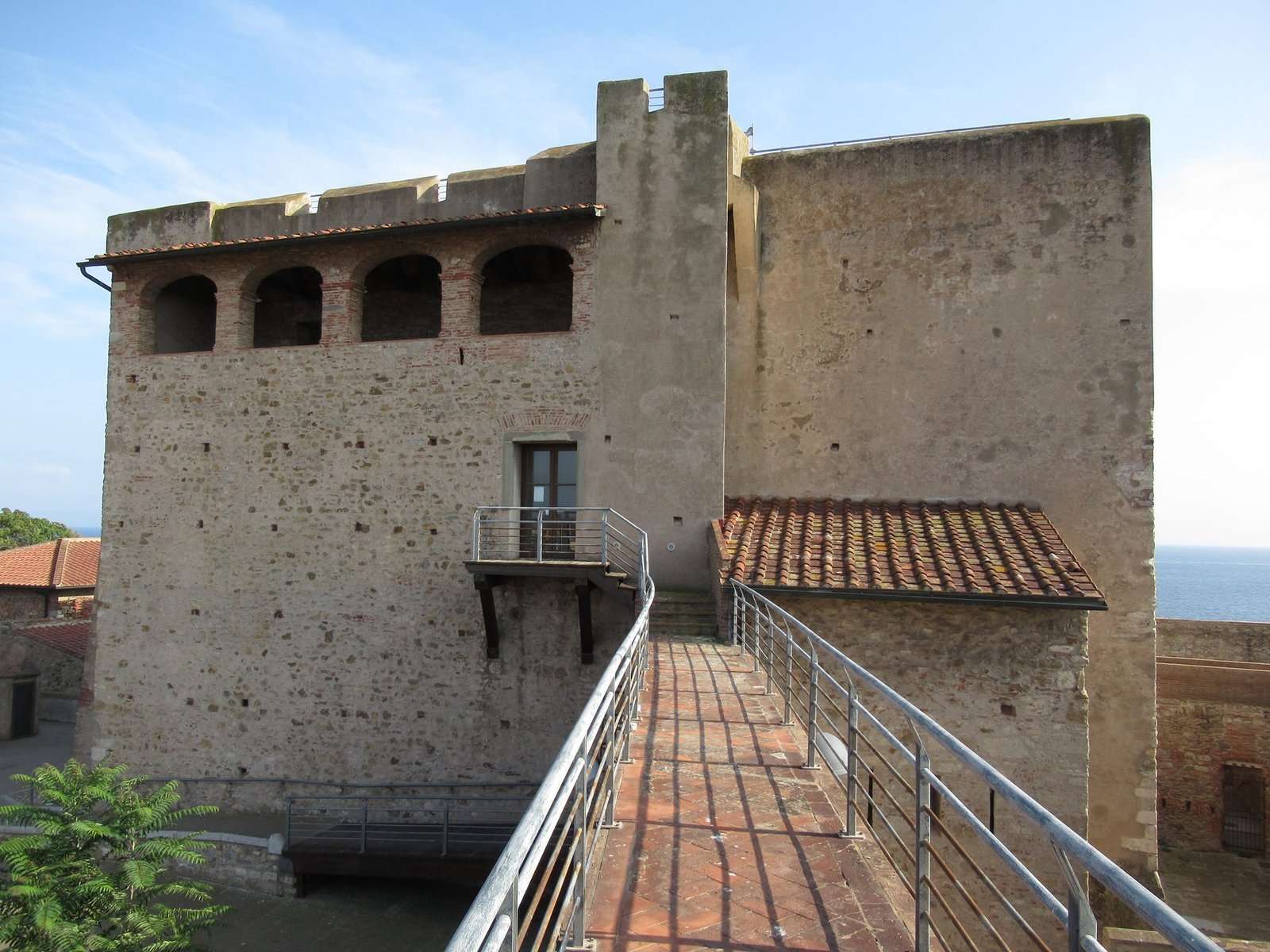
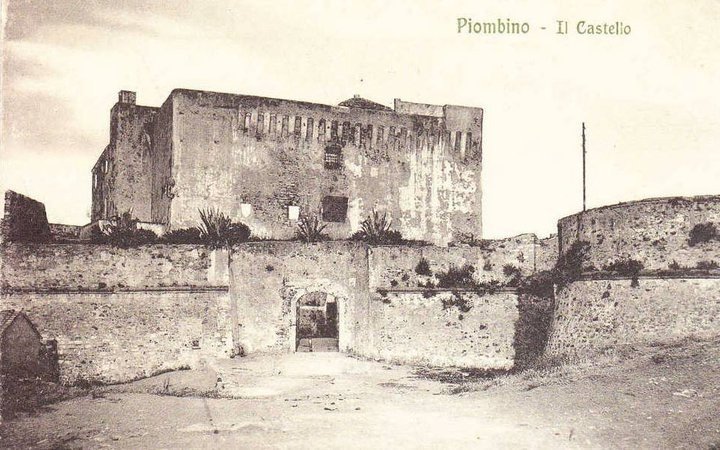
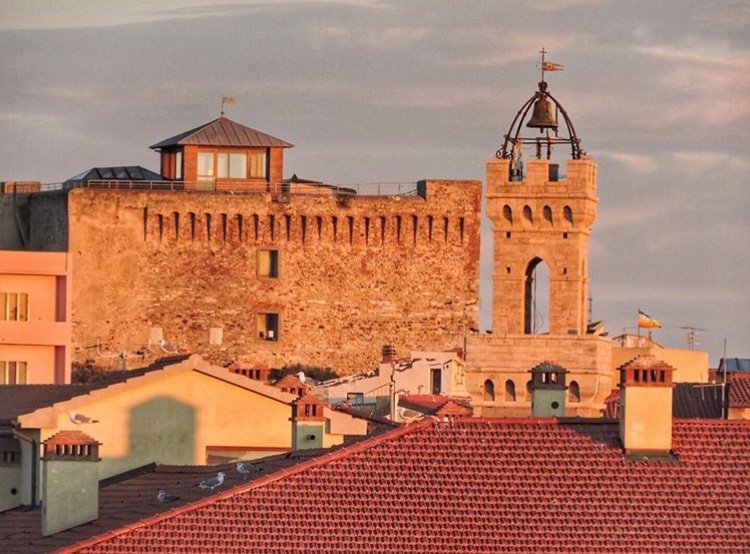
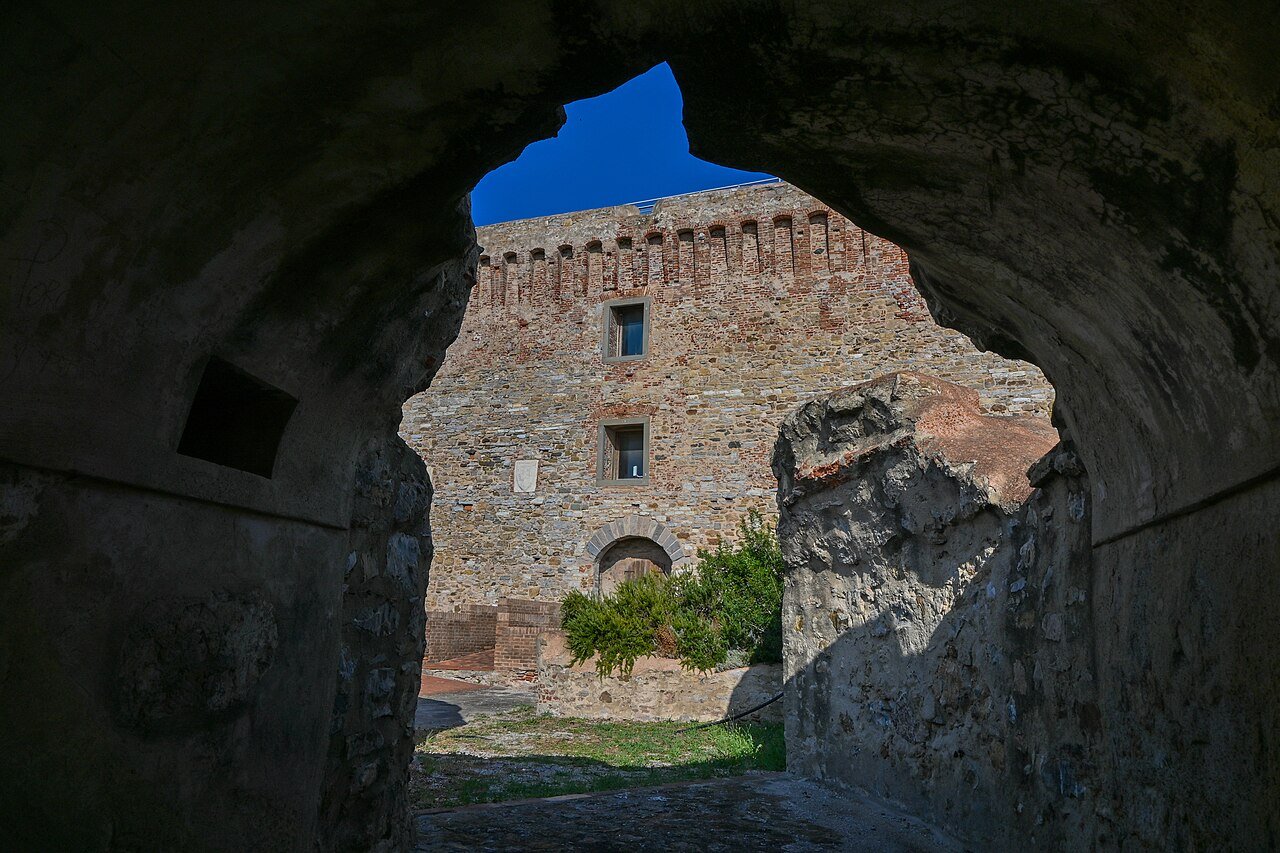
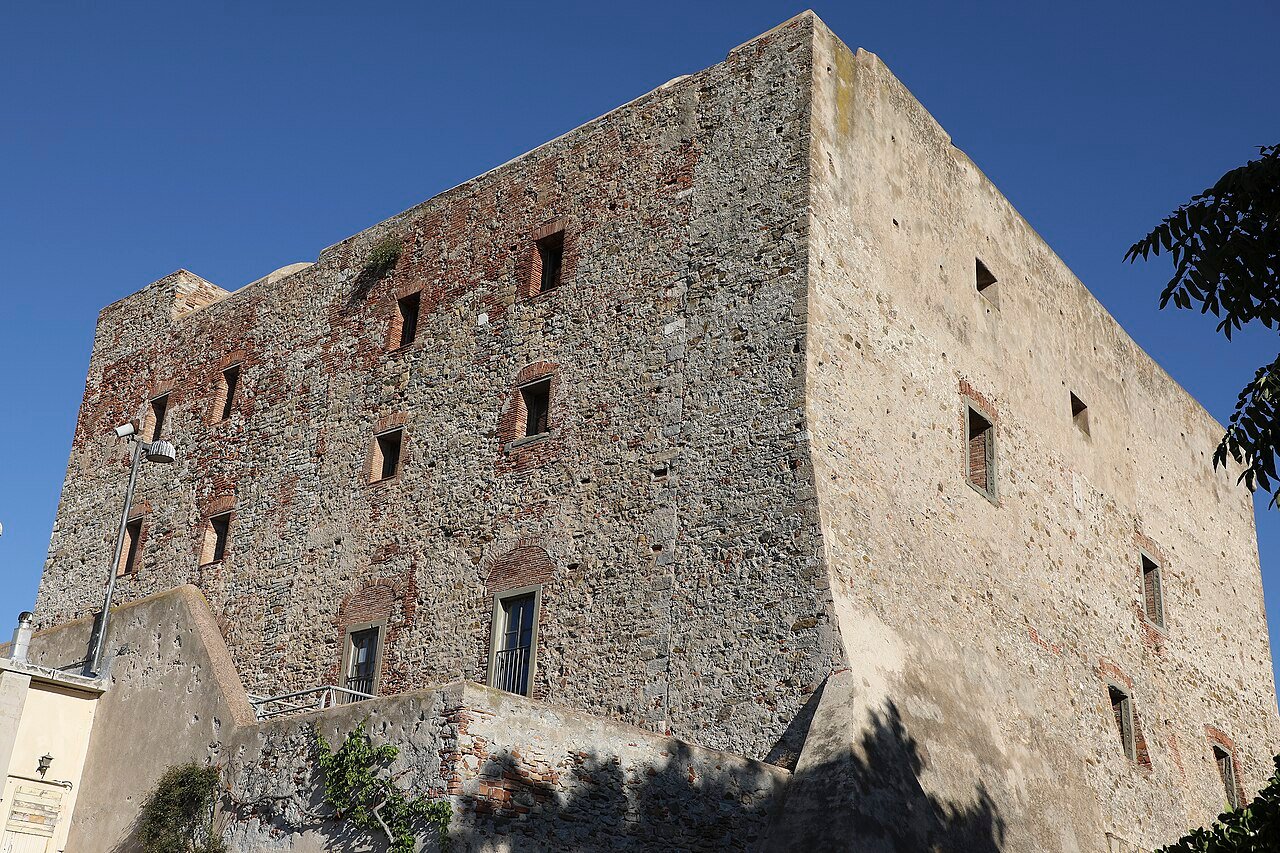
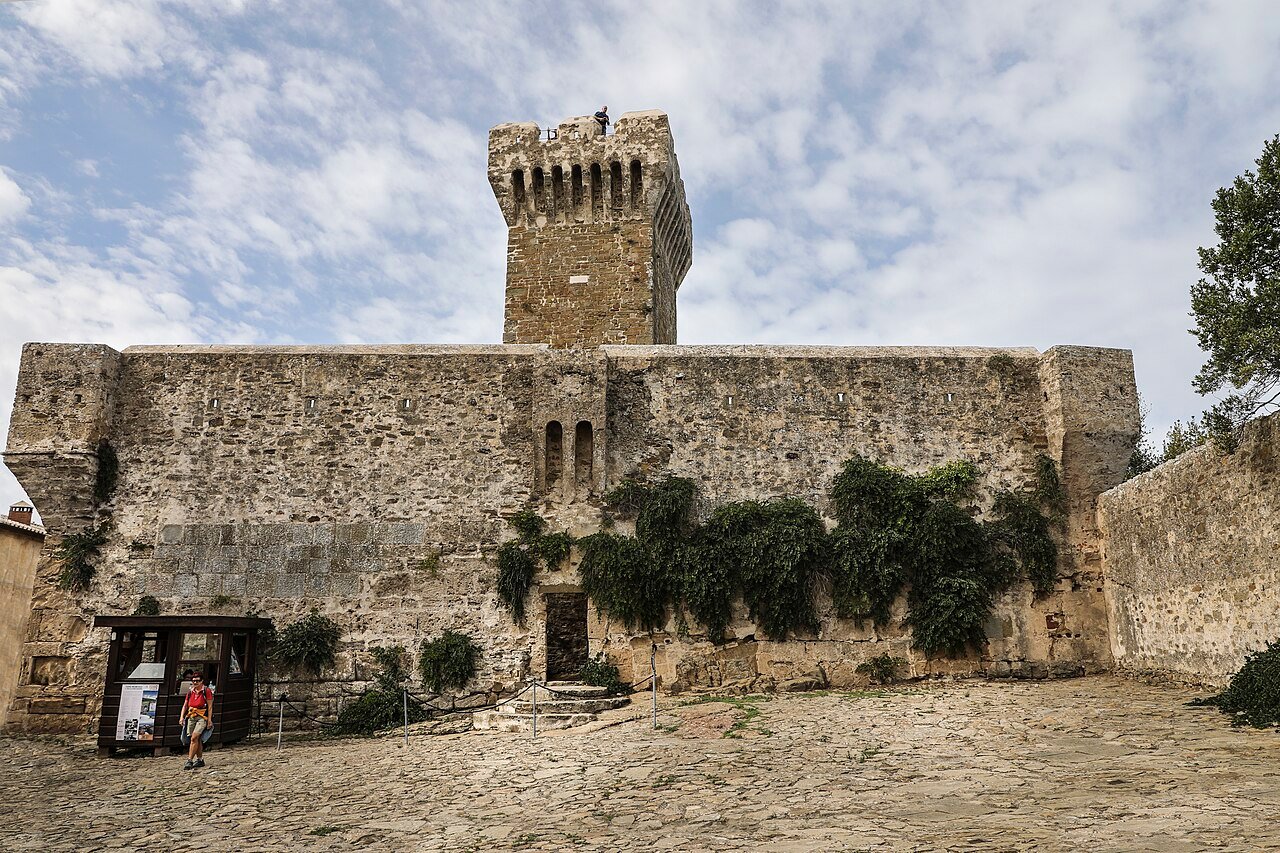
The castle of Piombino (province of Livorno, Tuscany) is the main defensive building remaining in the city, on the south-eastern height by the sea facing Elba. The Torrione and the Rivellino, by contrast, defended the Porta a Terra on the north side of the walls: the sources place them at different points of the circuit, which is why we tell their stories together but keep them distinct.
History of Piombino castle
The Pisan cassero
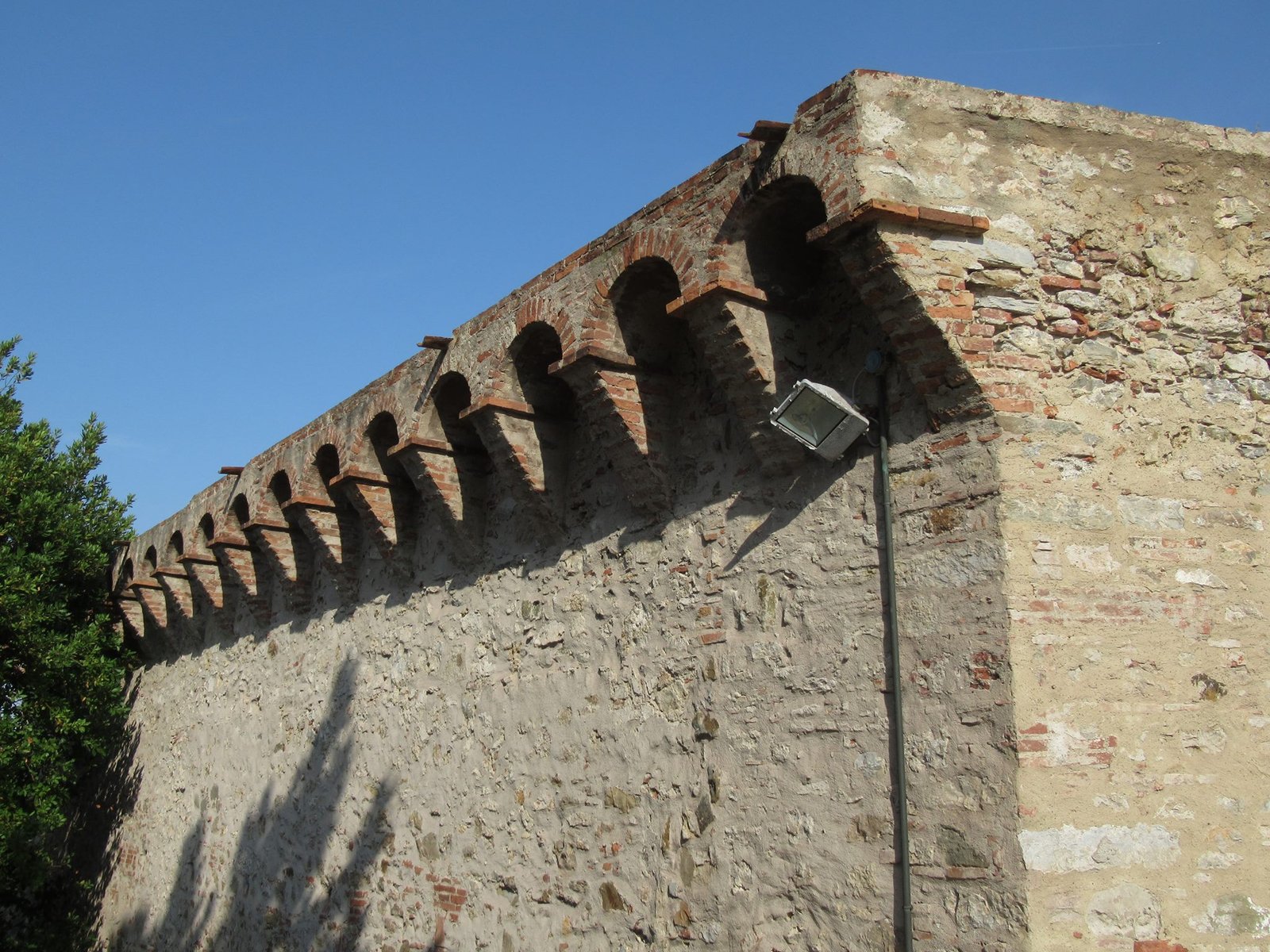
The castle was built by the Pisans in the 13th century as a “cassero”, a massive, almost cubic structure. Leonardo da Vinci worked on the city’s defences around 1502 and in 1504 (La Toscana di Leonardo).
The Medici fortress
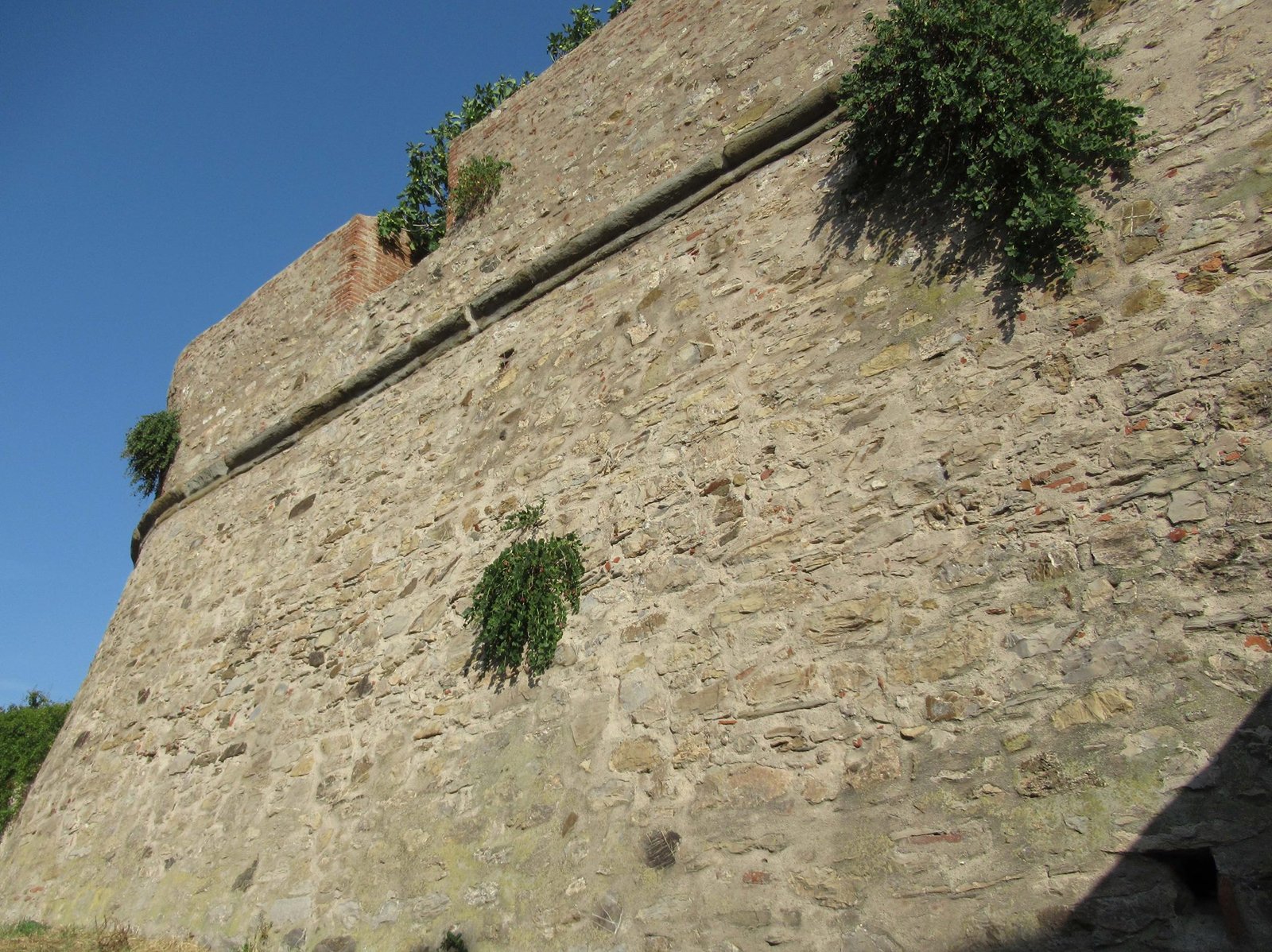
Between 1552 and 1557, under Cosimo I de’ Medici, Giovanni Battista Belluzzi added the star-shaped bastions and the castle became the Medici Fortress. It was restored and excavated between 1999 and 2001.
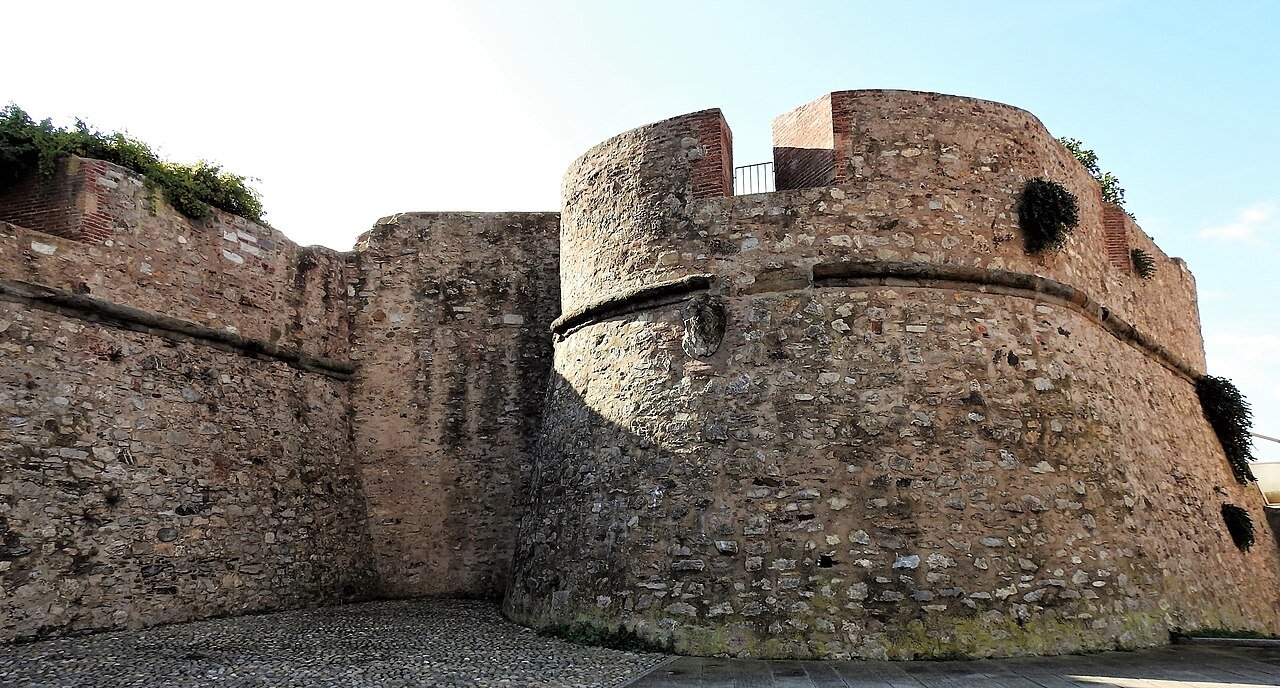
Torrione and Rivellino
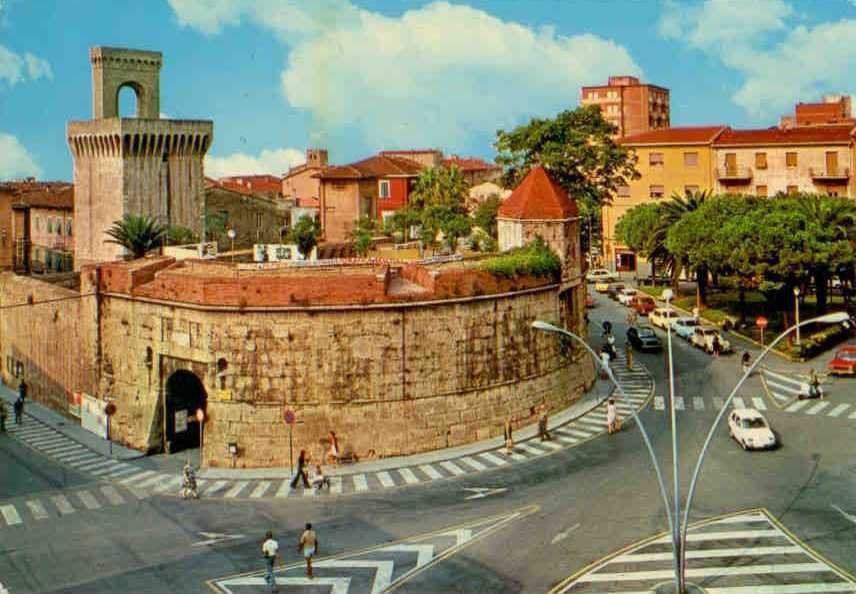
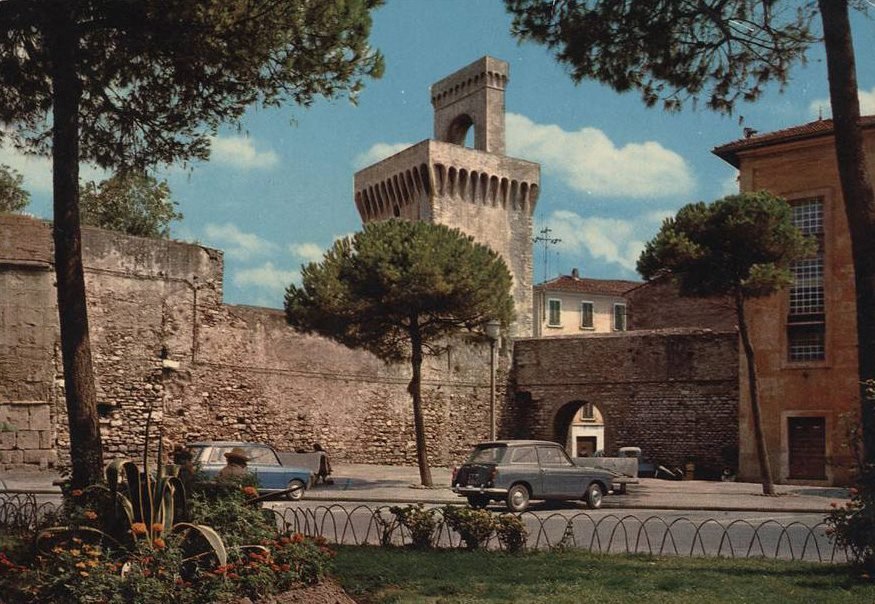
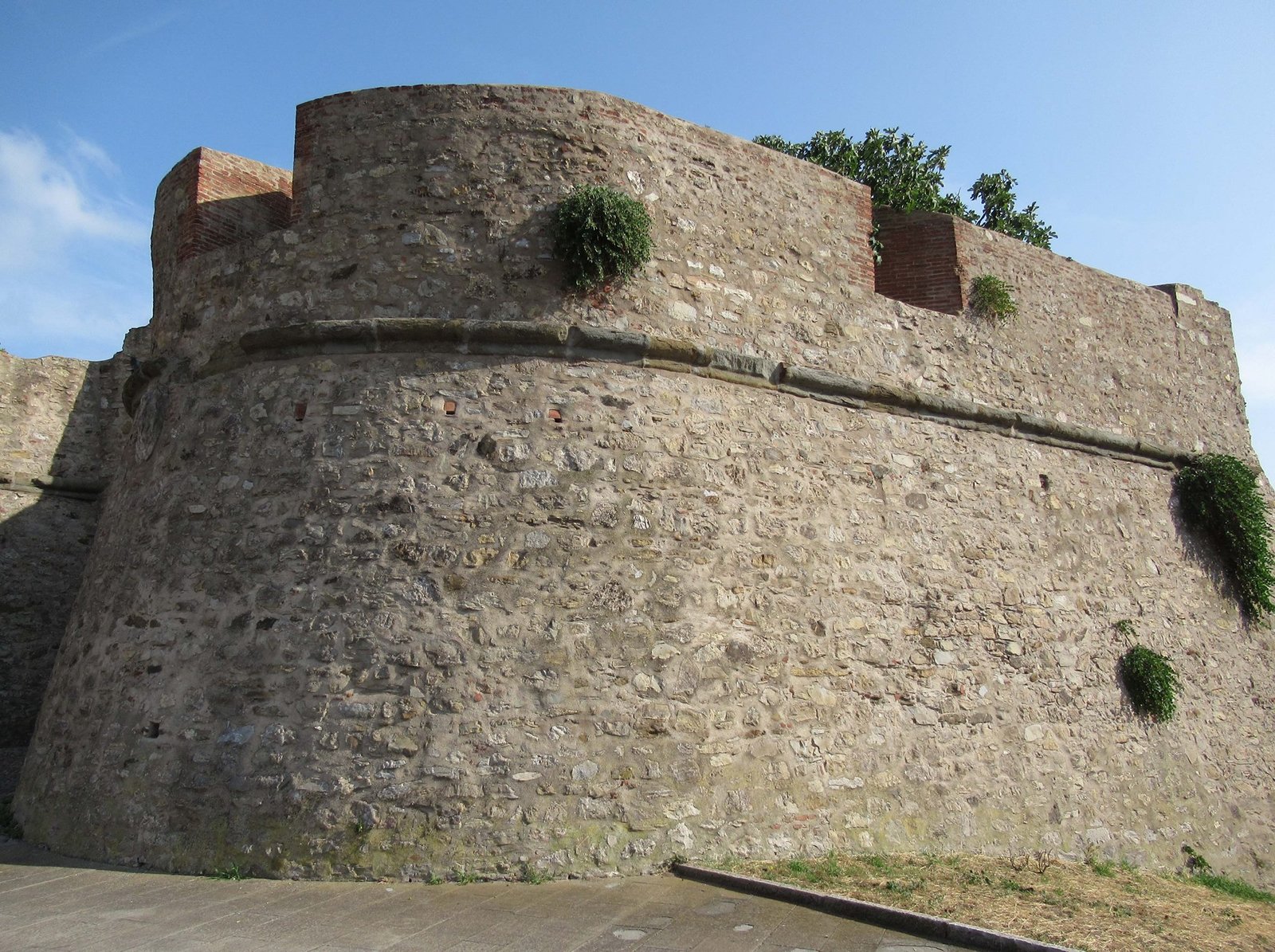
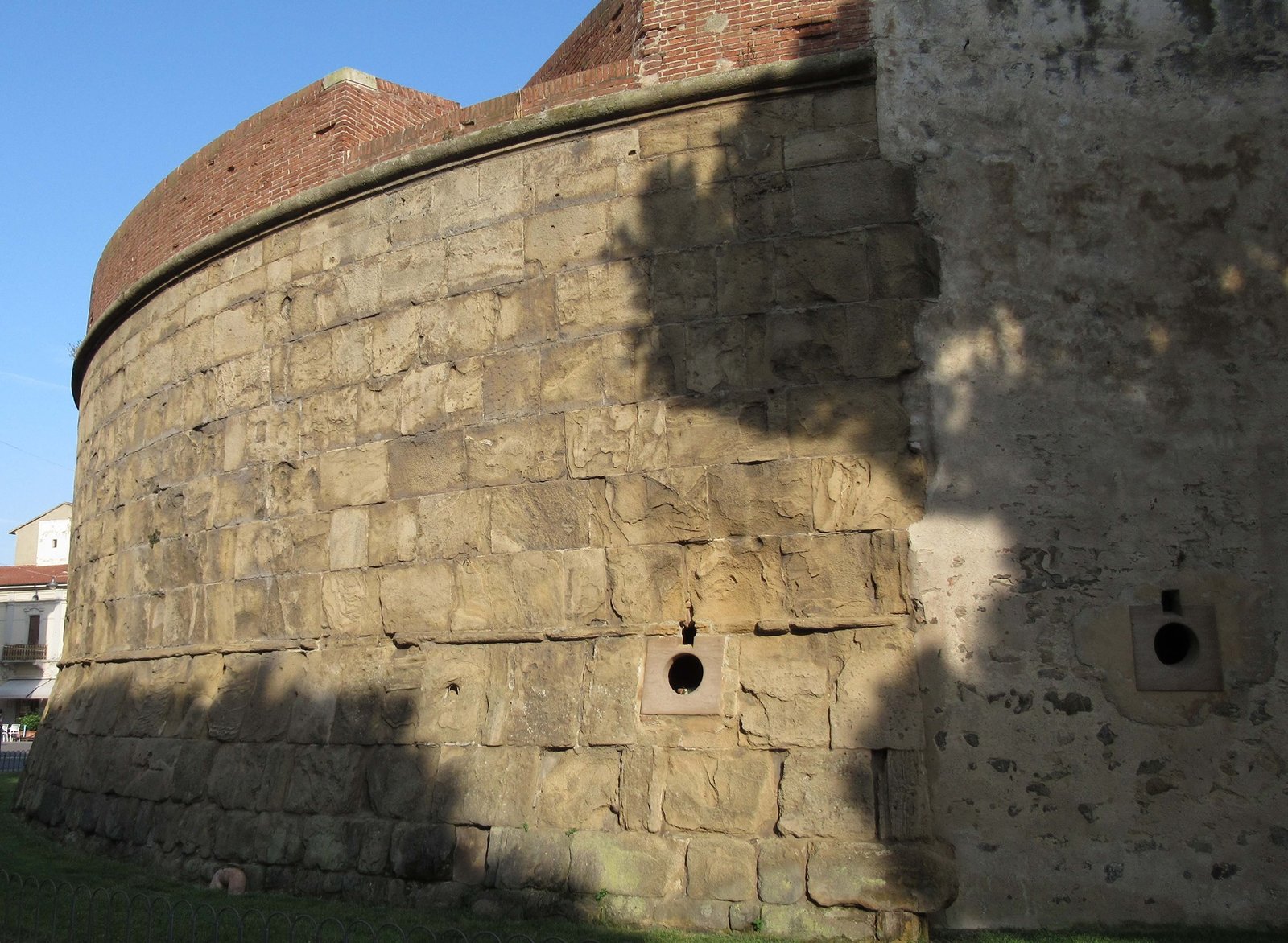
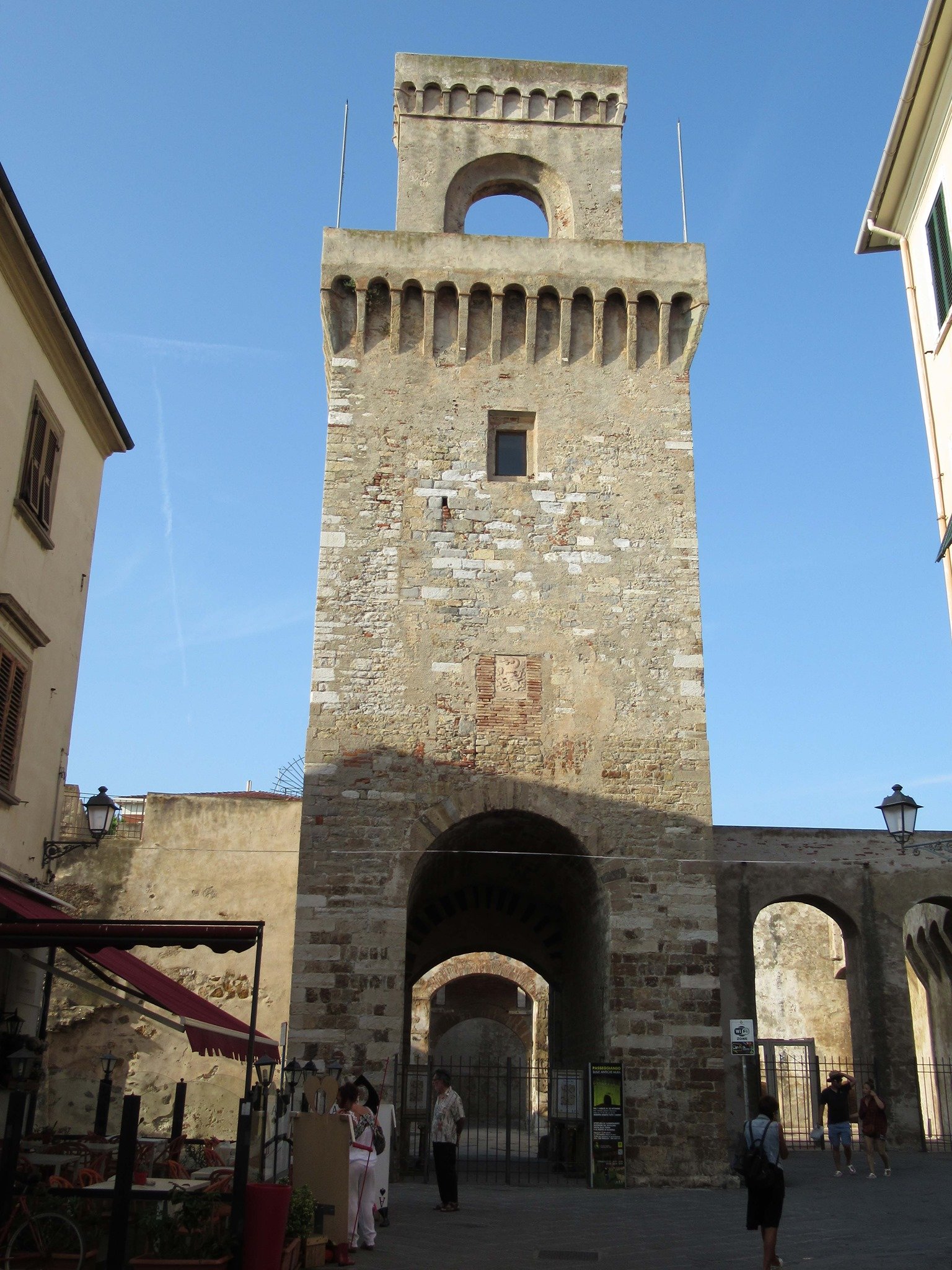
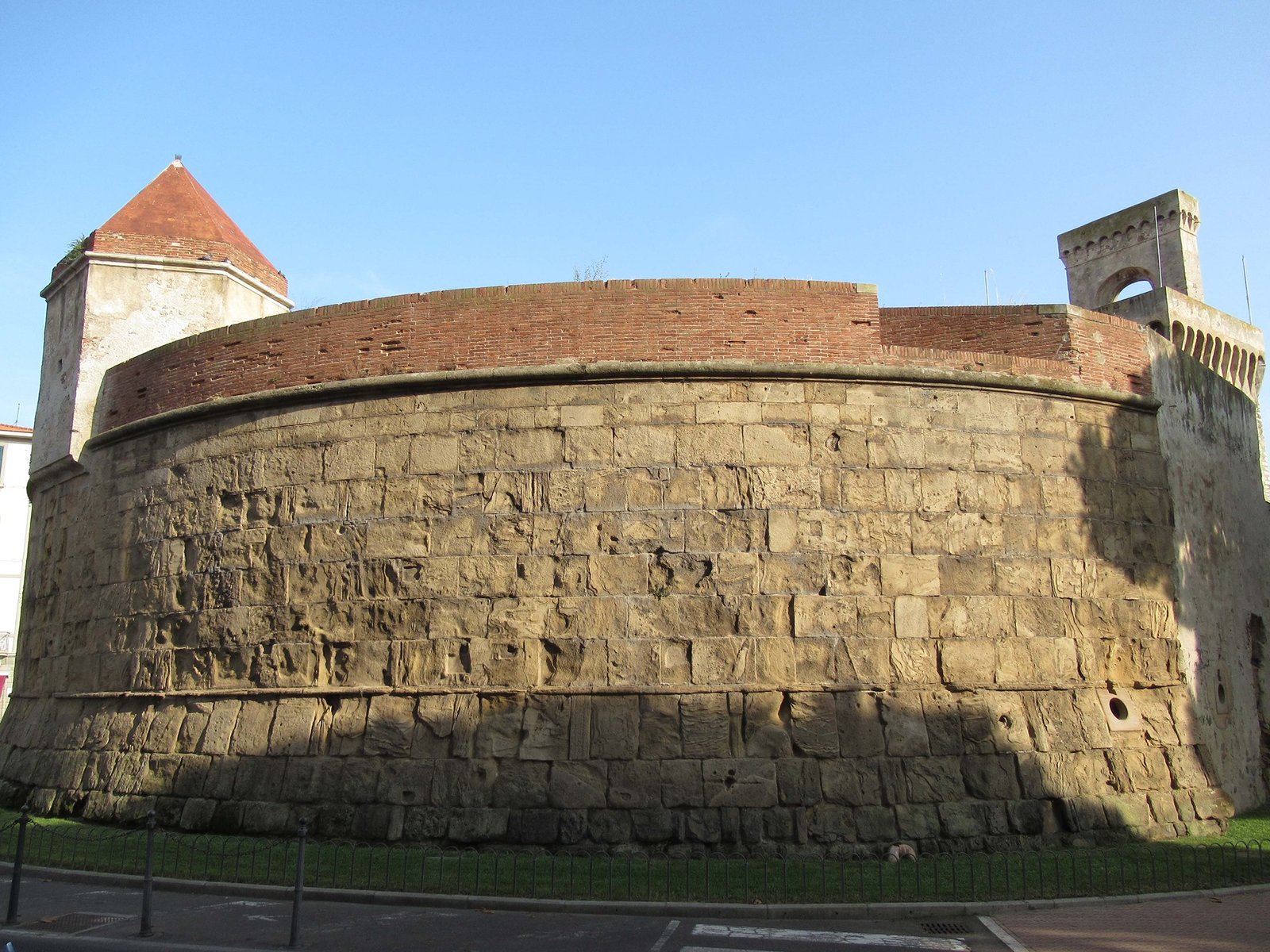
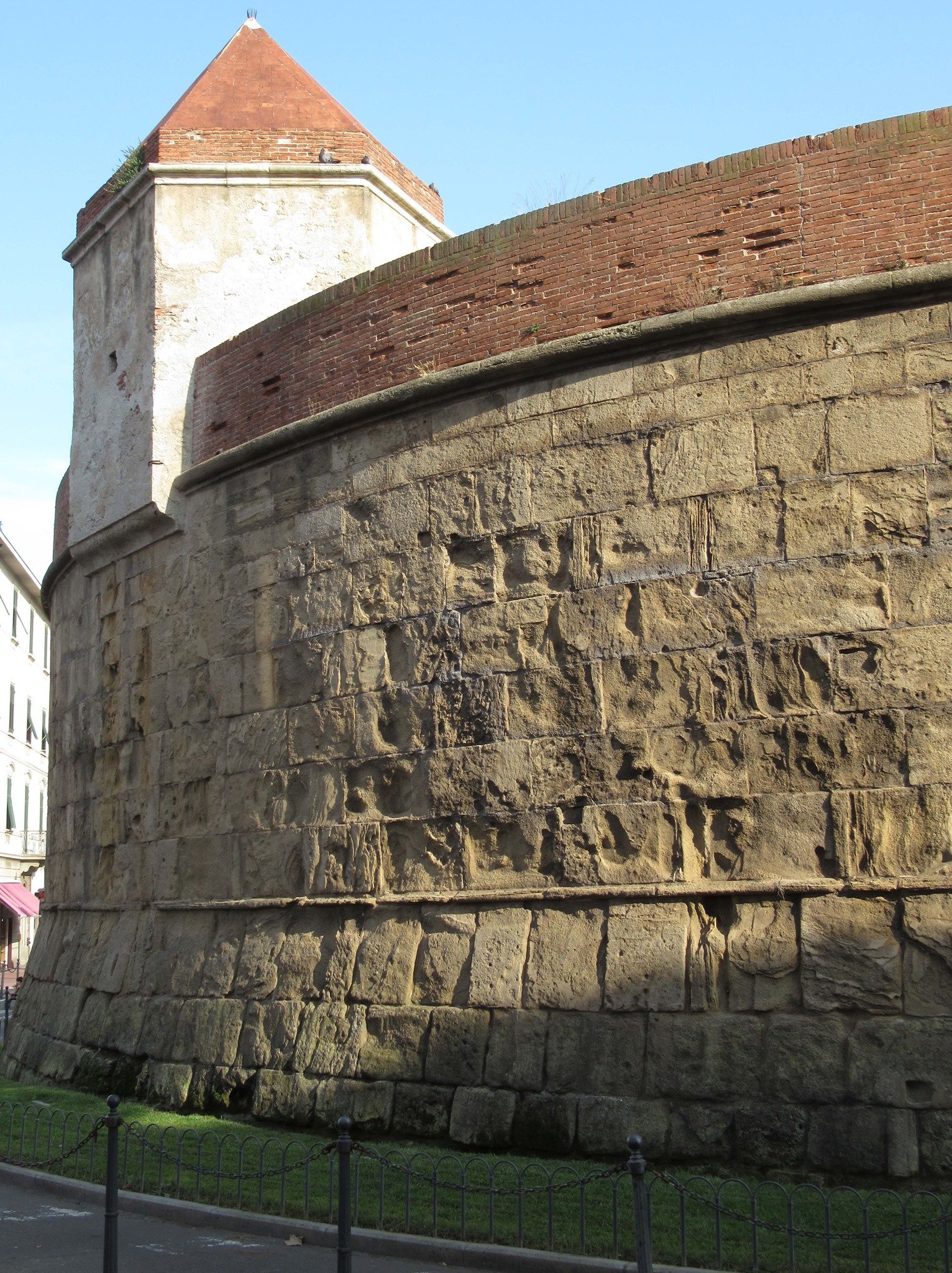
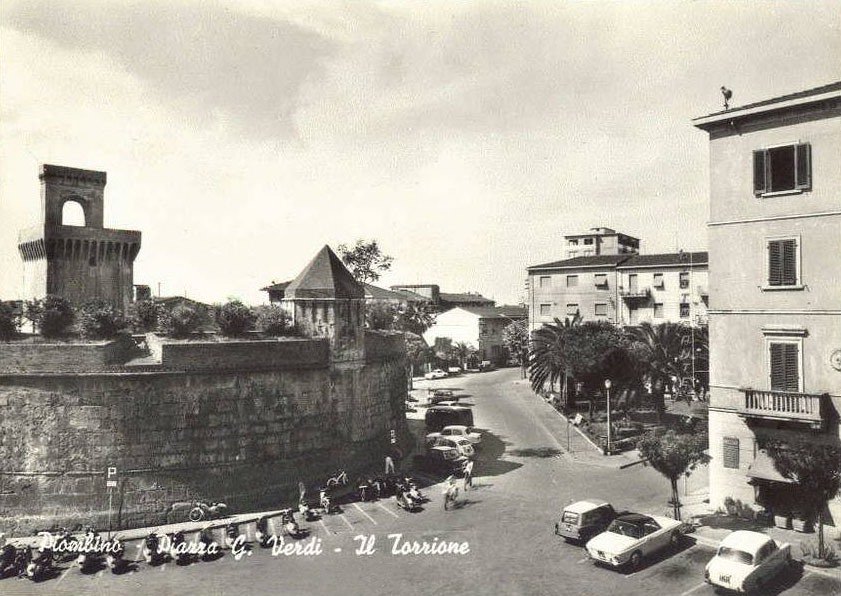
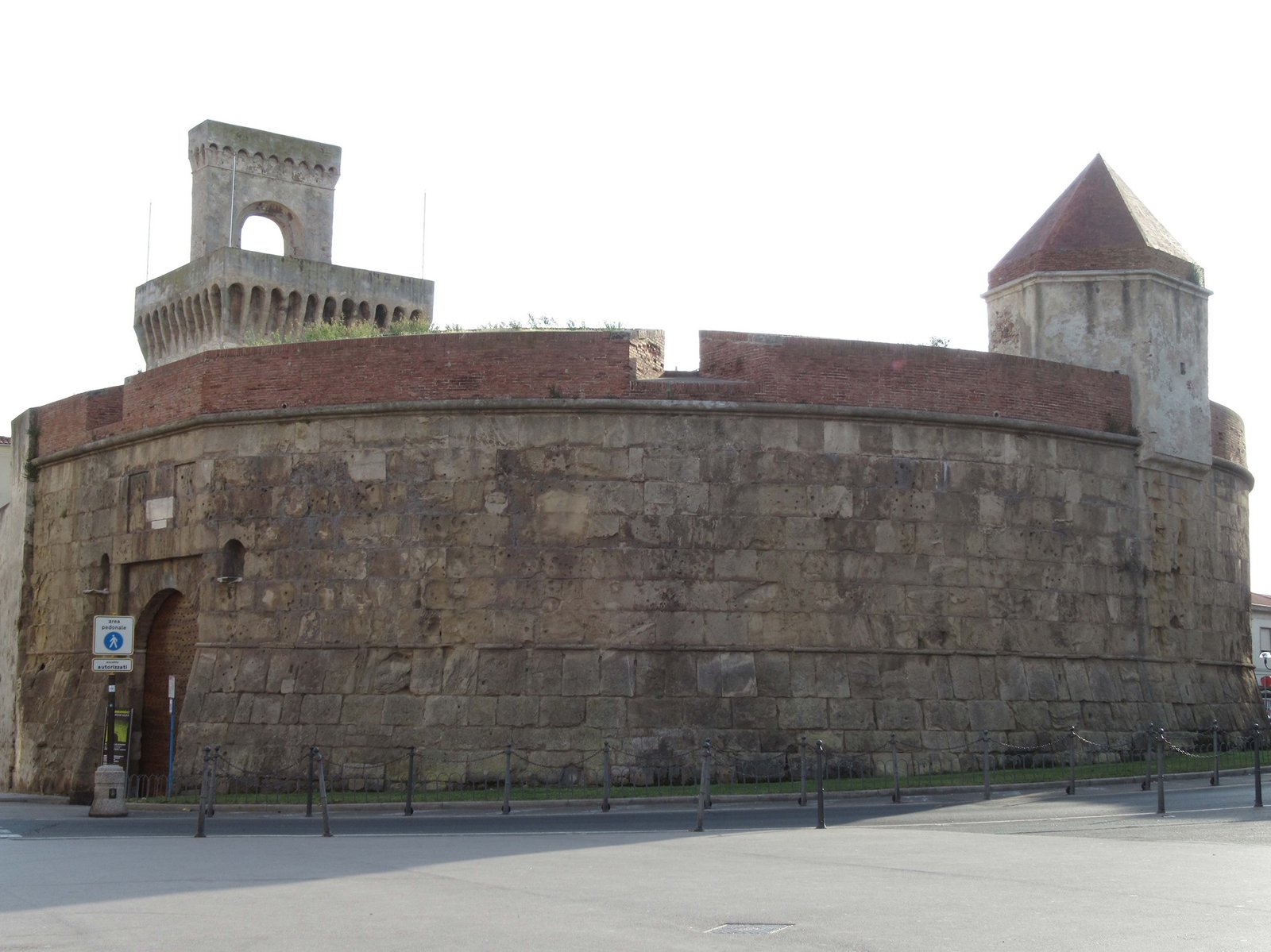
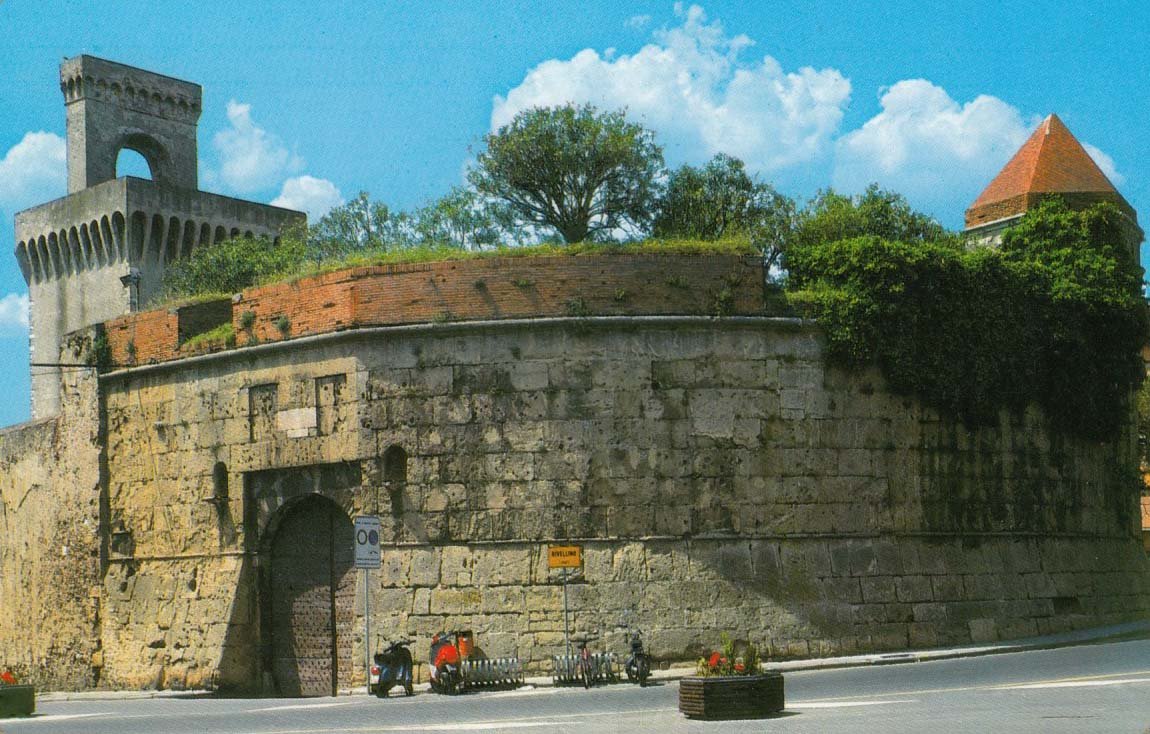
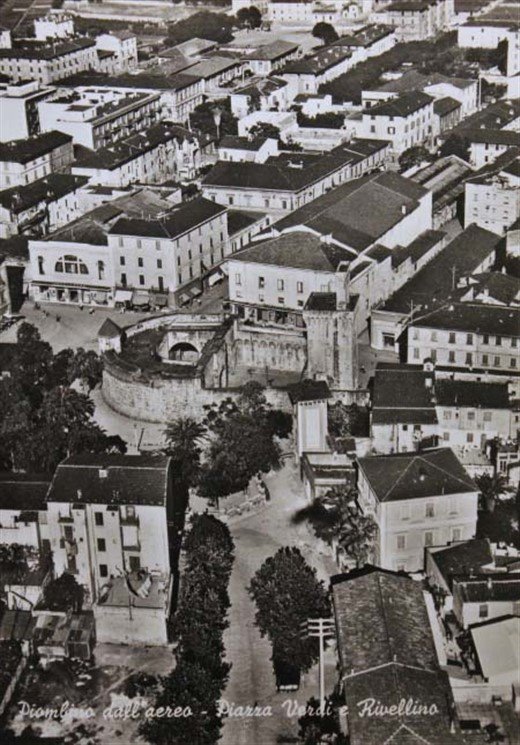
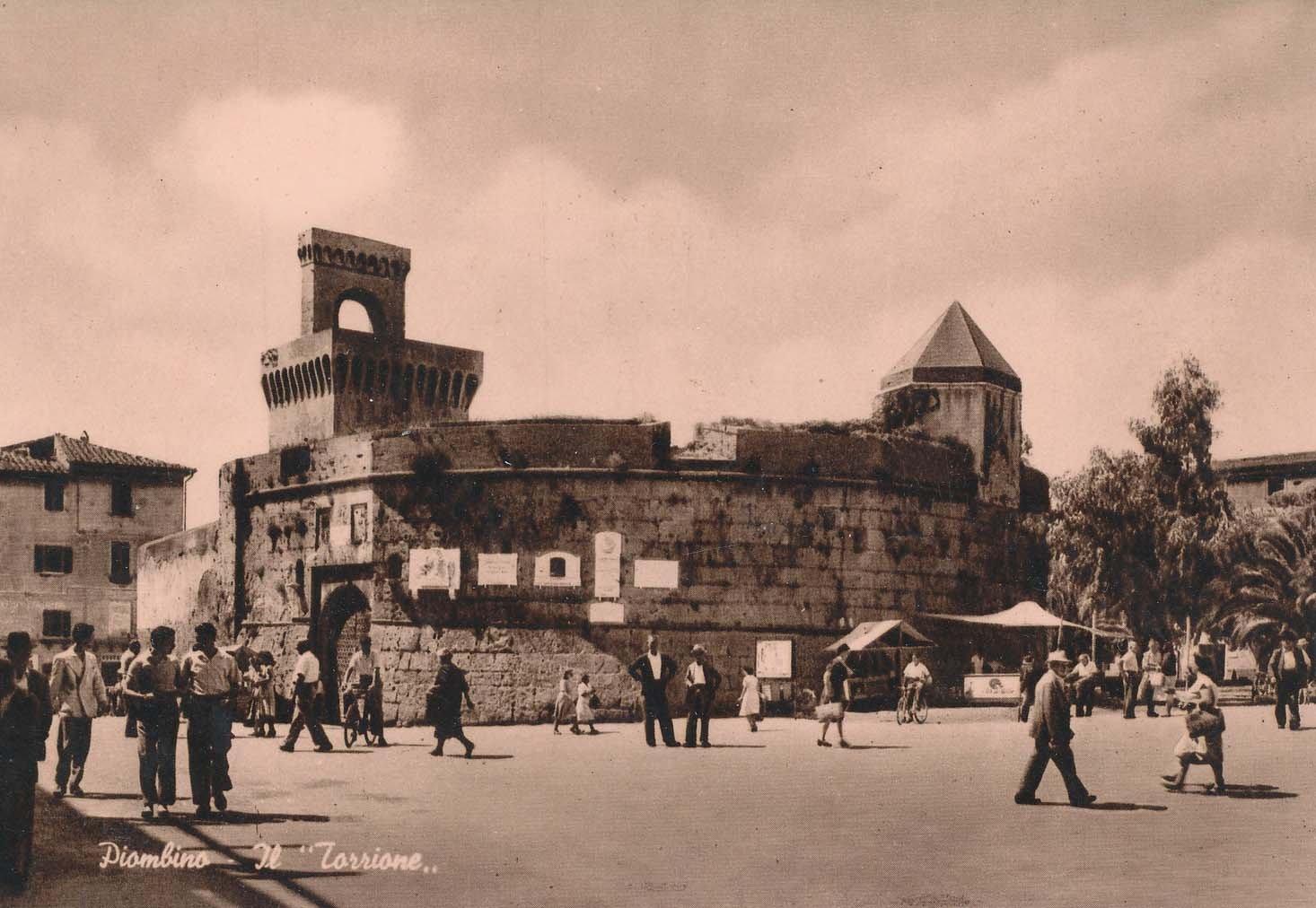
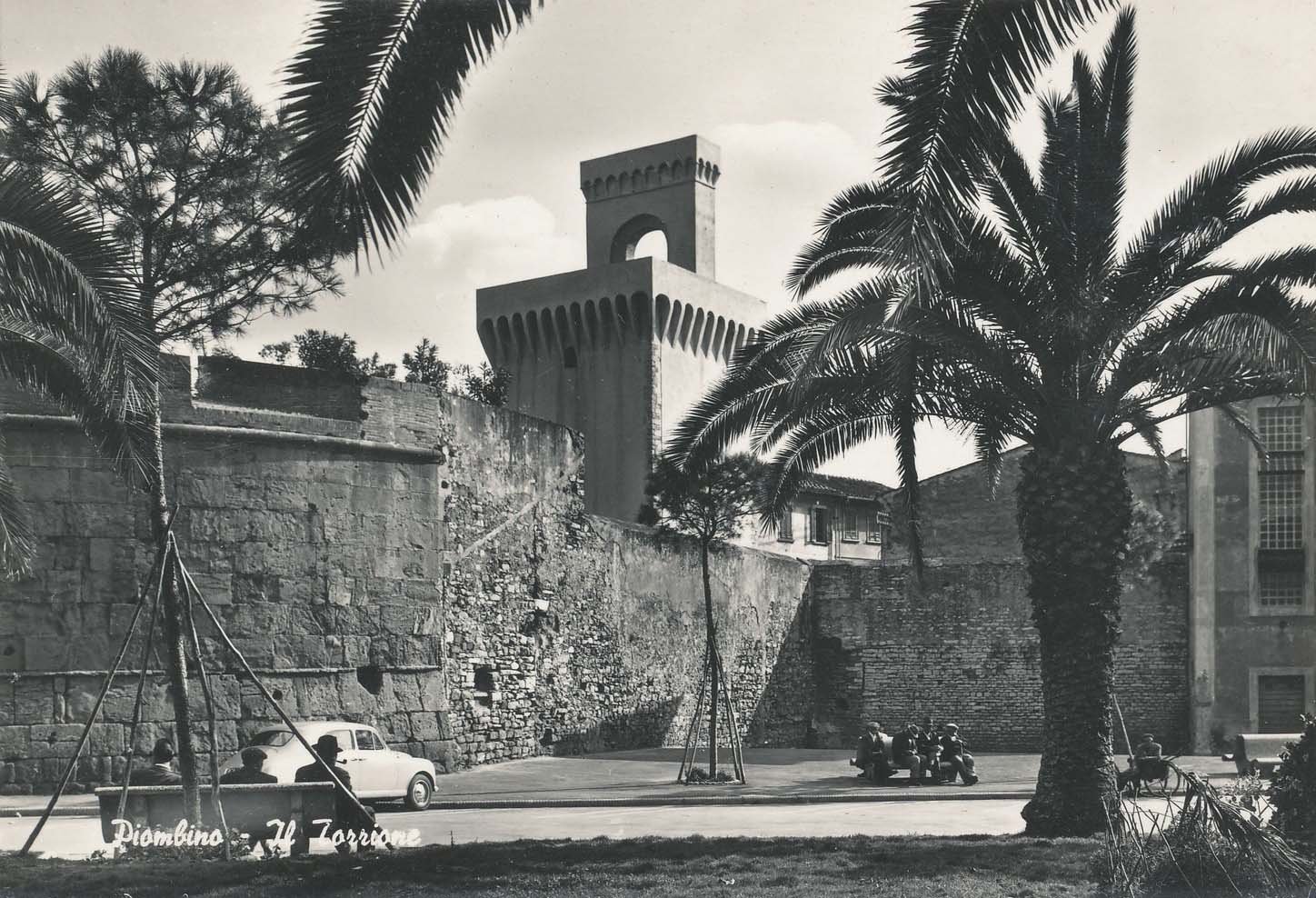
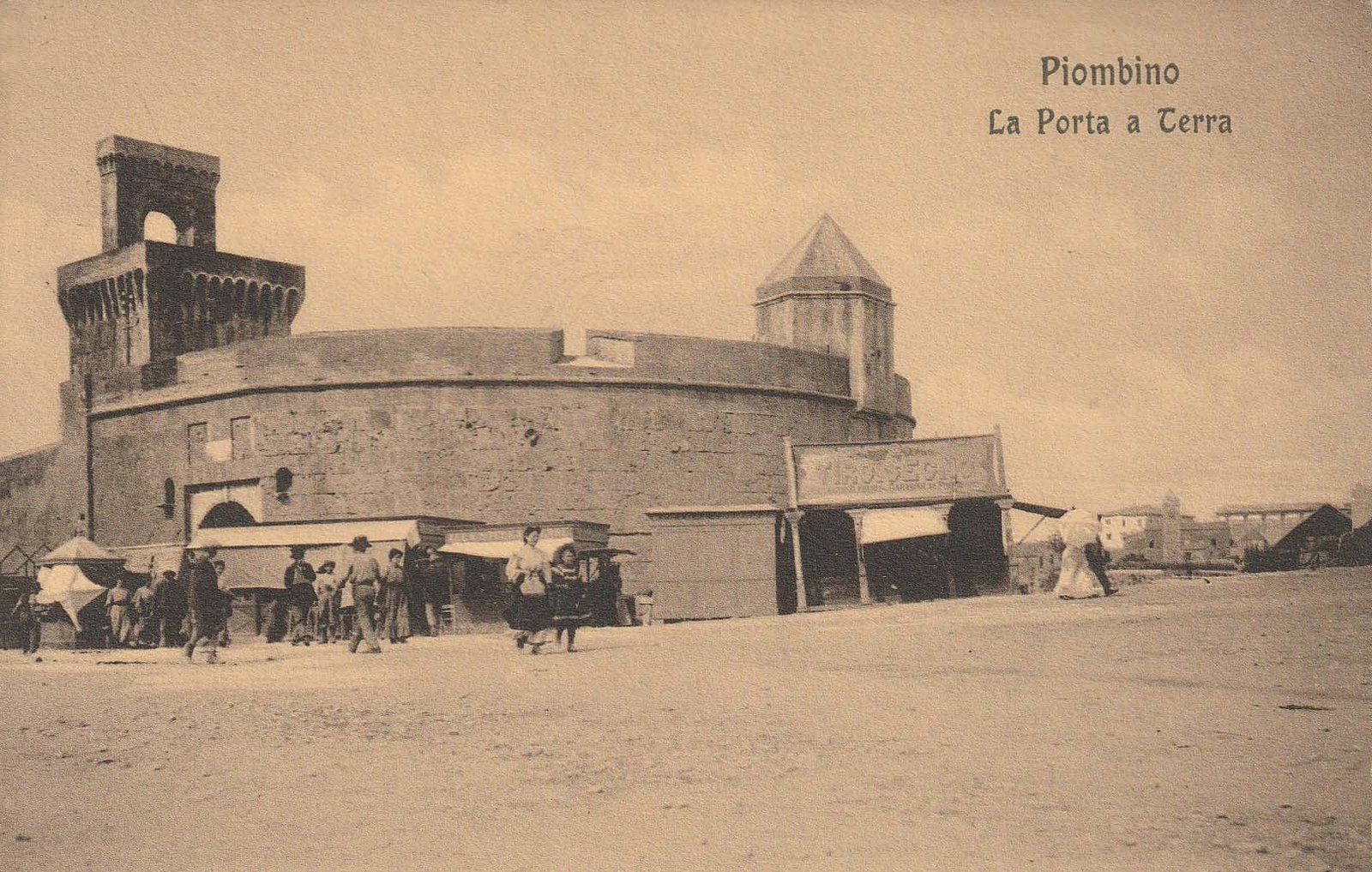
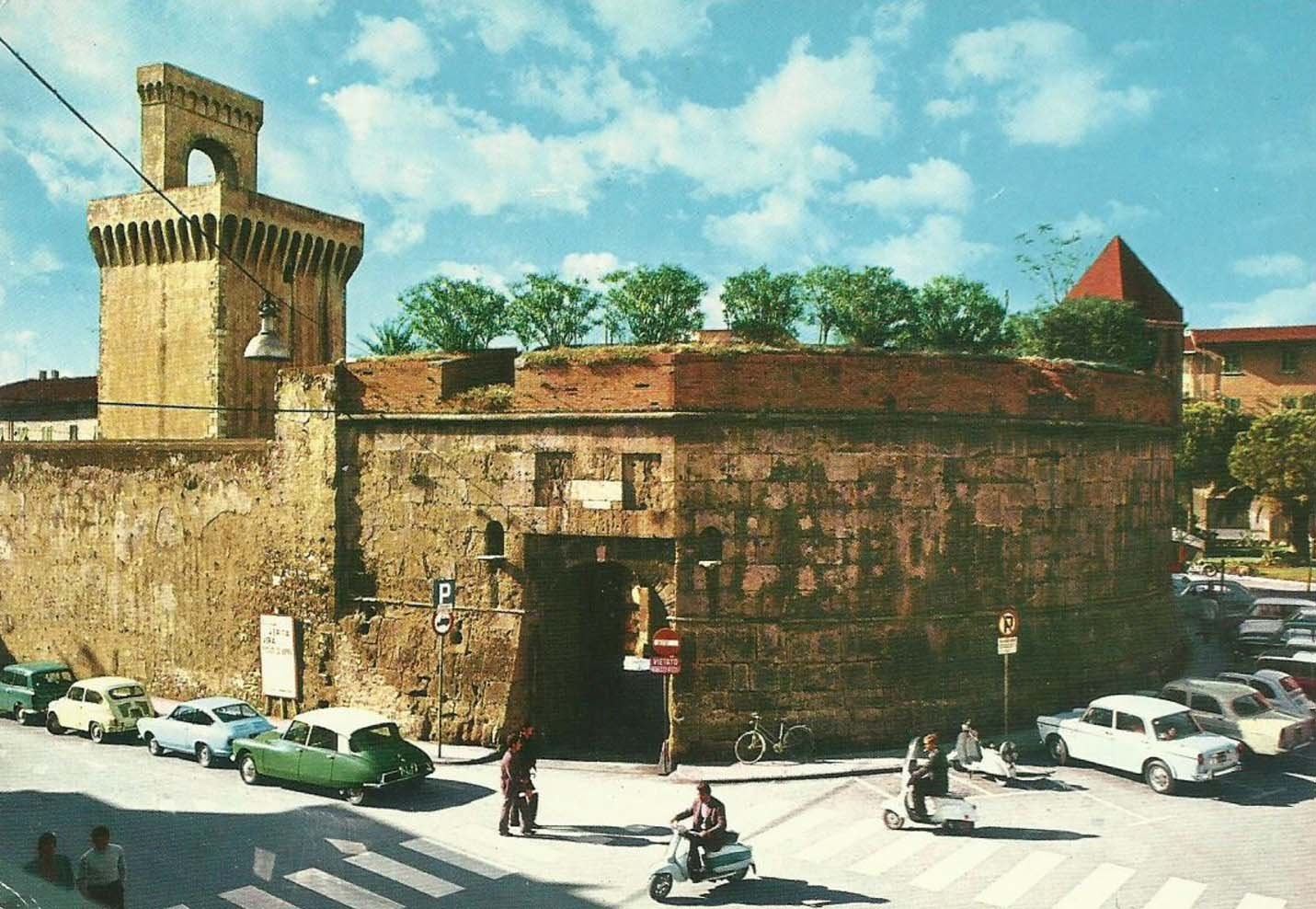
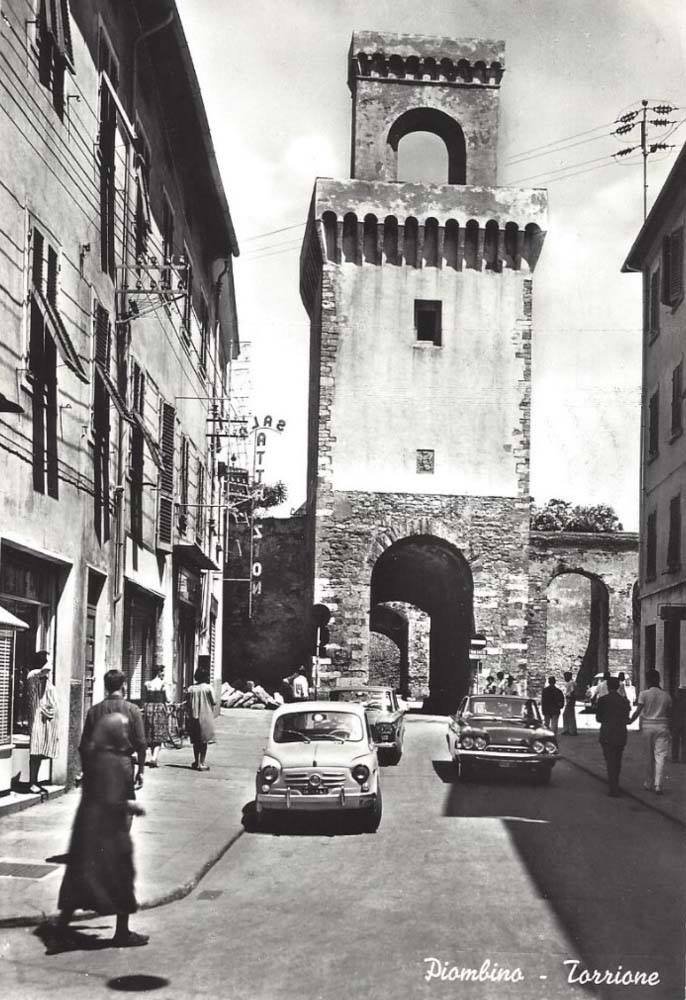
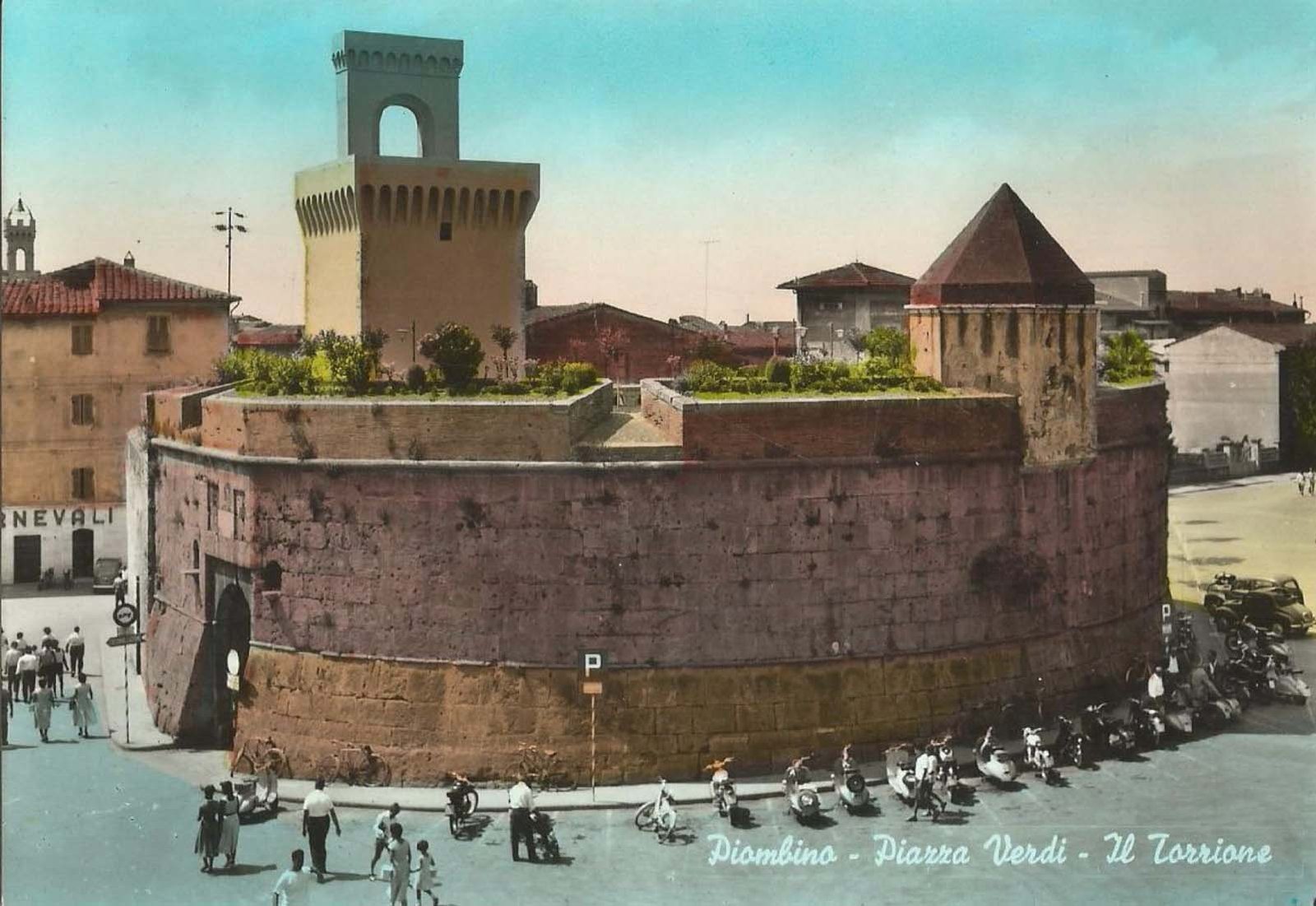
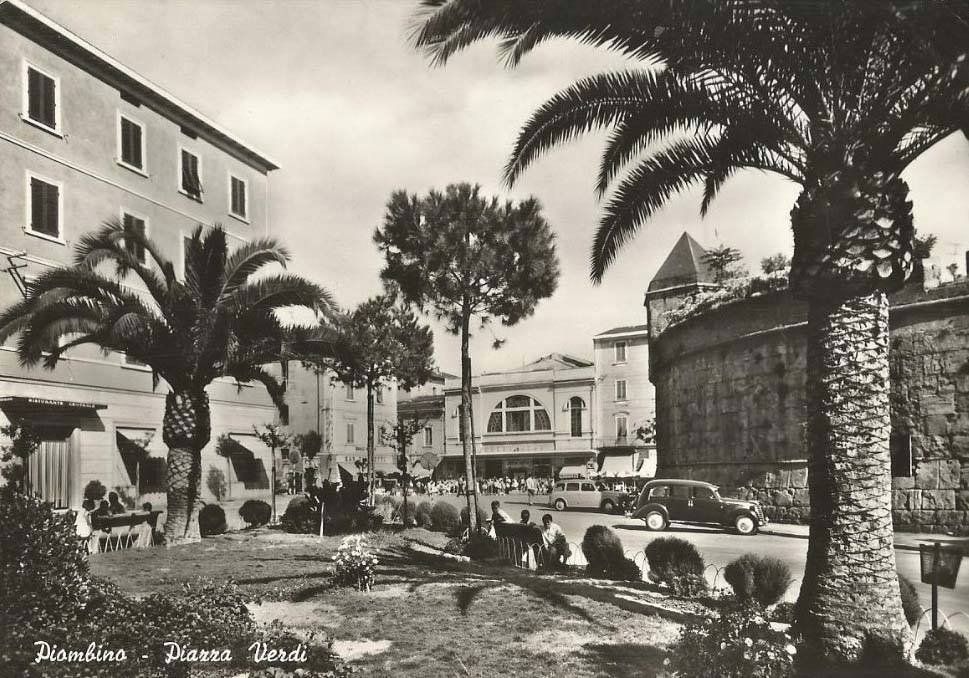
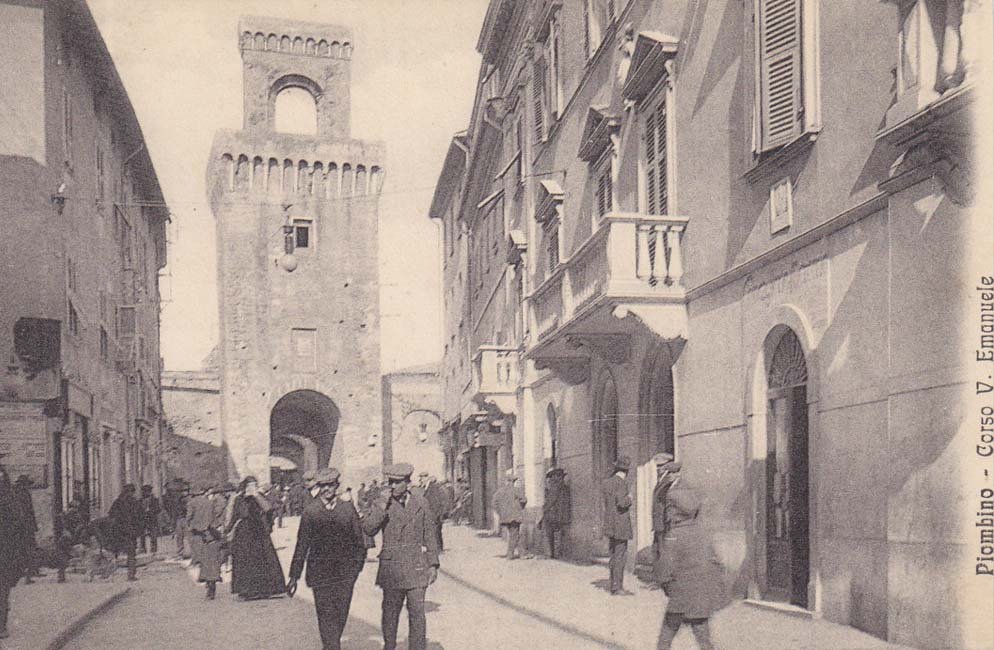
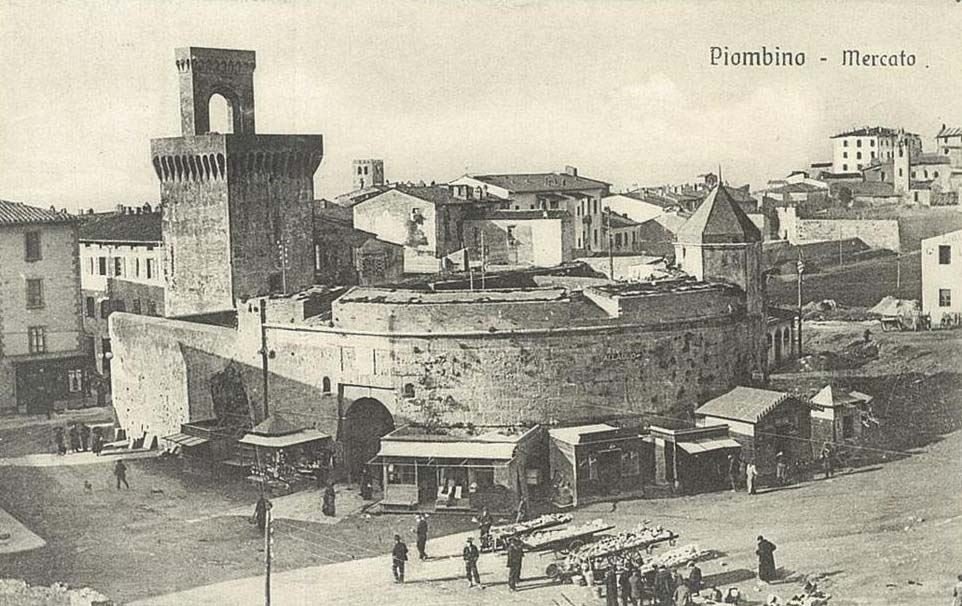
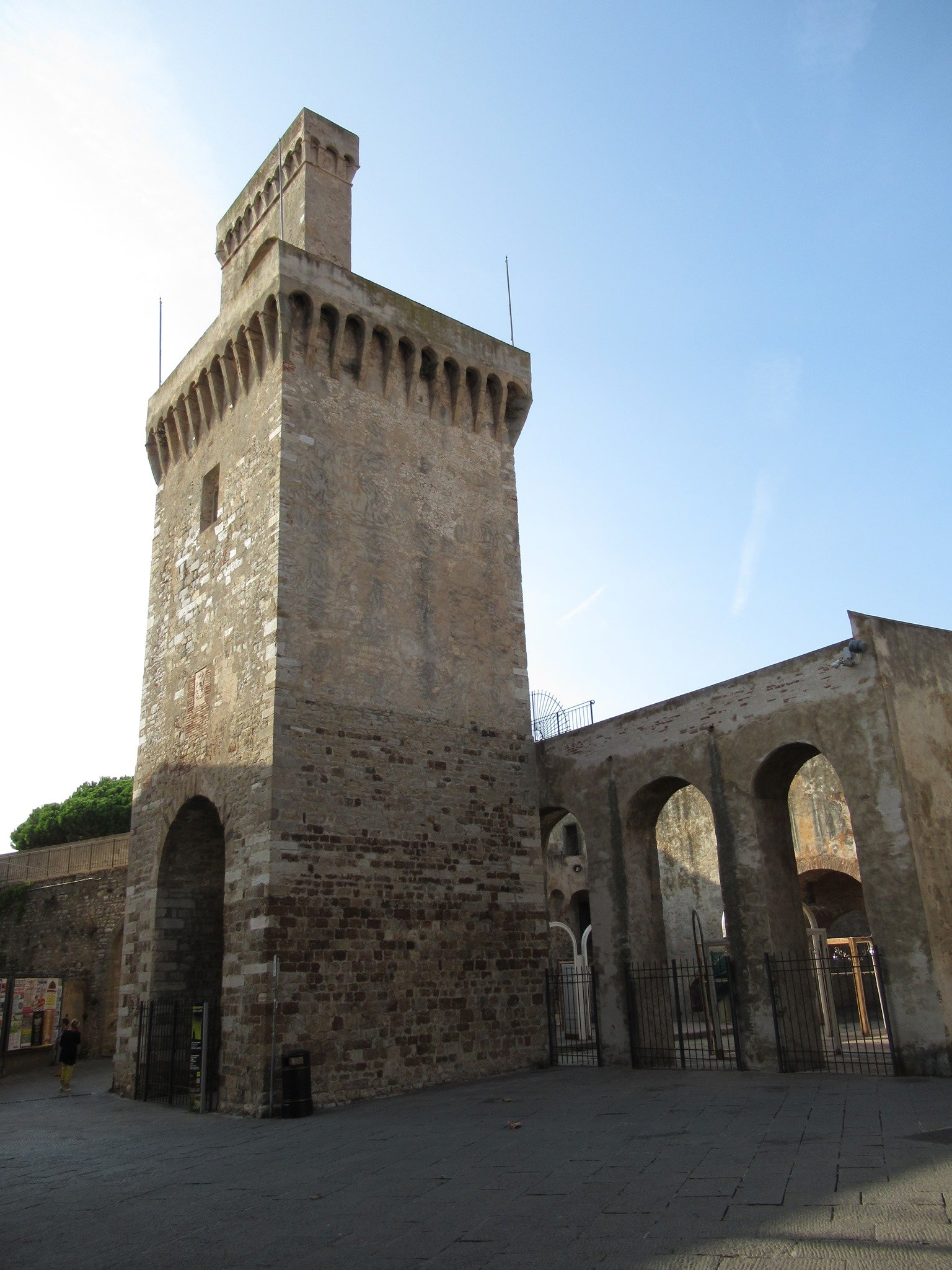
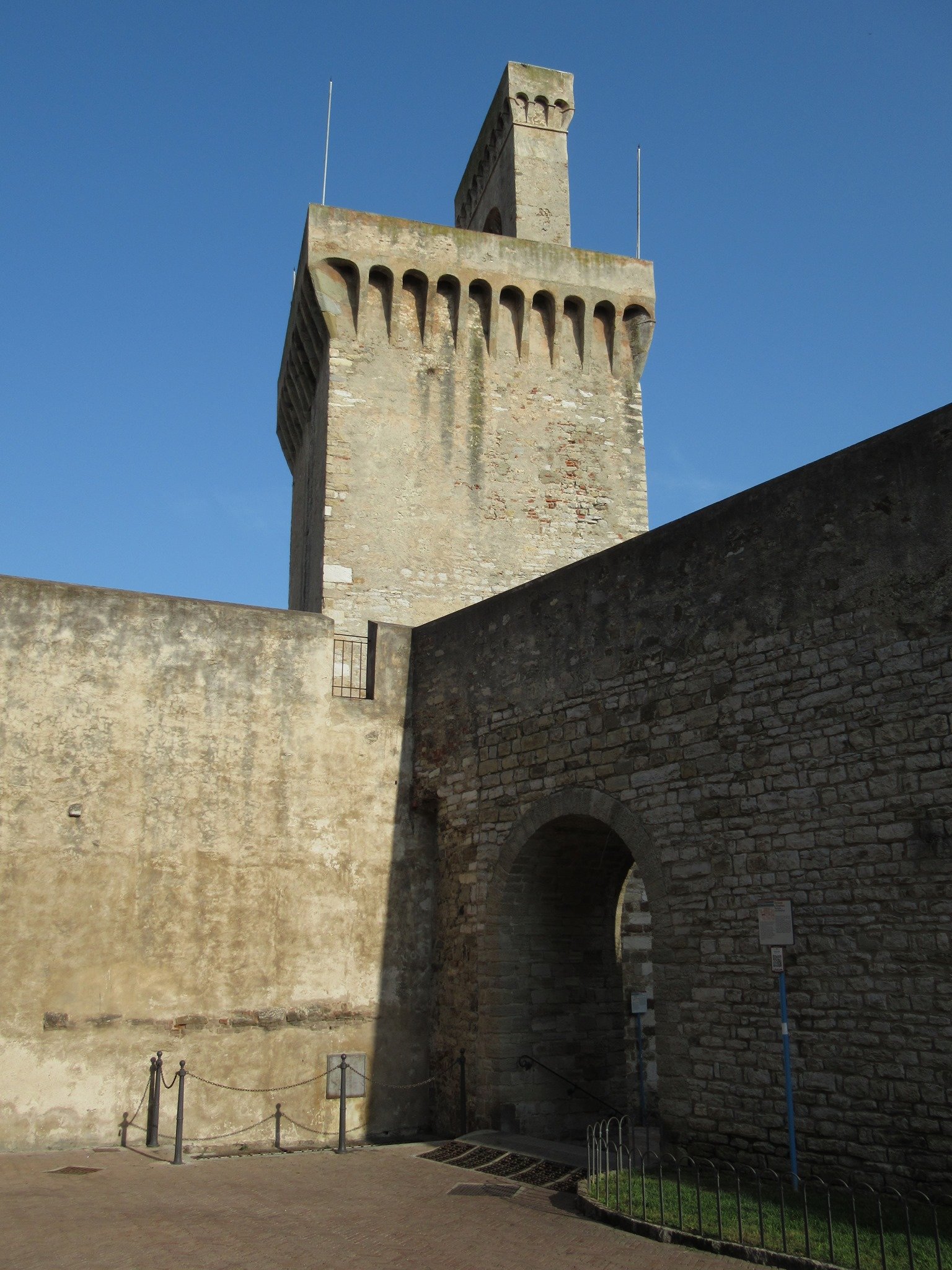
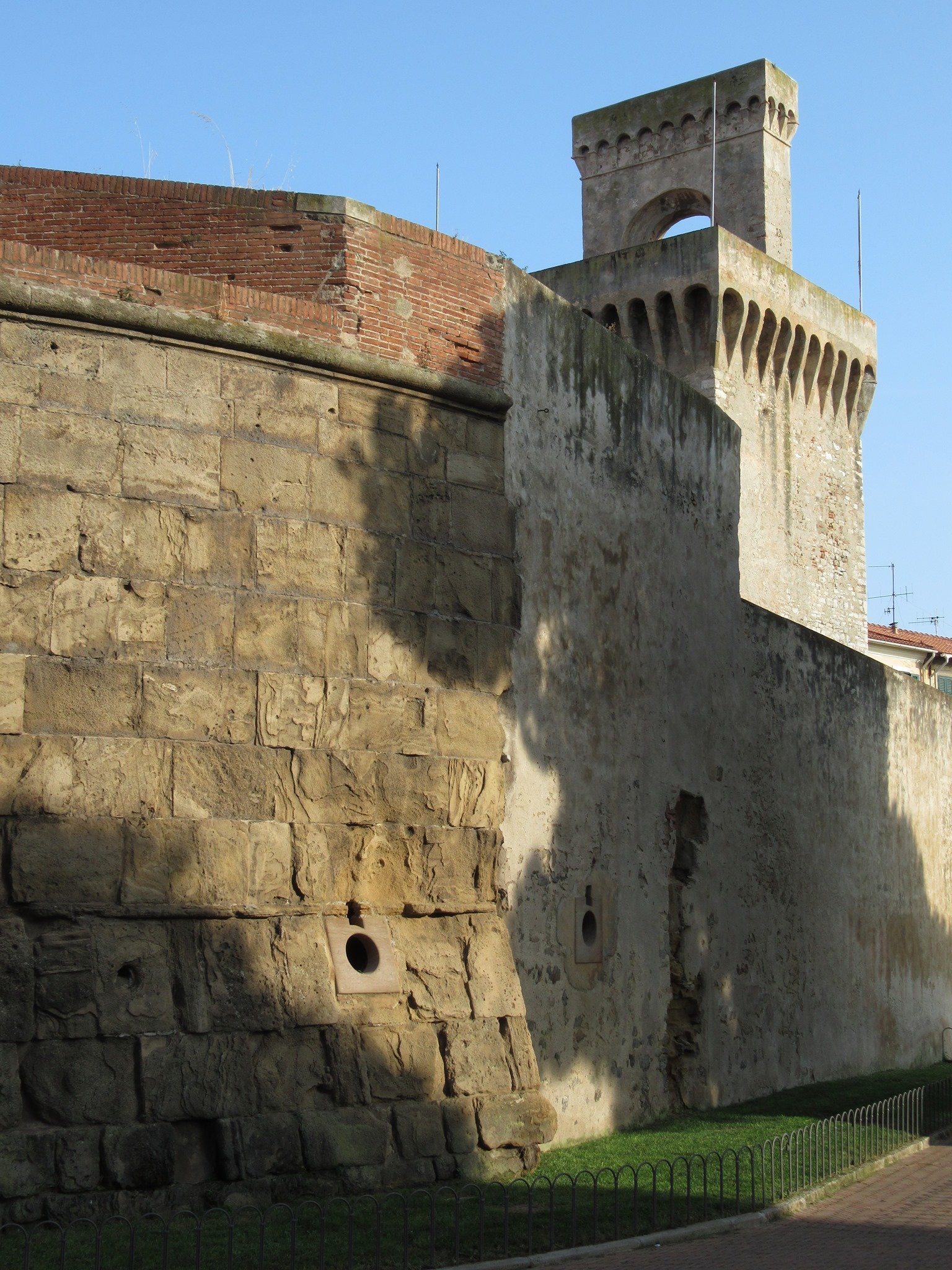
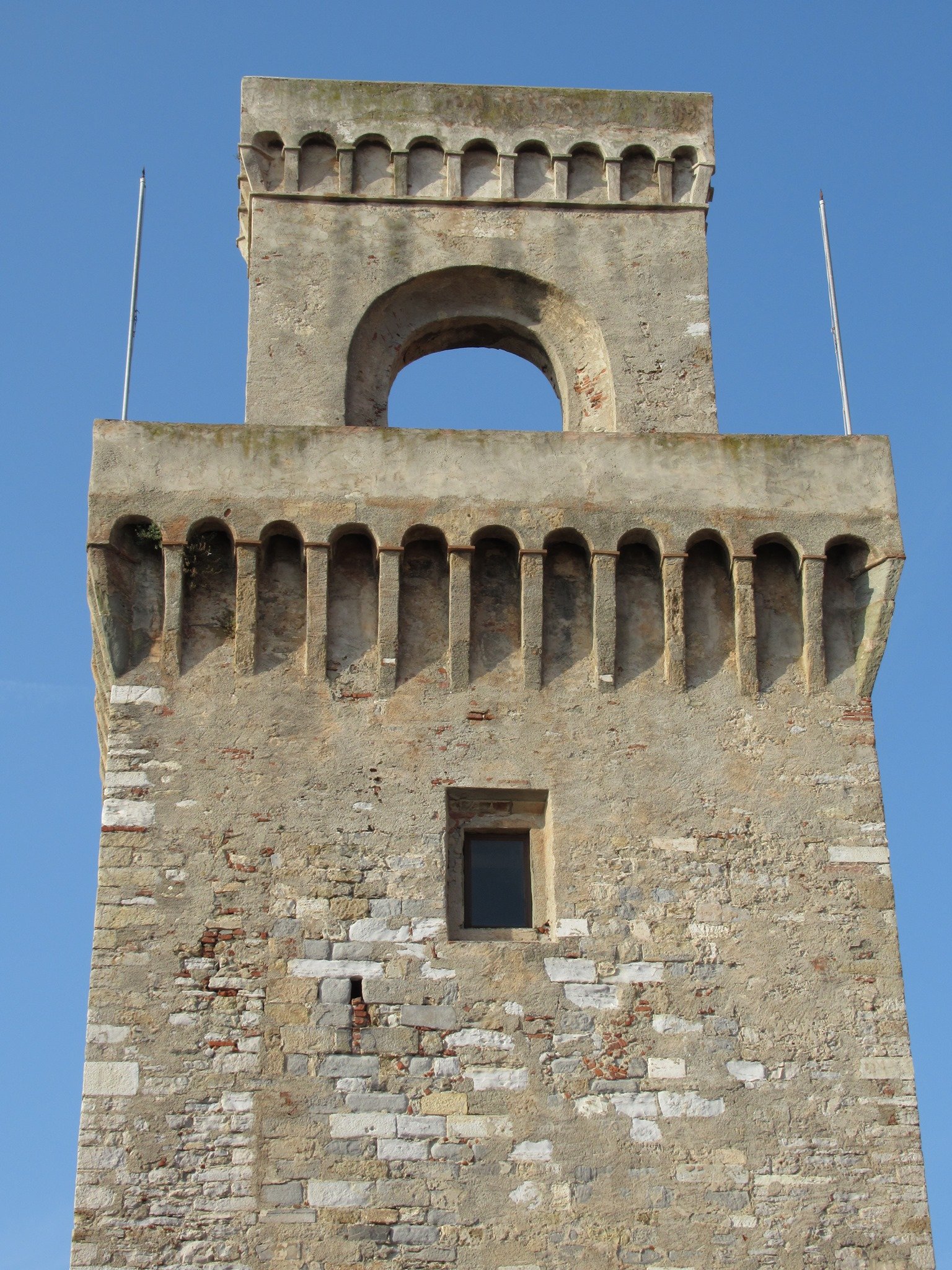
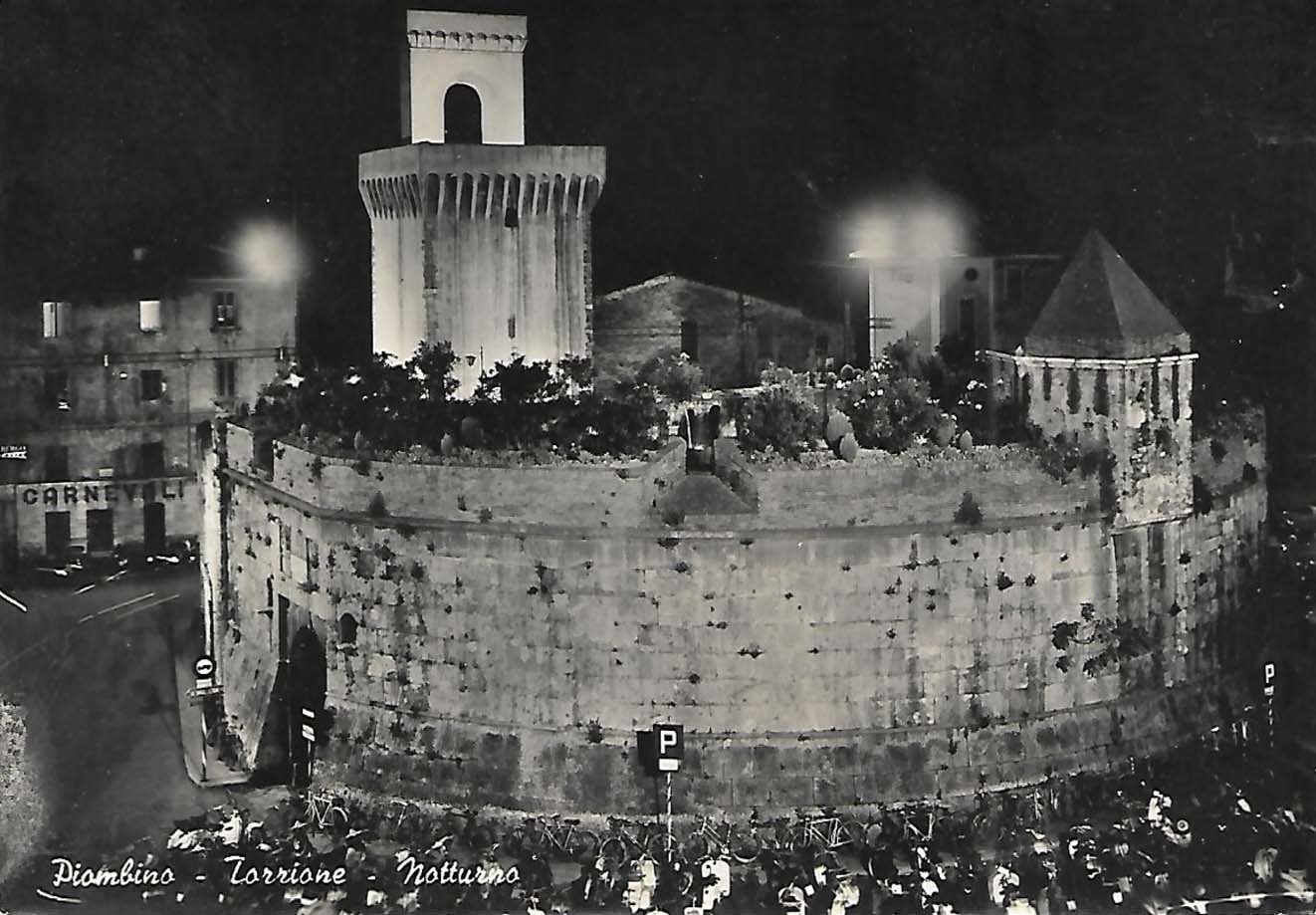
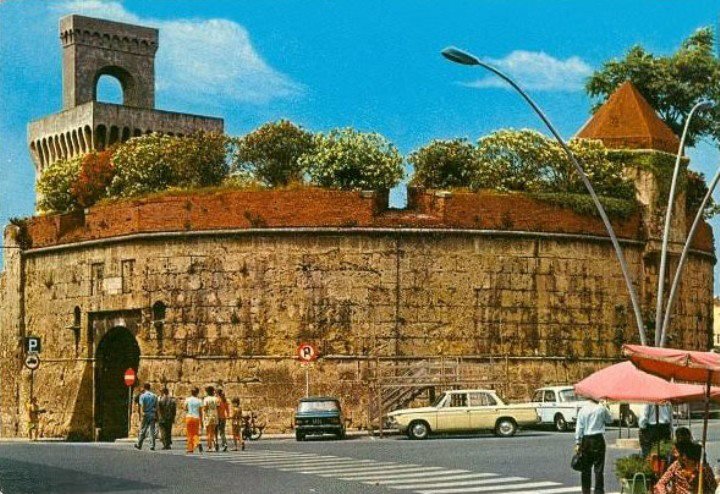
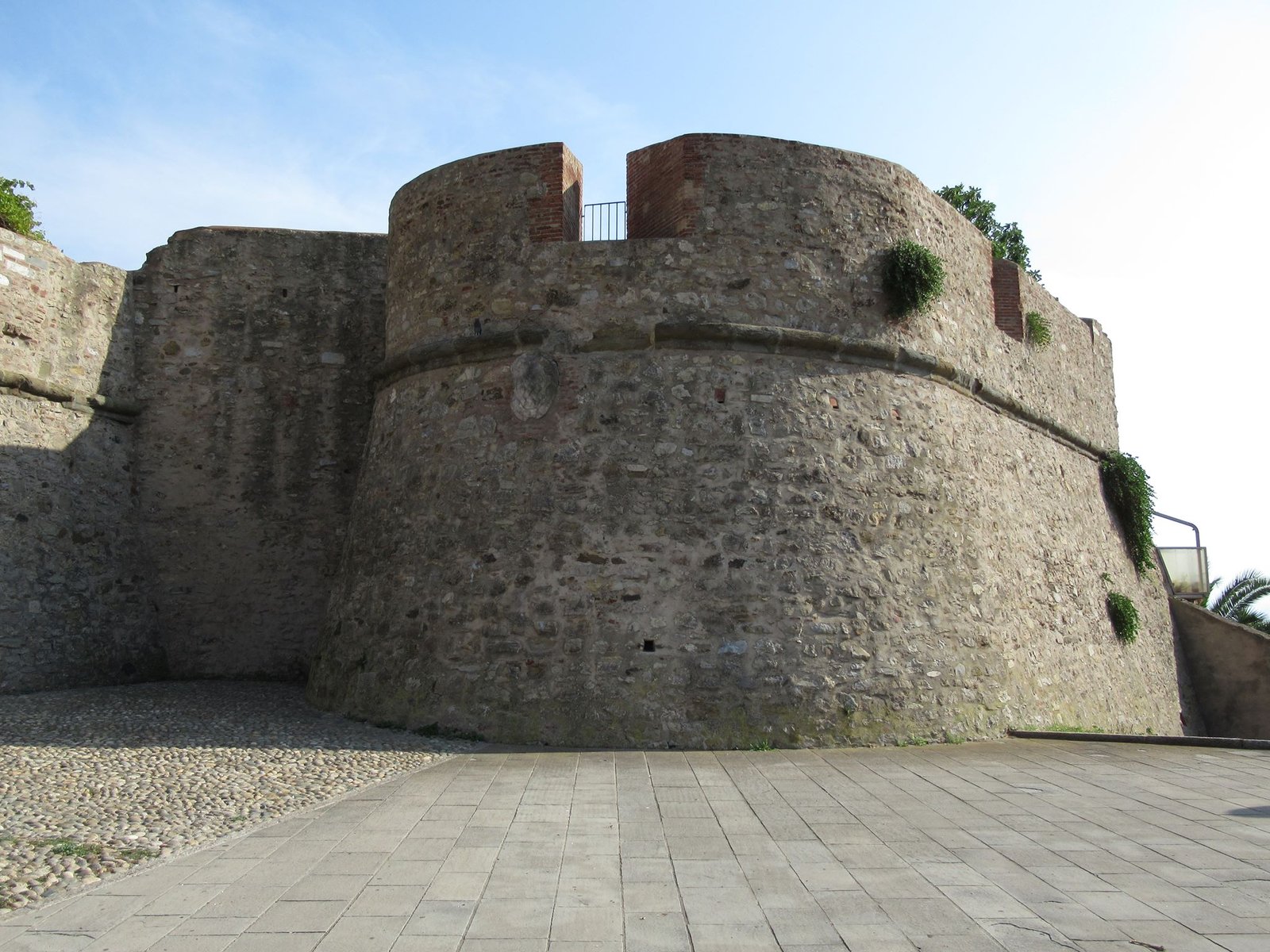
The Torrione, also called the tower of Sant’Antonio, was the city’s first defensive bulwark; in the wall there is an Appiani coat of arms dated 1475. The Rivellino, semicircular, was built in 1447 at the request of Rinaldo Orsini in front of the Porta a Terra, with a moat and drawbridge; in the 16th century it was raised. In 1883 part of the walls between the castle and the Rivellino was demolished to create an open space.
What to see
The castle houses the Museo del Castello e della Città: on the ground floor 13th-century finds (tableware, buckles, coins, arrowheads), on the second floor the history of Piombino in the Resistance and the 20th century. Visittuscany speaks of the castle museum and medieval ceramics, with over 600 13th-century ceramics and a section on Leonardo. The Torrione and Rivellino can be seen along the walls, at the north entrance of the historic centre.
Where it is and how to get there
The museum is at Via del Castello 8 (visittuscany); museionline gives Piazza Sant’Anastasia. How to get there (road, train) and surroundings: to be confirmed; the castle looks out toward the Isle of Elba.
Practical information
Tickets and where to buy them
Ticket prices: to be confirmed with the museum; not given in the sources consulted.
Opening days and hours
Museionline gives Friday, Saturday and Sunday from 10 to 19 and advises confirming. To be confirmed.
Where to eat
No venue is mentioned by the sources. Surroundings: to be confirmed.
Parking and services
Parking and services: to be confirmed.
Accessibility and other information
Accessibility: visittuscany refers to the Regione Toscana listing, without details. The Torrione and Rivellino can be seen from the outside.
Frequently asked questions
Where is Piombino castle?
On the height south-east of the city, by the sea facing Elba, in Piombino, in the province of Livorno.
Are the Torrione and Rivellino part of the castle?
No: according to La Toscana di Leonardo they are part of the city walls, on the north side, in front of the Porta a Terra.
Can you visit it?
Yes, Piombino castle houses a museum; the hours given by museionline (Friday-Sunday 10-19) are to be confirmed.
Opening hours, prices and services change often: before your visit, call the official number or check the castle’s website. Last checked: November 2026.
Sources: Museionline, Castello di Piombino; Wikipedia, Castello di Piombino; La Toscana di Leonardo, Mura di Piombino; Visit Tuscany, Museo.
How to get there
Foto: author not stated, published with permission · Foto: Foto: Nonno luciano, CC BY-SA 4.0, via Wikimedia Commons · Foto: Foto: Tizytizy, CC BY-SA 4.0, via Wikimedia Commons · Foto: Foto: Mykola_Pokalyuk, CC BY-SA 4.0, via Wikimedia Commons · Foto: Foto: Stefano Benucci, CC BY-SA 4.0, via Wikimedia Commons · Foto: Foto: sailko, CC BY 2.5, via Wikimedia Commons · Foto: Foto: Stefano Benucci / Wikimedia Commons, CC BY-SA 4.0
Source: Castelli, Rocche e Fortificazioni in Italia (Facebook)