
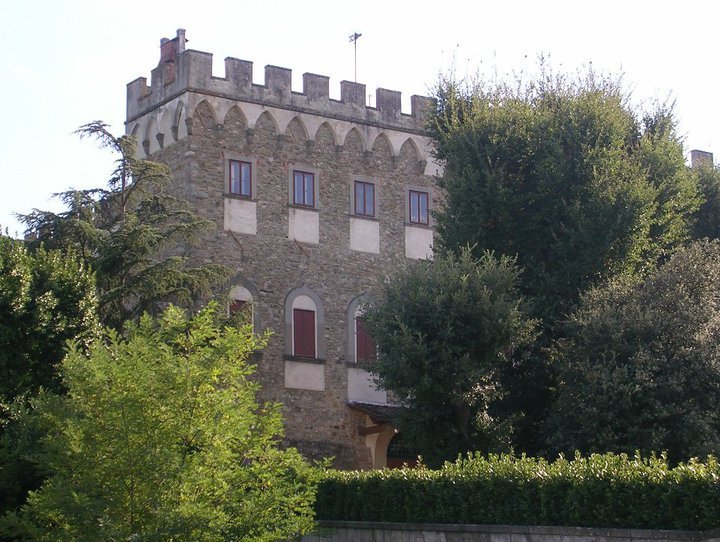
Castle of San Casciano in Val di Pesa

Photos









At a glance
- Region
- Tuscany
- Province
- Firenze (FI)
- Town
- San Casciano in Val di Pesa
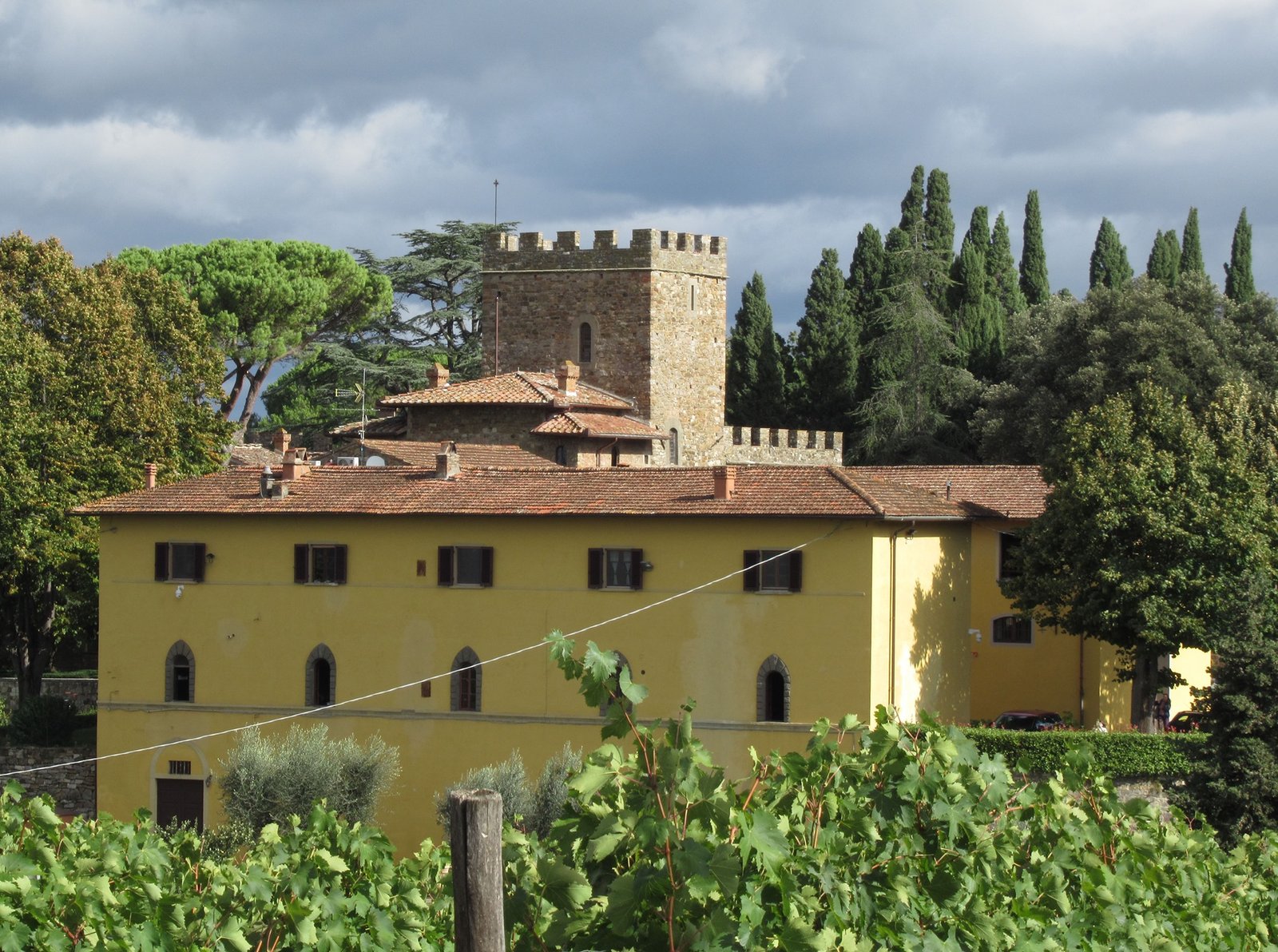
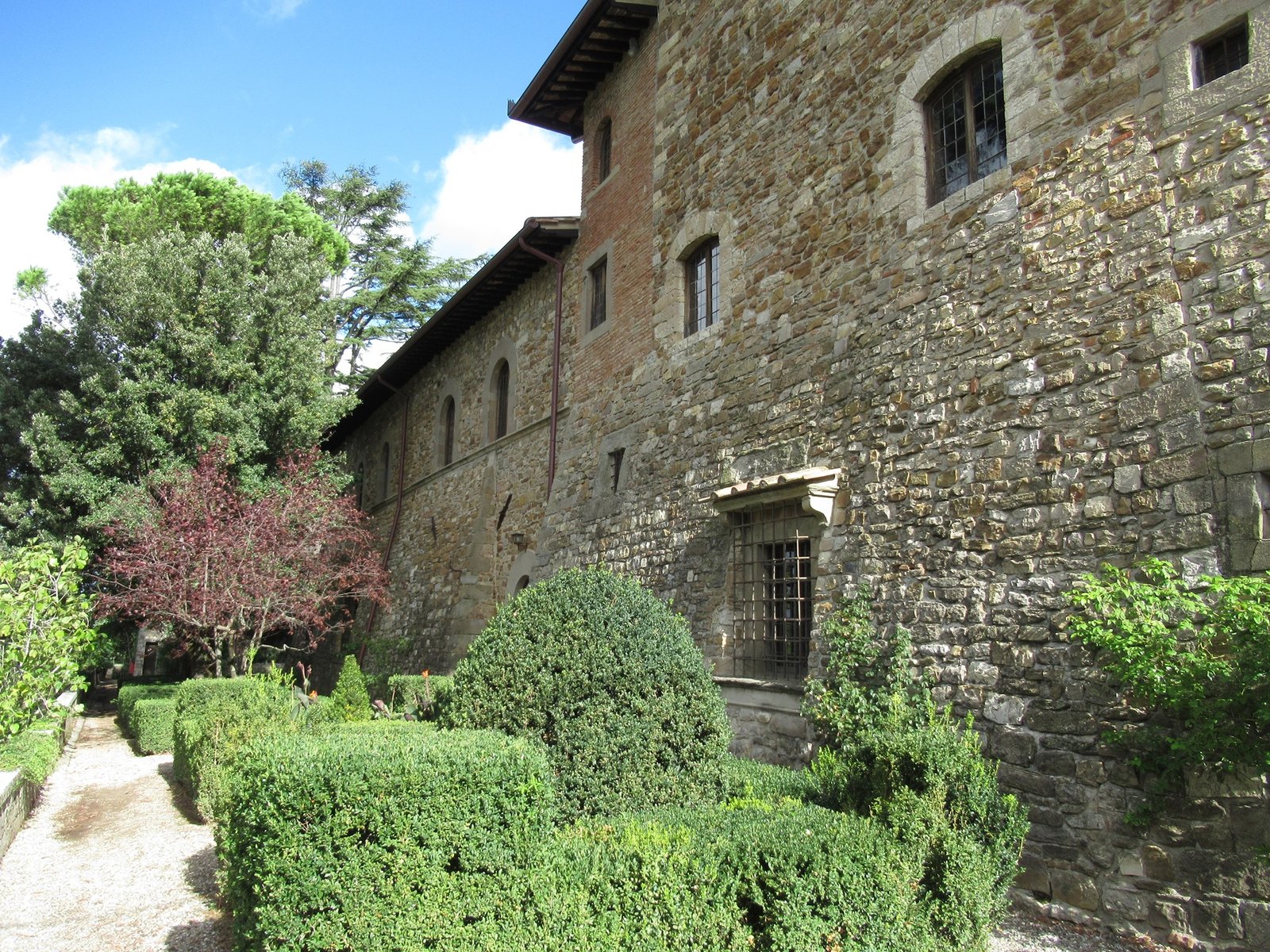
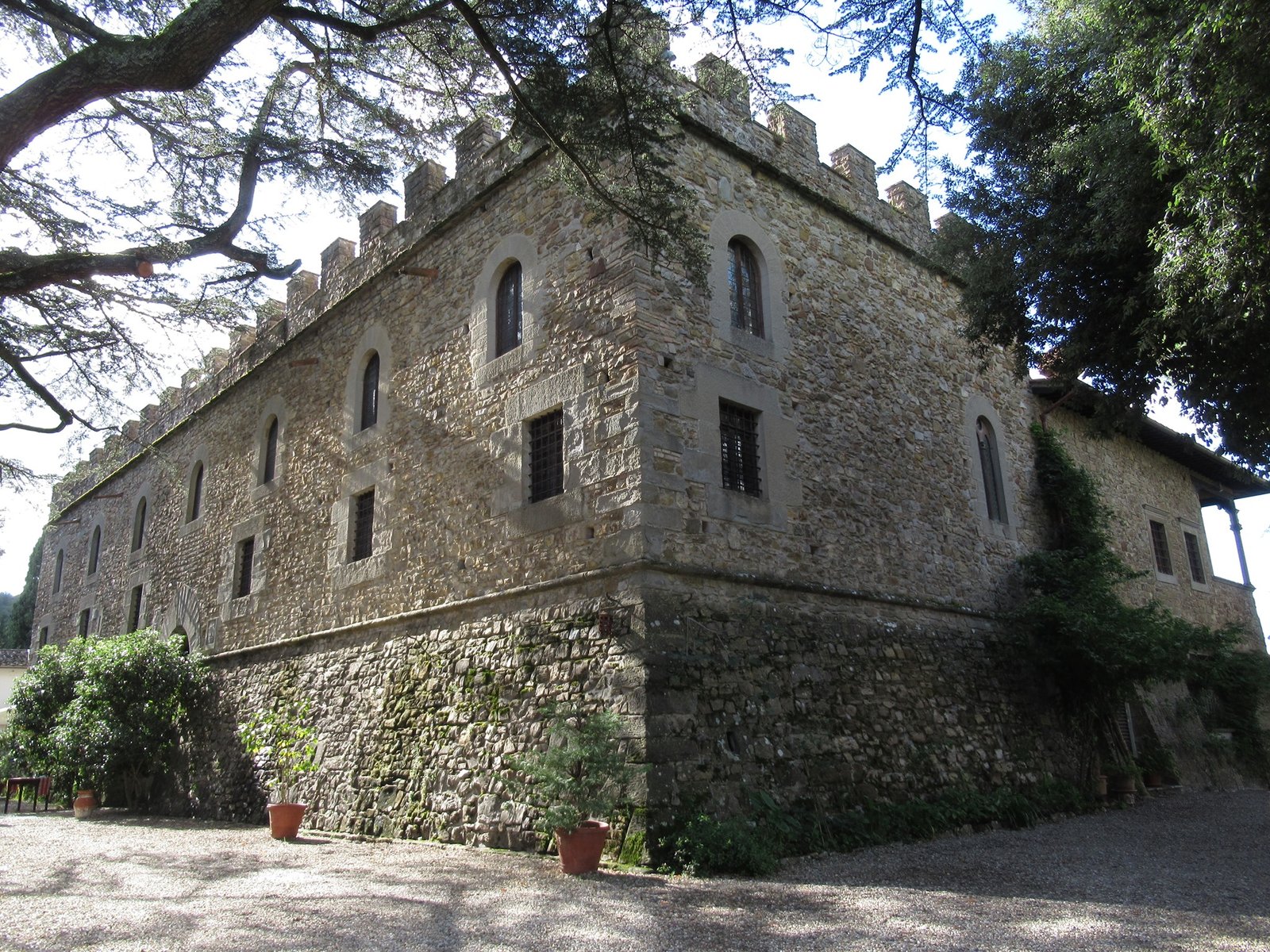
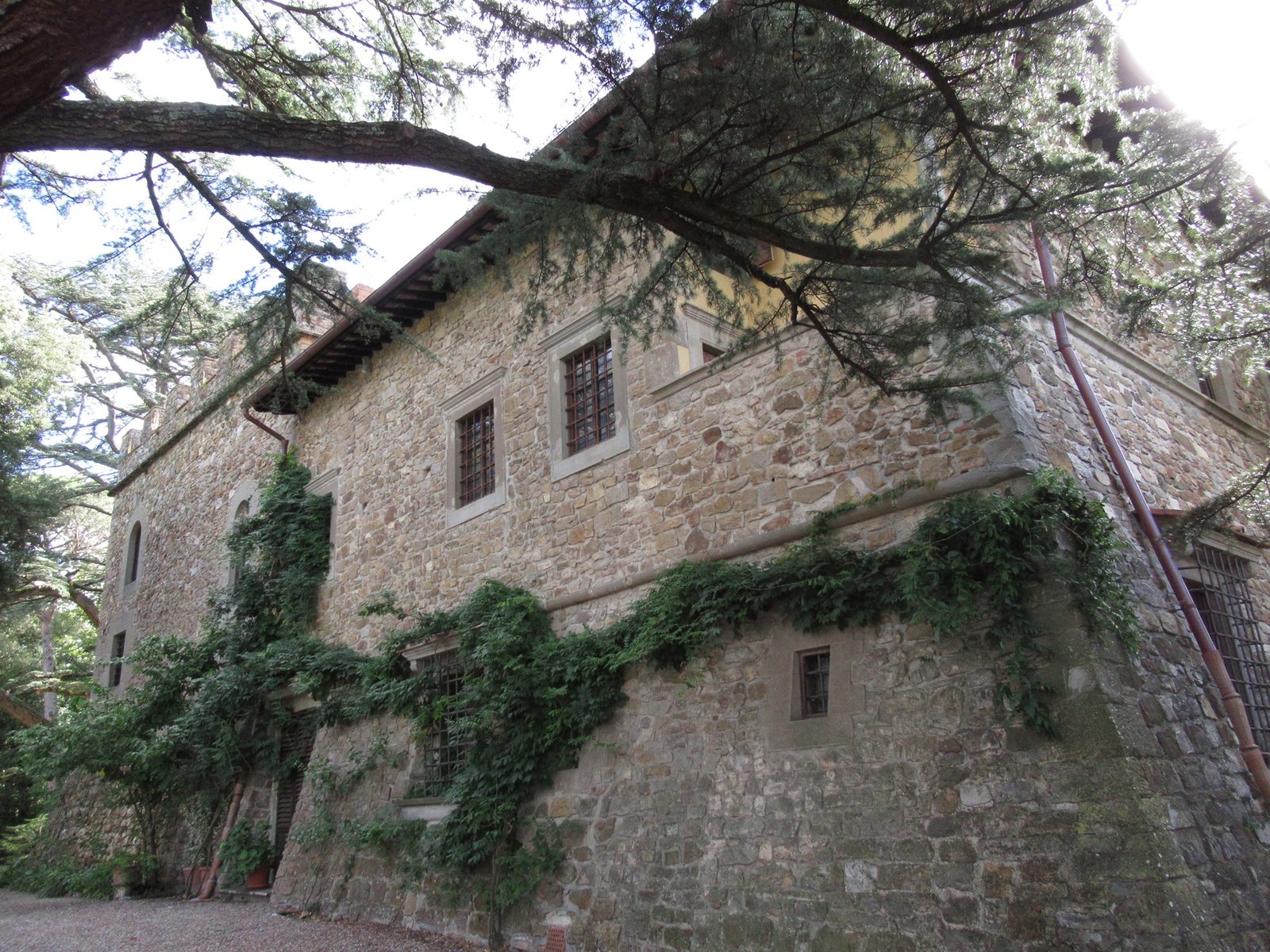
The castle of San Casciano in Val di Pesa, in the province of Florence (Tuscany), is in fact the set of fortifications that the Florentine Republic had built in the mid-14th century around the village: a circuit of walls and a cassero, parts of which still survive today. The town lies about 15 km south-west of Florence.
History of the castle of San Casciano in Val di Pesa
An undefended village
San Casciano was a fief of the bishop of Florence until 1278, when it passed to the Florentine Republic. In the first half of the 14th century it had no defences and suffered occupations and sackings: by Henry VII (1312-1313), by Castruccio Castracani (1325-1326, when it was burned) and by Fra Moriale (1343). Walter of Brienne, Duke of Athens, had planned to turn the village into a castle called «Castel Ducale», but the idea fell with his downfall.
Walls and cassero
After these events Florence decided to fortify the town in 1354. The walls, of a vaguely polygonal shape, were ready in 1355; in 1356 the cassero, the defensive palace-fortress, was added, and parts of it still exist. With the rise of the Grand Duchy of Tuscany the town lost its military function. The Allied bombing of July 1944 and German mines left the town almost destroyed, and reconstruction was slow.
The restoration of the walls
After some collapses in December 2017 the Comune signed an agreement in 2018 with the Soprintendenza for the restoration of the oldest stretches along via dei Fossi, funded with over 500,000 euros of ministerial money. The current state of the works is to be confirmed.
What to see
Of the castle there remain stretches of the 14th-century walls and parts of the cassero. In the historic centre the Museum of Sacred Art in the church of the Suffragio is worth a visit, with a Madonna by Ambrogio Lorenzetti from 1319 and the plaque of the Tomb of the Archer; the church of Santa Maria al Prato holds a crucifix attributed to Simone Martini. In the surroundings, San Casciano is linked to Niccolò Machiavelli, who from 1512 lived in exile at the Albergaccio, in Sant’Andrea in Percussina. Among the other castles of the area is the castle of Montefiridolfi.
Where it is and how to get there
San Casciano in Val di Pesa is about 15 km south-west of Florence, in the Florentine Chianti, and borders Greve in Chianti, Impruneta, Montespertoli, Scandicci and Tavarnelle Val di Pesa. The sources consulted give no information on current connections: check roads and public transport on the Comune’s website.
Practical information
Tickets and where to buy them
The walls can be seen from the outside; for the visitable parts of the cassero and any tickets there is no reliable data: to be confirmed with the Comune di San Casciano in Val di Pesa.
Opening days and hours
No official hours are known: to be confirmed with the Comune.
Where to eat
In the historic centre there are restaurants and eateries; for up-to-date addresses contact the Comune or the tourist office (to be confirmed).
Parking and services
Parking and services: to be confirmed with the Comune.
Accessibility and other information
Accessibility is not indicated by the sources: to be confirmed. The stretch of walls under restoration along via dei Fossi may have access restrictions.
Frequently asked questions
When was the castle of San Casciano in Val di Pesa built?
The walls were decided in 1354 and ready in 1355; the cassero was added in 1356.
Why did Florence fortify San Casciano?
Because the village, undefended, had been occupied or sacked several times in the first half of the 14th century.
What remains of the castle today?
Stretches of the walls and parts of the cassero remain; much was damaged by the bombing of 1944.
Opening hours, prices and services change often: before your visit, call the official number or check the castle’s website. Last checked: November 2026.
Sources: Wikipedia, San Casciano in Val di Pesa; Wikipedia (en), San Casciano in Val di Pesa; Finestre sull’Arte, restauro delle mura (2018).
How to get there
Foto: author not stated, published with permission
Source: Castelli, Rocche e Fortificazioni in Italia (Facebook)

