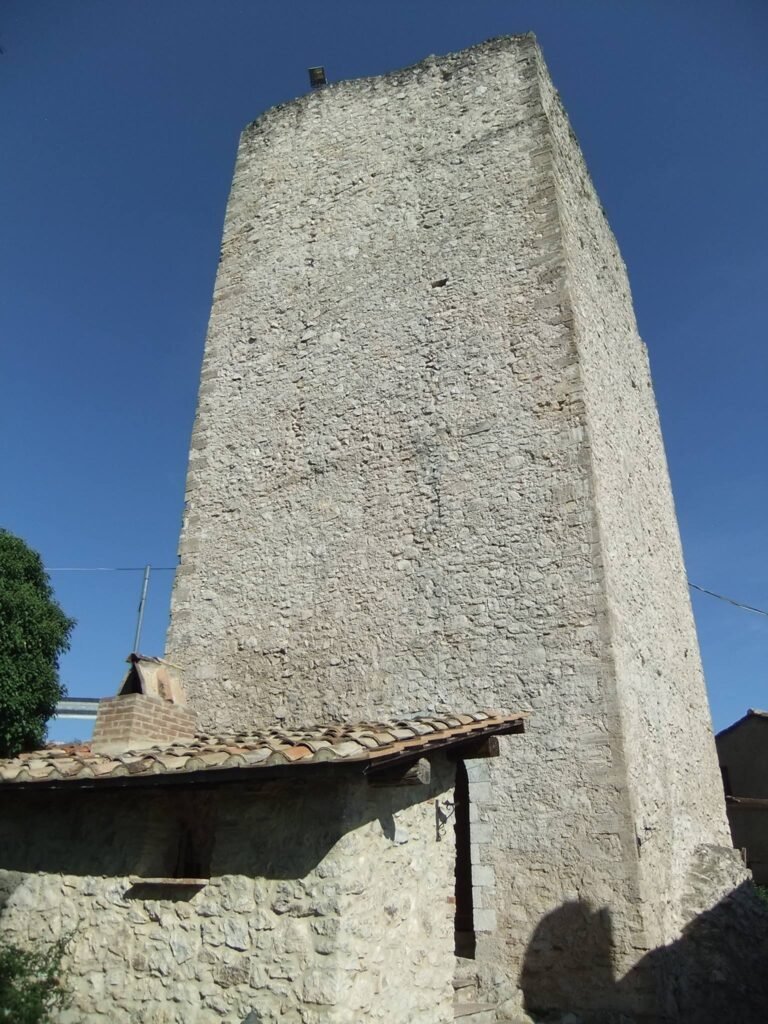
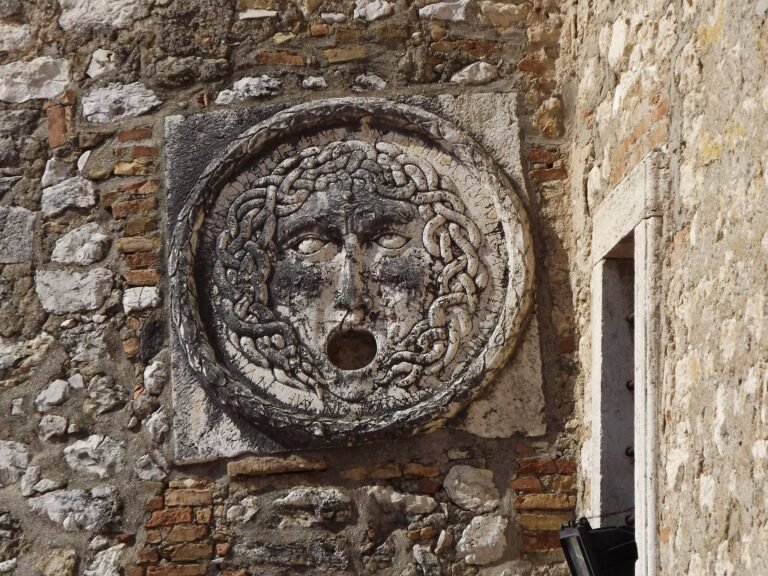
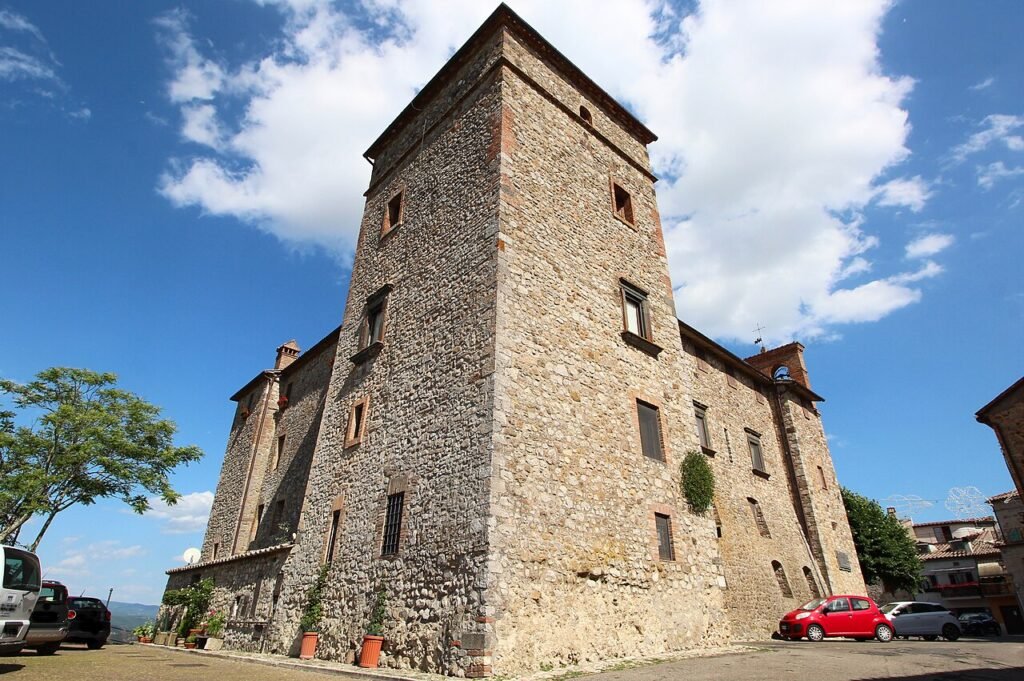
Monterubiaglio Castle
At a glance
- Region
- Umbria
- Province
- Terni (TR)
- Town
- Castel Viscardo
Monterubiaglio Castle overlooks the village, a hamlet of Castel Viscardo (Terni), in Umbria.
History
From the Monaldeschi to the Giberti-Macioti
The village is first recorded in 1262. The castle was built around the 14th century as a defensive outpost. Its first owners were the Monaldeschi della Cervara; from 1650 it passed to the Lodovisi, then to the Negroni counts and, in 1882, to the Giberti-Macioti. In 1503 the town was sacked by the bands of Cesare Borgia. In the 17th century the alchemist Giovanni Battista Negroni lived in the castle.
Layout
The village was enclosed by walls that delimited the court between the square and the small octagonal church in the locality of La Madonna. We have no more detailed description of the castle.
Where it is
Monterubiaglio lies at 340 m above sea level, about 2 km from the main town Castel Viscardo, in the Terni area, in Umbria.
Practical information
Tickets and where to buy them
To be confirmed: we found no information on tickets or entry in official sources. To find out whether a ticket is required, contact the Municipality.
Opening days and hours
To be confirmed: no opening hours are published in the official sources consulted.
Where to eat
To be confirmed: in the nearby town there are generally places to eat, but we have not verified addresses and hours.
Parking and services
To be confirmed: the sources consulted indicate no dedicated parking or services.
Accessibility and other information
To be confirmed: we have no data on accessibility for people with reduced mobility.
Opening hours, prices and services change often: before visiting, call the official number or check the castle’s website. Last checked: November 2026.
Sources: Monterubiaglio (Wikipedia).
How to get there
Directions with Google Maps Apple Maps
Hiking trails map (Waymarked Trails) Walking route
Trails: data © OpenStreetMap contributors (ODbL). Always check signs and trail conditions before setting off.
Foto: LigaDue, CC BY-SA 4.0, Wikimedia Commons