

Montalfina Castle
Photos


At a glance
- Region
- Umbria
- Province
- Terni (TR)
- Town
- Castel Giorgio
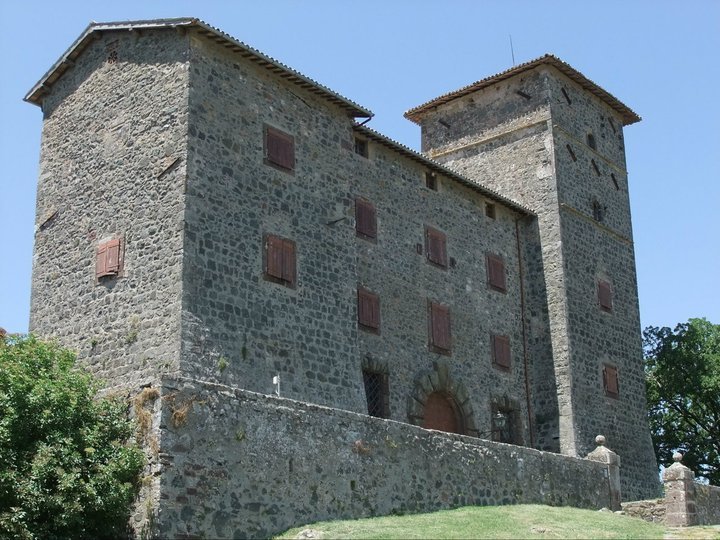
Montalfina Castle is in Castel Giorgio, in the province of Terni (Umbria), on the Alfina plateau, close to the border with Lazio. It is a fortified residence built of local red stone, with five towers, and is now privately owned.
History of Montalfina Castle (Castel Giorgio, Terni)
Origins and name
The name probably derives from the Latin “mons ad fines”, mountain on the border, recalling the defensive role of the place. According to tradition the central tower dates back to the Lombard king Desiderius (foundations between 756 and 774): this is a legend, not a documented fact. The castle is said to have been sacked by Henry, son of Barbarossa, and later raided by brigands and soldiers from Orvieto.
From the Monaldeschi to the 15th century
The rebuilding was the work of the Monaldeschi, who held the property on and off for about a century. In 1442 it was taken by Antonio Coletta, a captain in the service of Francesco Sforza.
From earthquake to residence
A strong earthquake in 1505 made it uninhabitable. At the end of the 16th century it lost its military role and became a residence. At the beginning of the 19th century it passed to the Ravizza family, who reorganised it in sober Purist style, which still defines its façade.
The castle today
According to Umbria Tourism, the current owners have restored the building and turned it into a large farm estate. Artribune reports that the castle was bought by the fashion designer Alessandro Michele, after being owned by the Valentini family, descendants of the Ravizza.
What to see
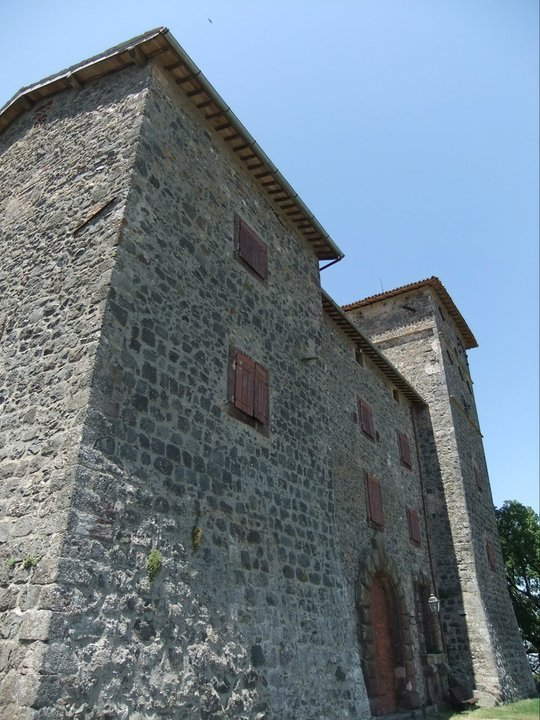
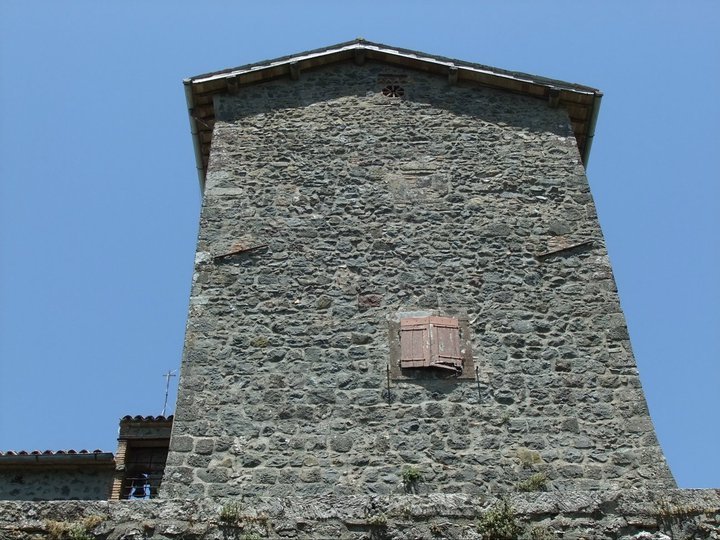
The building has a regular plan, five towers and a façade with a portal and windows framed by rusticated stonework. In the grassy area around it there are a 14th-century well, a neoclassical church and various buildings once used as storehouses, granaries, stables and servants’ quarters. The castle has been reported in the FAI “Luoghi del cuore” census.
Where it is and how to get there
The castle stands about 6 km from the centre of Castel Giorgio, at about 600 metres above sea level, near the border with the province of Viterbo. Detailed directions: to be confirmed with the Municipality of Castel Giorgio. For travel information on Umbria, see the Umbria Tourism portal.
Practical information
Tickets and where to buy them
No tickets or organised visits appear in the sources consulted, as it is private property: to be confirmed with the Municipality of Castel Giorgio.
Opening days and hours
Opening hours not given: to be confirmed. It should not be assumed to be open to the public.
Where to eat
To be confirmed. For restaurants and farm stays nearby, ask the Municipality of Castel Giorgio.
Parking and services
Information on parking and services is not available in the sources: to be confirmed.
Accessibility and other information
Accessibility not documented: to be confirmed. As it is private property, please respect the property and the Municipality’s instructions.
Frequently asked questions
Can Montalfina Castle be visited?
The sources consulted do not indicate any public opening. It is private property: information to be confirmed with the Municipality of Castel Giorgio.
What does the name Montalfina mean?
It probably derives from the Latin “mons ad fines”, mountain on the border, because of its position between Umbria and Lazio.
Why get to know Montalfina Castle in Castel Giorgio, province of Terni?
For its five-tower layout in red stone, a history running from the Monaldeschi to the Ravizza, and its border position on the Alfina plateau.
Opening hours, prices and services change often: before your visit, call the official number or check the castle’s website. Last checked: November 2026.
Sources: Umbria Tourism, Castello di Montalfina; Artribune.
How to get there
Directions with Google Maps Apple Maps
Hiking trails map (Waymarked Trails) Walking route
Trails: data © OpenStreetMap contributors (ODbL). Always check signs and trail conditions before setting off.
Foto: author not stated, published with permission

