
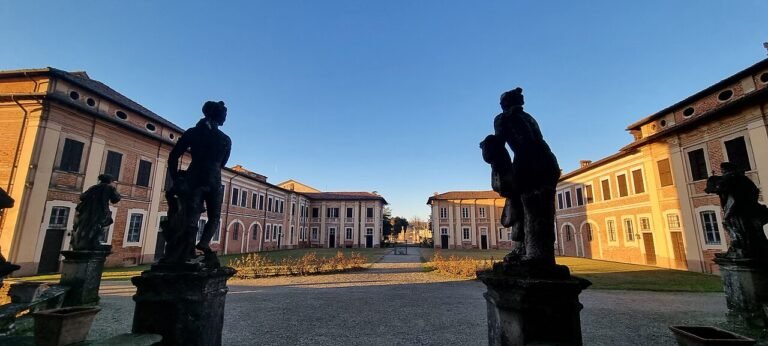
Lardirago Castle

Photos
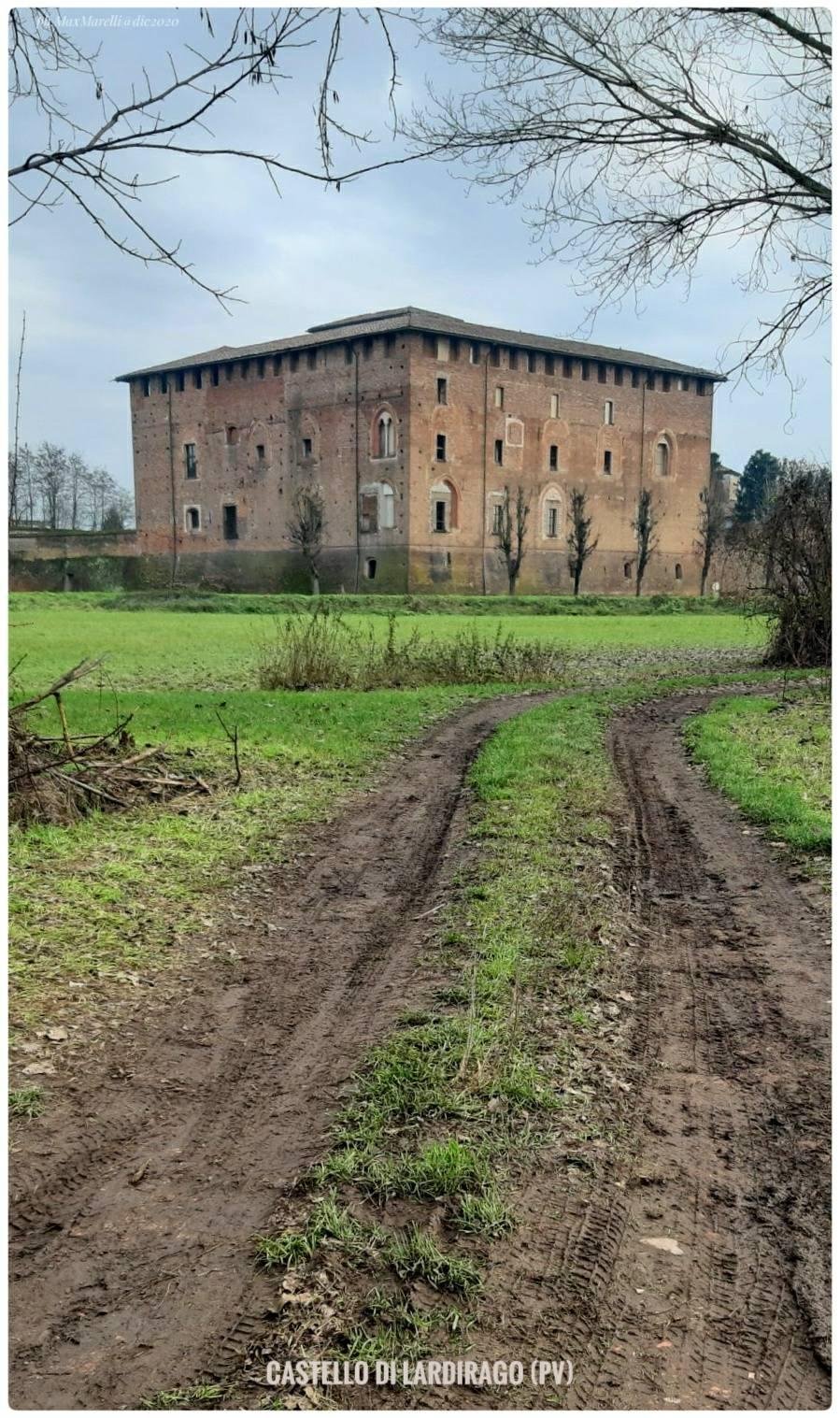

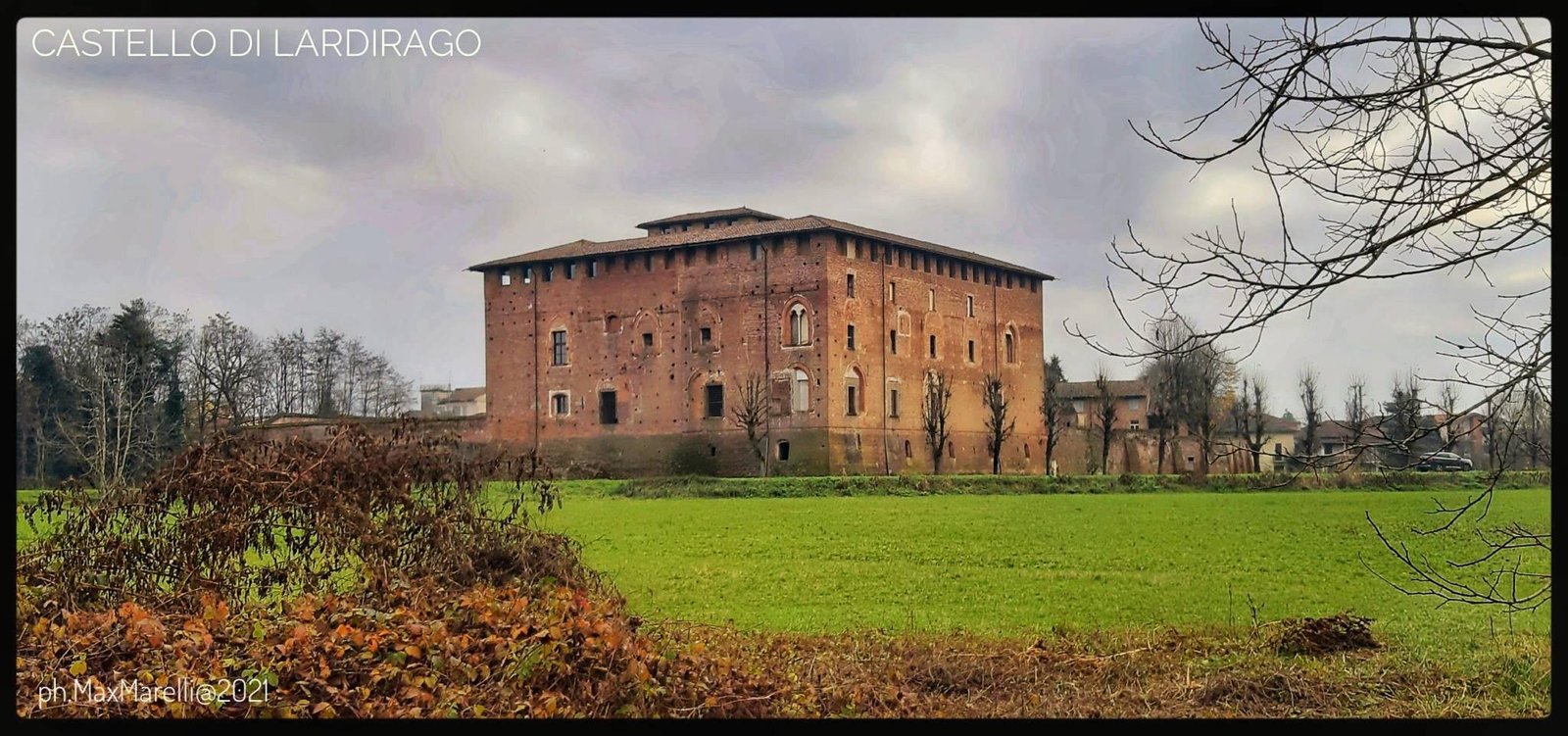
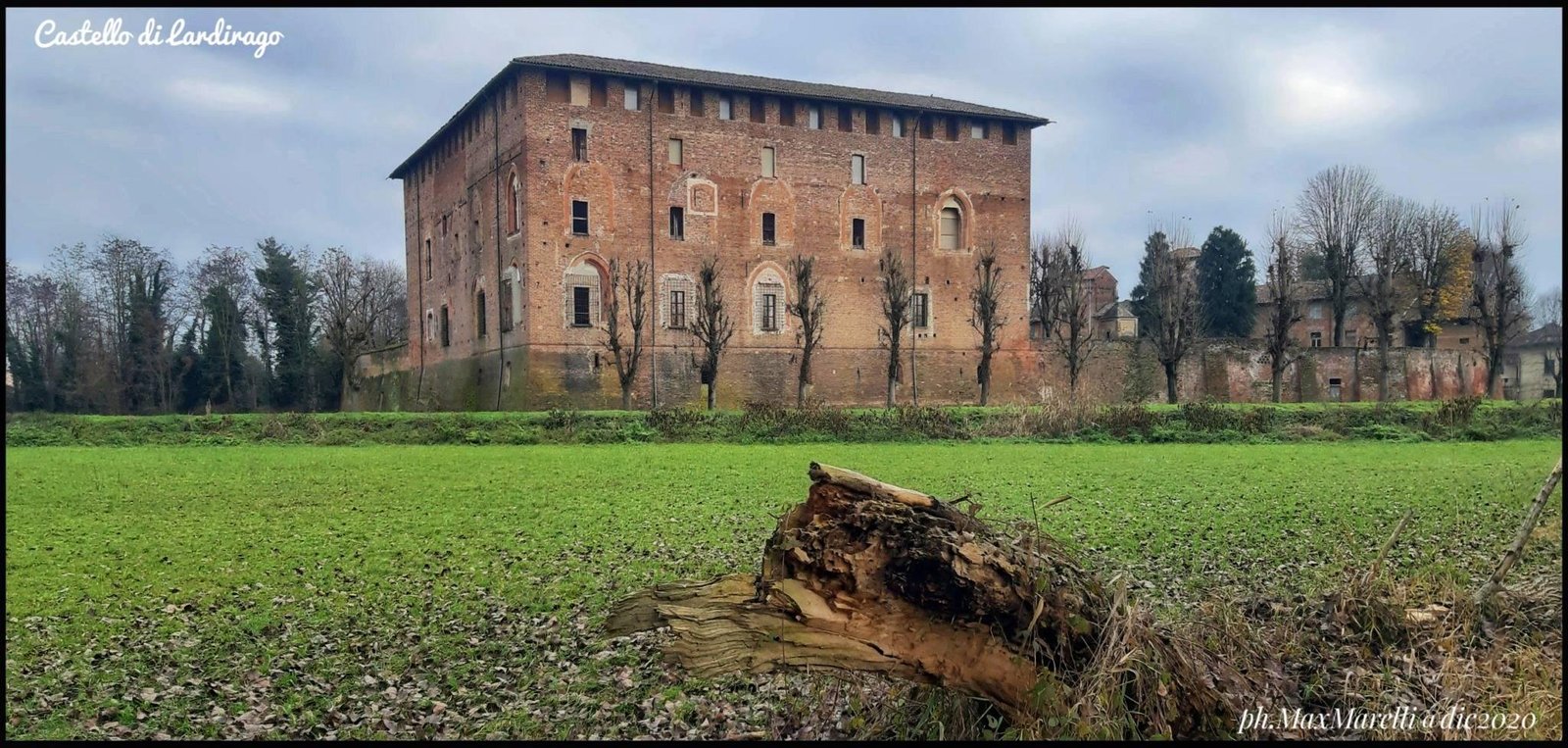

At a glance
- Region
- Lombardy
- Province
- Pavia (PV)
- Town
- Lardirago
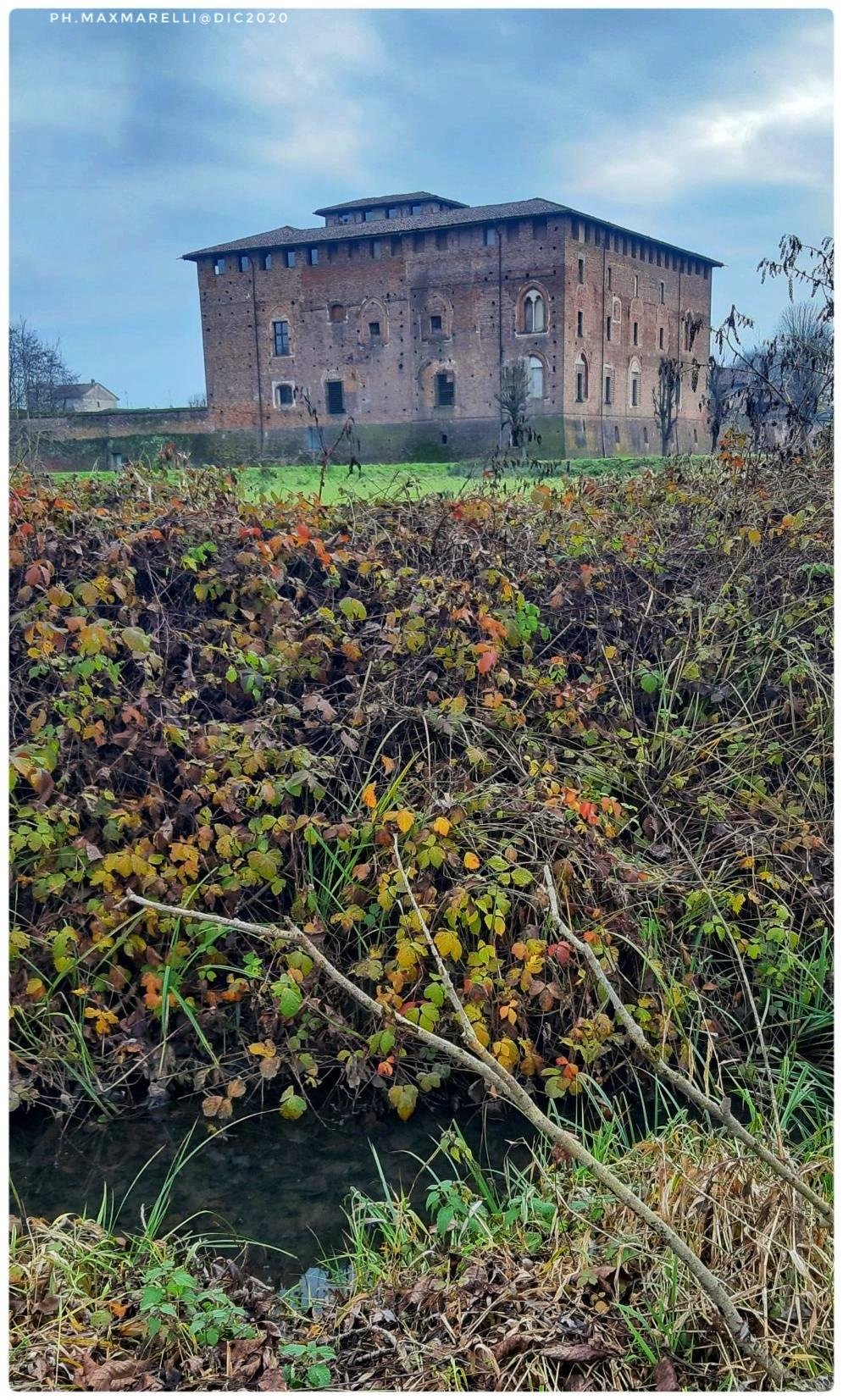
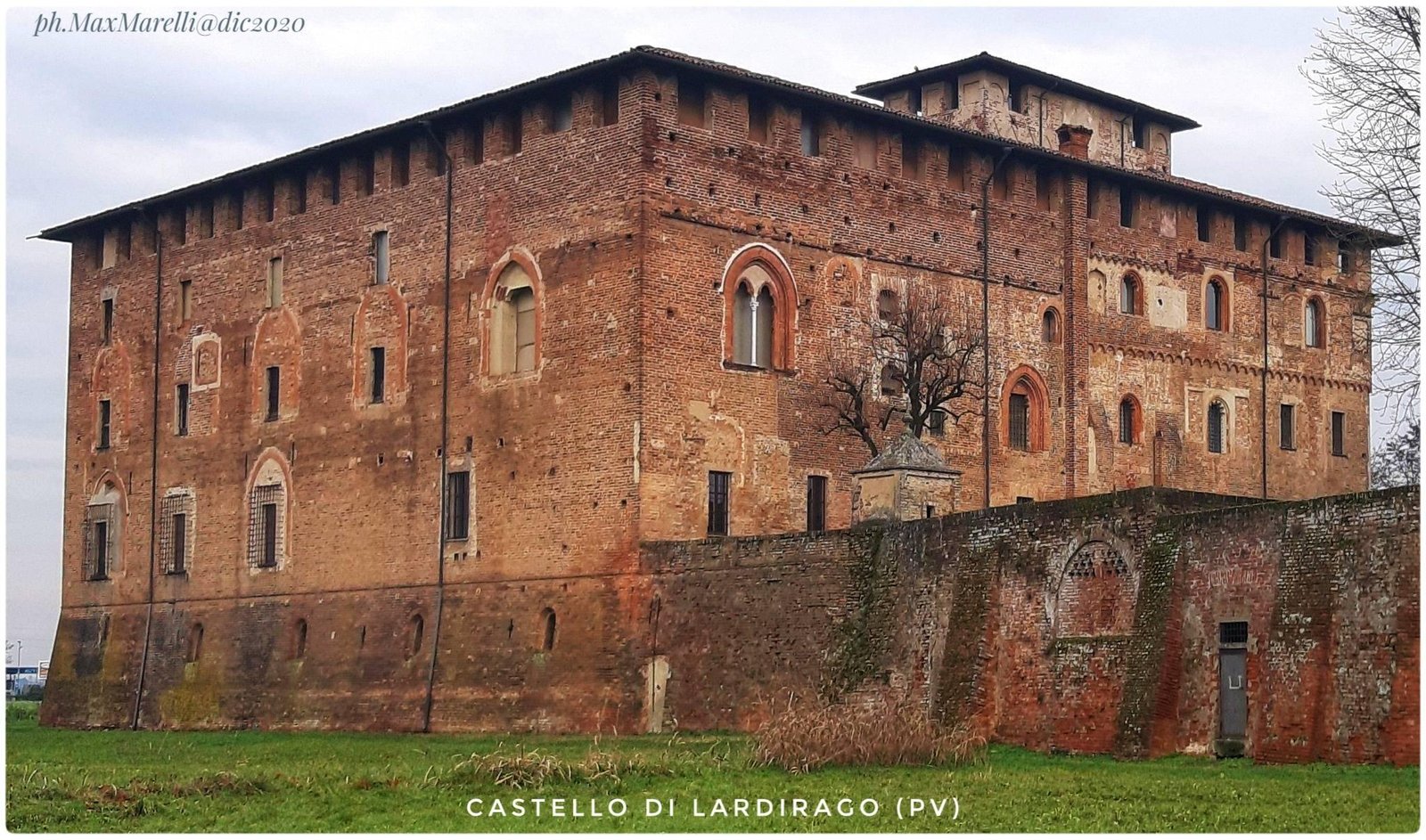
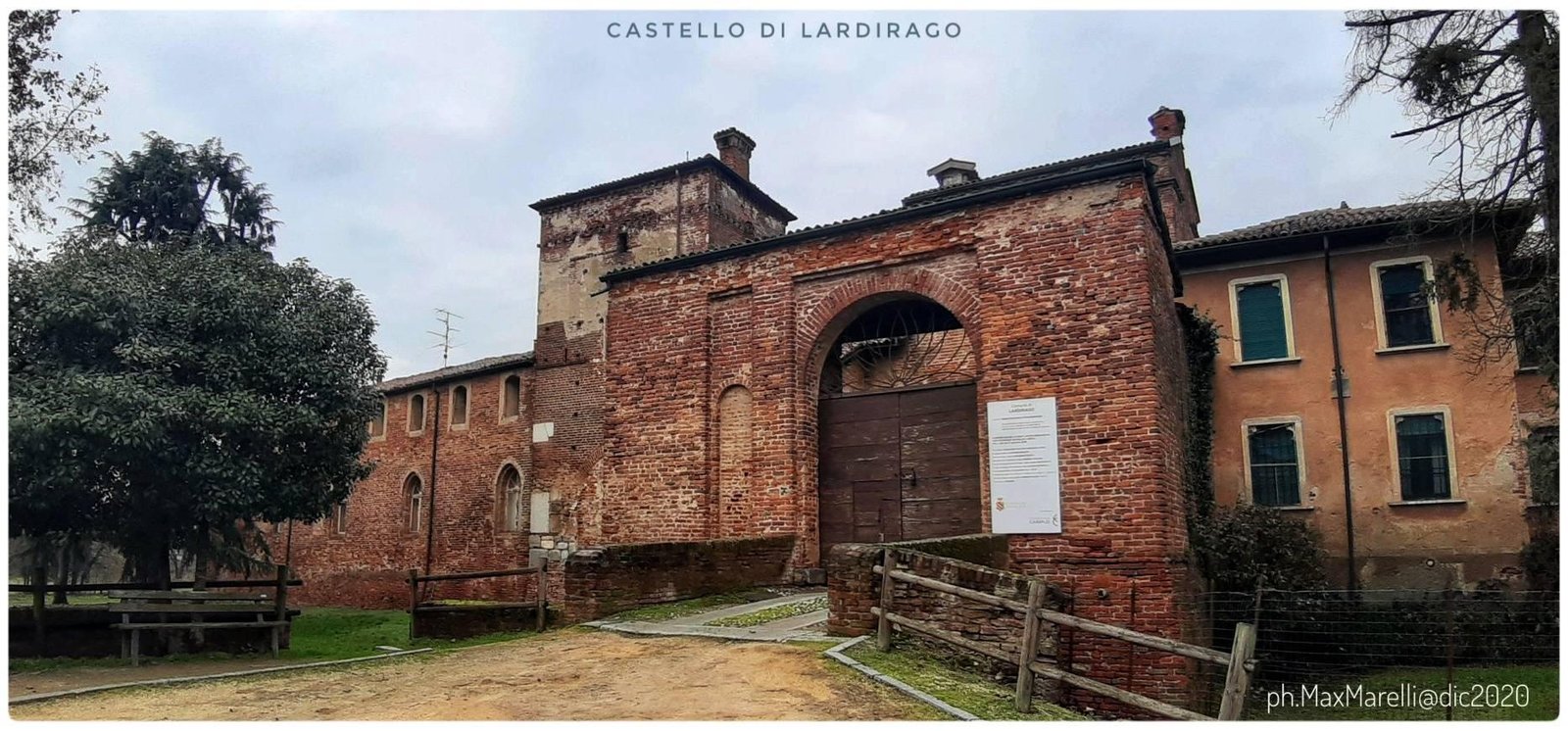
Lardirago Castle, in the province of Pavia (Lombardy), stands in the municipality of Lardirago, about 7 km north of the provincial capital, near the Pavia–Melegnano provincial road. It is a fortified complex of medieval origin, owned by the Collegio Ghislieri of Pavia and today used for cultural and conference activities.
History of Lardirago Castle
From the monastery to the Visconti
Since the end of the 10th century the settlement of Lardirago belonged to the Pavia monastery of San Pietro in Ciel d’Oro. During a restoration in 1990, late Roman or early medieval masonry and pottery came to light. The castle is first mentioned in 1254; in the first half of the 13th century an L-shaped building had already been constructed, later incorporated into the structure. In the second half of the 14th century the Visconti occupied the complex and promoted major works there; after the death of Gian Galeazzo (1402) the monks claimed their rights and regained possession around 1410.
From the 16th century to the Collegio Ghislieri
In 1512 the castle was sacked and also suffered damage during the Battle of Pavia. In 1569 Pope Pius V assigned to the Collegio Ghislieri the assets of the Mensa of San Pietro in Ciel d’Oro, including Lardirago: since then the College has been the owner. After the Second World War the complex gradually fell into disuse; around 2000 the College began the recovery of the whole complex.
What to see
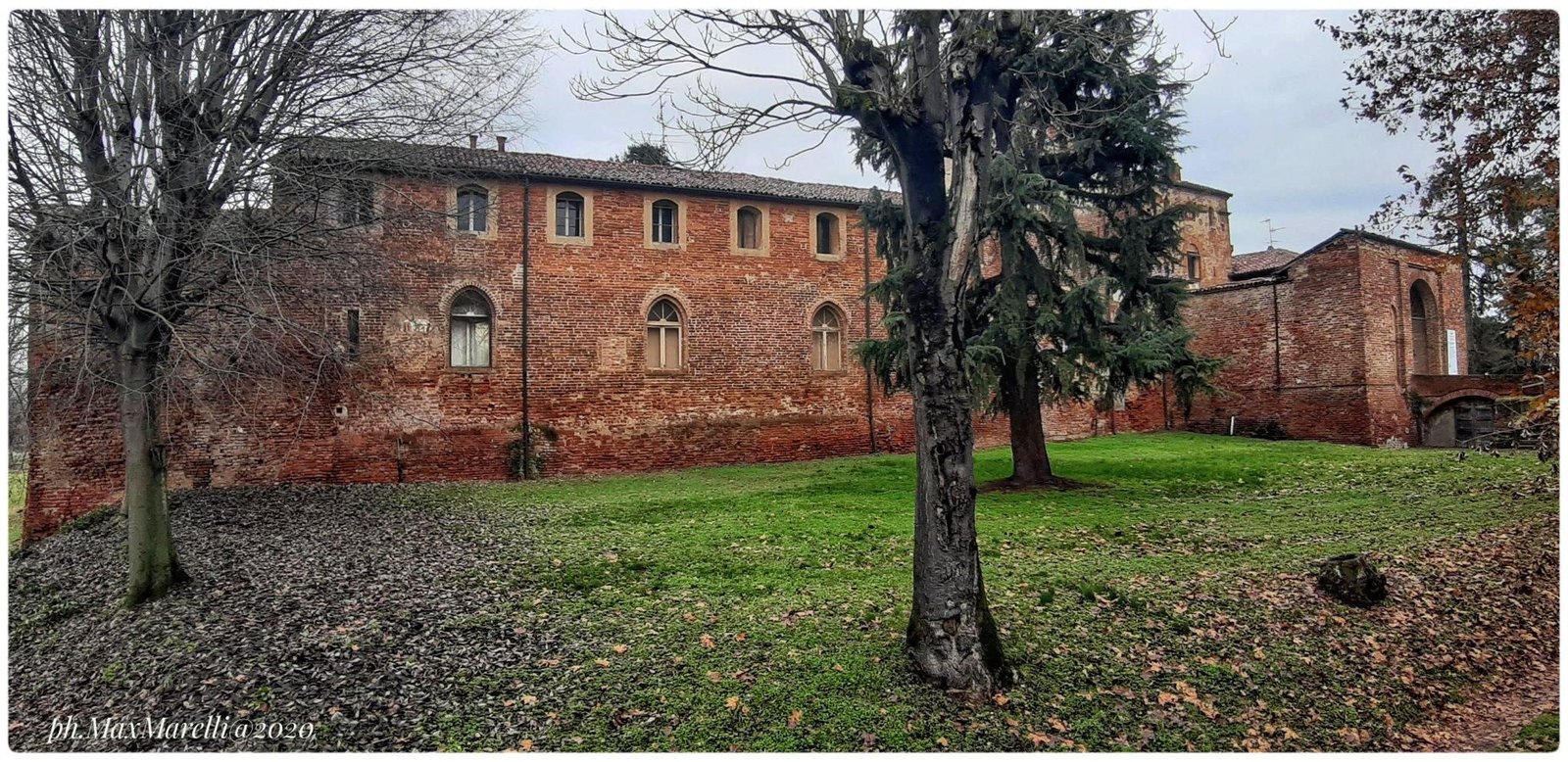
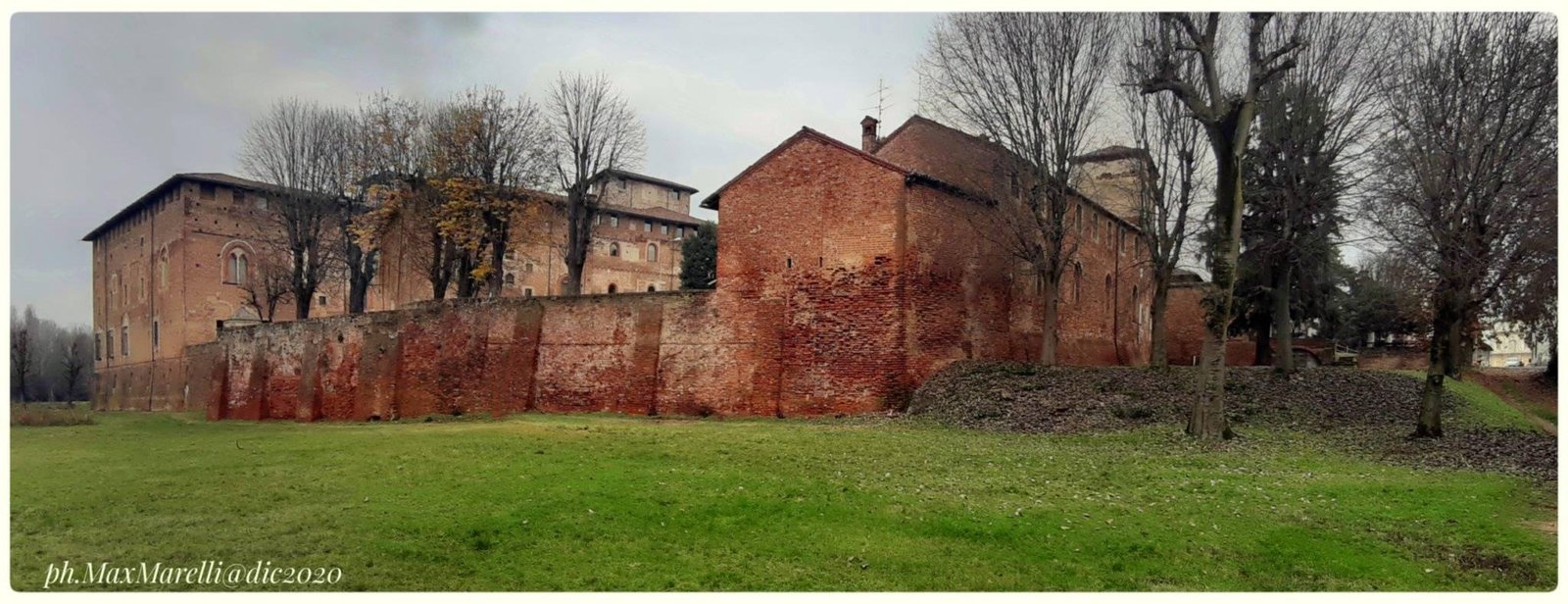
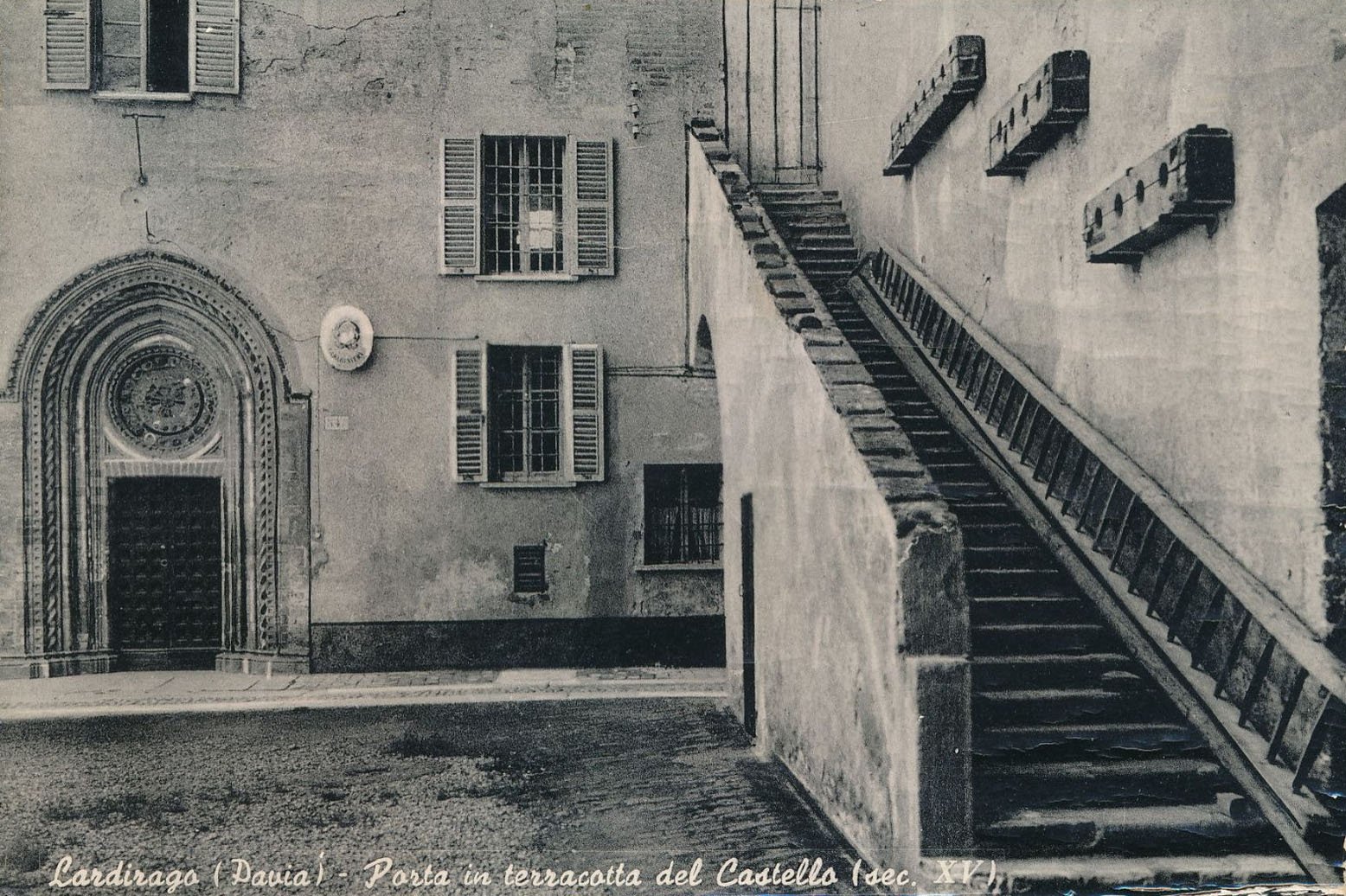
The castle has a square plan, with four wings around a rectangular courtyard, and brick masonry. The complex includes the ricetto (fortified refuge) to the south (14th century), with an access tower, and the Cortegrande farmstead to the east (16th-17th century), arranged around a large courtyard. In the east tower is the Romanesque chapel of San Gervasio (11th century), with frescoes from the 11th-12th centuries. Details noted by the sources include: the portico with pointed arches, mullioned windows from the Visconti era, frescoes of «Damsels in a garden» (early 15th century) and a helical ramp staircase that could also be ridden on horseback.
Where it is and how to get there
The castle is isolated, in a dominant position beside the Olona river, outside the built-up area of Lardirago. The sources consulted do not give a precise address or public transport connections: to be confirmed with the Municipality or the Collegio Ghislieri.
Practical information
Tickets and where to buy them
To be confirmed: the sources do not report tickets or visiting arrangements. Contact the Collegio Ghislieri or the Municipality of Lardirago.
Opening days and hours
To be confirmed. The complex hosts conferences, seminars, courses and concerts, so access may depend on scheduled events.
Where to eat
To be confirmed: no source consulted lists refreshment points. Ask the Municipality.
Parking and services
To be confirmed. The College’s project plans the ricetto as guest quarters and the Cortegrande farmstead for reception and common spaces.
Accessibility and other information
To be confirmed with the owning body. The state of conservation is described as fair in the regional record.
Frequently asked questions
Who owns the castle?
The Collegio Ghislieri of Pavia, since 1569, when Pope Pius V assigned Lardirago to it.
What is it used for today?
It hosts conferences, seminars, training courses, concerts and other cultural events.
Can Lardirago Castle, in the province of Pavia, be visited?
The sources do not indicate regular visits: to be confirmed with the Collegio Ghislieri or the Municipality before leaving.
Opening hours, prices and services change often: before your visit, call the official number or check the castle’s website. Last checked: November 2026.
Sources: Wikipedia; Collegio Ghislieri; Lombardia Beni Culturali.
How to get there
Directions with Google Maps Apple Maps
Hiking trails map (Waymarked Trails) Walking route
Trails: data © OpenStreetMap contributors (ODbL). Always check signs and trail conditions before setting off.
Foto: author not stated, published with permission

