Rametz Castle

Photos


At a glance
- Region
- Trentino-South Tyrol
- Province
- Bolzano (BZ)
- Town
- Merano
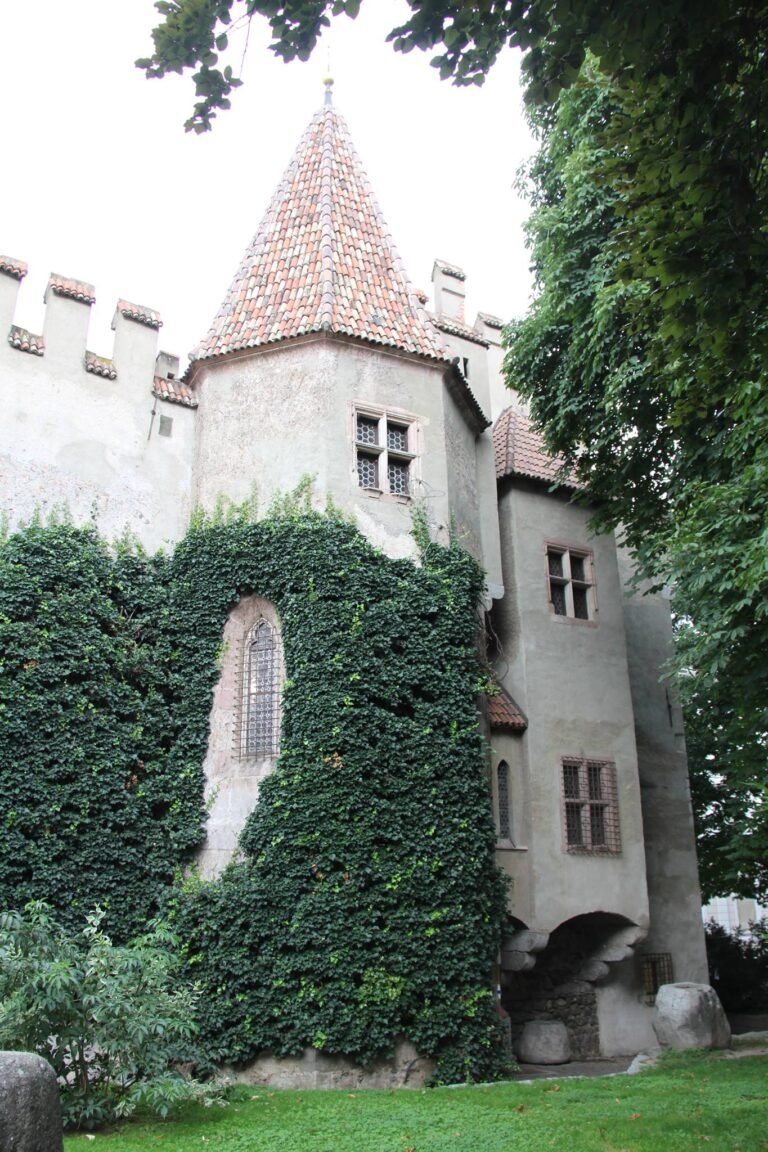
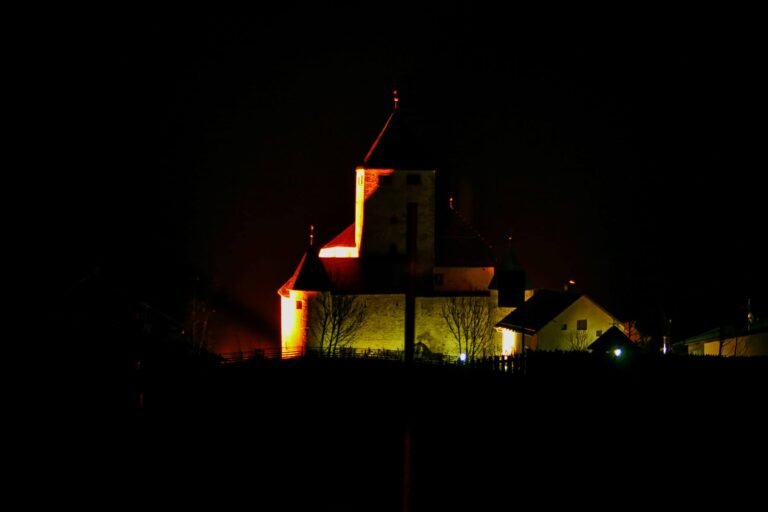
Rametz Castle (Castel Rametz, Schloss Rametz) stands on a moraine hill in the Maia Alta district, in Merano, in the province of Bolzano (South Tyrol, Trentino-Alto Adige). Surrounded by vineyards, it is today a wine estate that also houses a viticulture museum. The historic centre of Merano is about 2 km away.
History of Rametz Castle
The medieval origins
The sources do not fully agree on the dates. The South Tyrolean tourist portal traces the castle’s history back to 1227, while Wikipedia gives 1269 as the first written mention. The name comes from the Rametz family, who owned it in the 14th and 15th centuries. Various owners followed, including Aichner, Quaranta, Planta, Travers and Parravicini.
From the 19th century to today
In 1836 the castle was bought by Francesco Flarer, professor at the University of Pavia. After him his son-in-law Agostino Depretis, who made it his home, wanted a thorough restoration: the turrets and Ghibelline-style battlements that characterise its look date to that time. According to the tourist portal, the first Pinot Noir vine in South Tyrol was planted here in 1860. During the Second World War it was requisitioned by German troops; in 1954 the Austrian writer Fritz von Herzmanovsky-Orlando died there. In the golden age of Merano as a spa town, illustrious guests stayed there, including Duke Albert of Saxony, Prince Alexander of Serbia and Empress Elisabeth (Sissi). Today it belongs to the Schmid family, who cultivate about 10 hectares of vines with the traditional pergola system.
What to see
The wine museum
On the ground floor and in the cellars, since 1980, is the Viticulture Museum: it illustrates work in the vineyard, protection against disease and the transport of grapes and wine. The rest of the manor, used as a residence, is not normally open to visitors.
Vineyards and wine shop
Around the castle grow, among others, Riesling, Cabernet Franc and Cabernet Sauvignon. In the shop you find wines, sparkling wines, grappas and liqueurs from the estate and typical products such as speck and Schüttelbrot.
Where it is and how to get there
The address is Via Labers 4, 39012 Merano (Maia Alta). The castle can be reached from the centre of Merano in about 2 km; for public transport connections: to be confirmed.
Practical information
Tickets and where to buy them
Museum: 9 euros for adults and for young people aged 17-18; free up to 16 years. The guided visit with tasting costs 35 euros per person and must be booked. Where to buy: to be confirmed, but the official contacts are below.
Opening days and hours
From 16 November 2026 to 28 February 2027: Tuesday-Saturday 10-18, closed Sunday and Monday. From 1 March to 1 June 2027: Monday-Saturday 10-18, closed Sunday. Closed on 24, 25, 26 and 31 December 2026. The source has dates that are not entirely consistent: confirm before going.
Where to eat
The official source reports a restaurant in the castle, without giving hours or menu: to be confirmed.
Parking and services
A car park is indicated (details to be confirmed). The museum and sale of the estate’s products are available.
Accessibility and other information
Accessibility: to be confirmed. Telephone +39 0473 211011, email info@rametz.com, website www.rametz.com.
Frequently asked questions
Can Rametz Castle be visited?
The wine museum can be visited; the rest is not normally open. Guided tastings must be booked.
How much does the museum cost?
9 euros for adults, free up to 16 years.
Where is it?
In Maia Alta, in the municipality of Merano (Bolzano), at Via Labers 4.
Opening hours, prices and services change often: before your visit, call the official number or check the castle’s website. Last checked: November 2026.
Sources: Alto Adige – Castel Rametz, Wikipedia, Merano Südtirol
How to get there
Directions with Google Maps Apple Maps
Hiking trails map (Waymarked Trails) Walking route
Trails: data © OpenStreetMap contributors (ODbL). Always check signs and trail conditions before setting off.
Foto: author not stated, published with permission